Symbolism and Stanislavsky
According to the Merriam Webster dictionary, Symbolism is defined as- the art or practice of using symbols especially by investing things with a symbolic meaning or by expressing the invisible or intangible by means...


by Abhinav Sharma · Published 31 January 2022 · Last modified 18 February 2022
According to the Merriam Webster dictionary, Symbolism is defined as- the art or practice of using symbols especially by investing things with a symbolic meaning or by expressing the invisible or intangible by means...
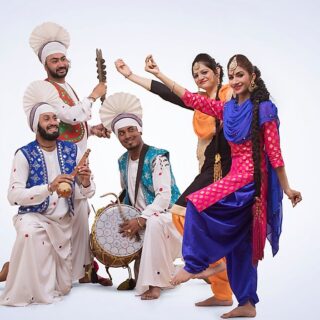
Bhangra is a fusion of numerous folk dances spread throughout the geography of Punjab. These dances include Jhummar, which has a 16-beat dhol cycle, from Jhang-Sial, Sialkoti from Sialkot, Sammi etc. With the flow of time, a uniform bhangra routine formulated with the local dance forms being specific sections in routine.
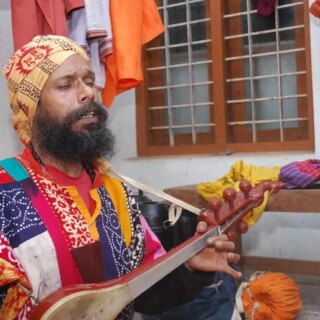
There is an inherent contrast in the composition of the Baul music, it describes and celebrates the celestial in a very earthly tone and manner. Due to this very liberal and open-ended interpretation of love, it is within the nature of the Baul music to be devotional in its spirit and soul.

Folk / Performing Arts / Theatre
by Abhinav Sharma · Published 14 December 2021 · Last modified 5 May 2024
The history of Ankiya Naat goes way back into medieval times. It is widely believed that saint and social reformer Srimata Sankardeva was the brain behind these beautiful and intricate one-act plays.
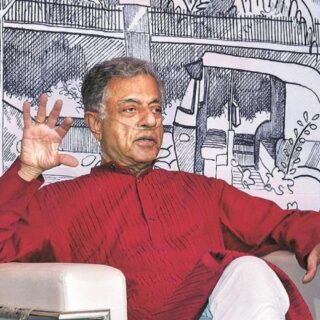
He became a film actor and give a resounding performance as the school master driven mad by the kidnapping of his beautiful wife by the lustful brothers of the local Zamindar. He also gave a fine account of himself in Swami directed by Basu Chatterjee. He appeared as an actor in films and Television, not only because he could test himself in another medium but also to buy the freedom to pursue his activities in the Theatre, namely writing plays.
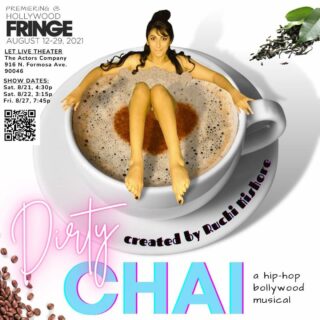
Chai is a messy concoction of two very different cultures, two conflicting identities, and two opposing desires, just like the dirty chai she orders each morning- a perfect brew of espresso and chai (tea).
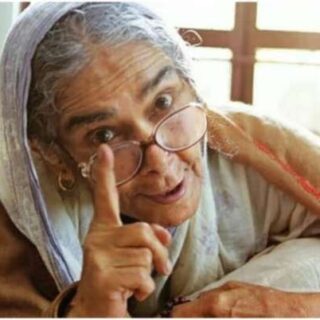
As a fitting tribute to the great performer she was we will listen to her mellifluous recitations of Hindi and Urdu Poetry. But before that, here are some of the tributes which poured in on social media and otherwise from her millions of admirers, and eminent people whom she knew, including actors and directors from film, television and theatre.
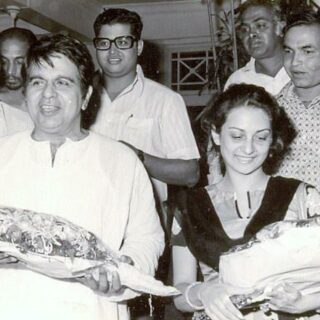
Dilip Kumar used to speak Marathi fluently. He had seen many popular Marathi Sangeet Natak’s. Sometime at his home he will take out harmonium and sing old Marathi theatre song made popular by Bal Gandharva. Dilip Kumarji and Saira ji used to visit Pune during weekends
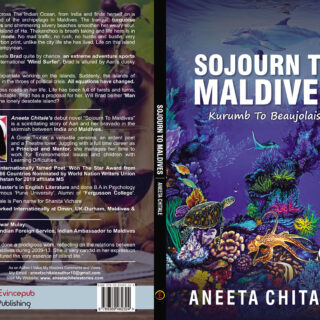
The turbulent times between the years spanning from 2008 to 2014 is presented on the canvas. The relations between the two countries were totally raptured in this era. The entire plethora of Indian nationals and foreigners had gone berserk. I had to study it in detail and follow it consistently.
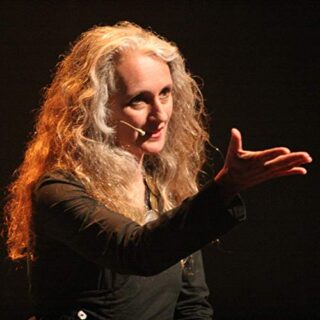
Ruth is best known for her pioneering work integrating sacred texts into contemporary voice/body theatre. Her pioneering approach to the transcendental aspect of voice is founded solidly in sacred cantorial Jewish traditions. In Mirror Sky in a backdrop of dimly lit scenes Ruth, swirling, moaning, producing gutrral sound explains the origin of her techniques:
Art / Dance / Events / Folk / Music / Performing Arts / Poetry / Poetry / Theatre
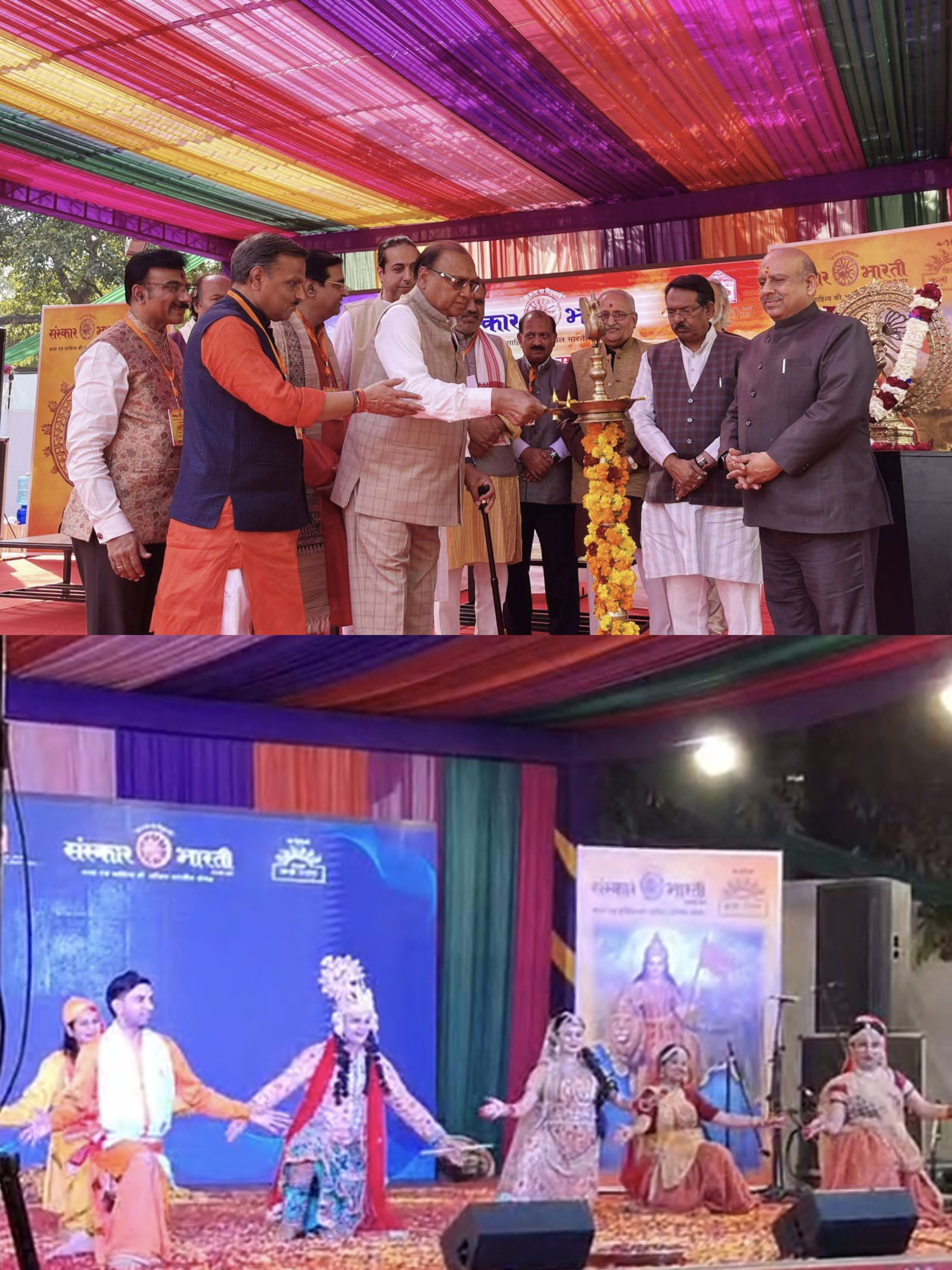
Delhi Kala Utsav 2026 – A Grand Confluence of Culture, Creativity and National Spirit
2 March 2026

Art / Our Plays / Performing Arts / Play / Theatre
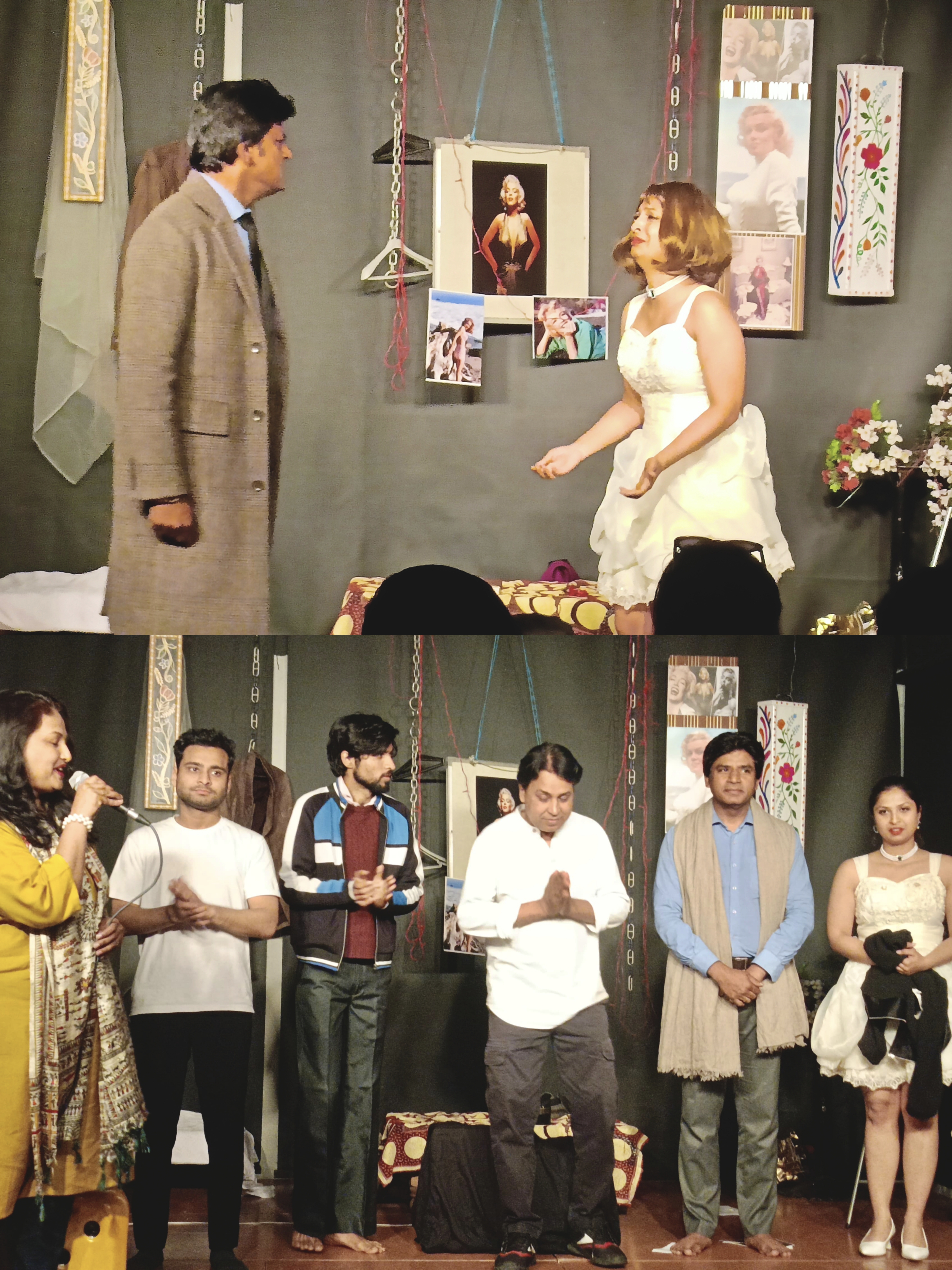
Chuhedani Staged at the 23rd Natsamrat Natya Utsav
2 March 2026

More
Editor-in-chief
Manohar Khushalani
Brief Profile
Actor/Director Profile
Environment Profile
Arts Analyst
Archana Hebbar Colquhoun
Columnists
Krishan Tyagi
Anisha S. Mukherji
B.B. Nagpal
Divya Raina
Archana Hebbar Colquhoun
Anil Goel
Dr. R. Nagaswamy
Gouri Nilakantan
Sezal Chugh
Jai Chandiram
Joya John
K.B. Khushalani
Keval Arora
Krishan Tyagi
Laxmi Shanker Bajpai
Naveen Gupta
Prateeksha Sharma
Preminder Singh
Ravindra Tripathy
Seema Bawa
Sharon Moist
Sonal Parmar
Ute Margaret
Victor Vijay Kumar
Contributors
A.K. Chopra
Akbar Wali Khan
Alessandro Pinto
Alessio Zanelli
Antonio Blunda
B.B. Nagpal
Chetan Pandit
Dr. Anu Aneja
Dr. Bharat Gupta
Dr. Himadri Roy
Mrs. Neelam Jain
Dr. Ravi Bhatia
Dr.Reshma
Gayatri Keswani
Geeta Chandran
HS. Shivaprakash
Iffat Fatima
Indah Widiastuti
Kunal Puri
Lola Chatterji
Manish Vidhani
Margaret Saine
Malyan Pereira
Moanaro Ao
Neville Tuli
Ojaswini Trivedi
Paromita Vohra
PhotoSwami
Piyali Dasgupta
Rachna Seth
Radha Rayasam
Savita Singh
Sandra Fowler
Sushmita Mukherjee
Sharon Lowen
Shikha Jhingan
Sonnet Mondal
Sukrita Paul Kumar
Suryakanthi Tripathi
Tarini Sridharan
Vijay K. Sharma
Pallavi Mishra