आपदा-काल में भास का सहारा
‘आपदा को अवसर में बदलना’ – आजकल यह उक्ति प्रायः सुनने को मिल जाती है. आज के समय की जीवित स्मृति में सबसे बड़ी आपदा रही करोना. सब लोग अपने-अपने घरों के अन्दर बन्द...



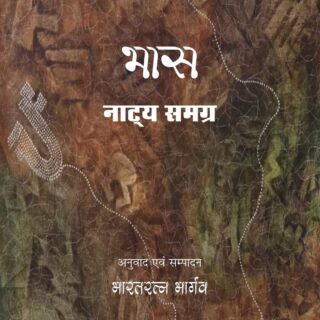
‘आपदा को अवसर में बदलना’ – आजकल यह उक्ति प्रायः सुनने को मिल जाती है. आज के समय की जीवित स्मृति में सबसे बड़ी आपदा रही करोना. सब लोग अपने-अपने घरों के अन्दर बन्द...
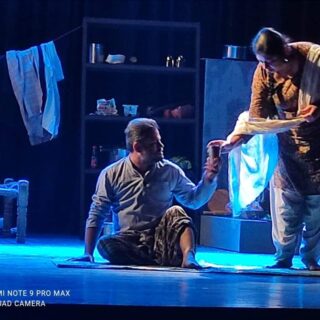
गली दुल्हन वाली टिप्पणी — अनिल गोयल दिल्ली की रामलीला से अपने अभिनय-जीवन का प्रारम्भ करने वाले सुभाष गुप्ता 1975 में ‘नाटक पोलमपुर का’ में समरू जाट की भूमिका से ‘अभियान’ रंगसमूह से जुड़े....
मन के भँवर— अनिल गोयल हिन्दी में नाटकों की कमी का रोना रोते रहना हमारे रंगकर्मियों का प्रिय व्यसन है, जबकि हजारों नाटक हिन्दी में लिखे गये हैं. लगभग पाँच दशक पूर्व लिखी गई...
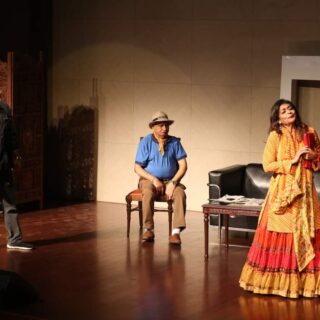
मिस्टर राईट— अनिल गोयल समुद्र-मन्थन के समय देवताओं और दानवों के बीच हुए संघर्ष के समय से ही अच्छे और बुरे के बीच के द्वंद्व को विभिन्न तरीकों से दिखाया जाता रहा है. राम...
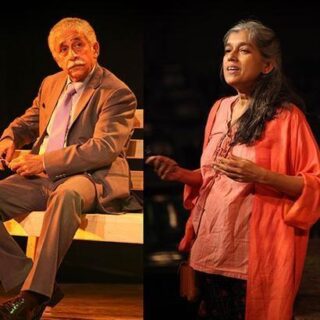
Beastly Tales : Animal and Human Fables A review by Manohar Khushalani READINGS: Beastly TalesPoems by Vikram Seth with Stories by James ThurberPresented by MotleyRecitations by Naseeruddin Shah;Ratna Pathak Shah; Heeba Shah; and Kenny...

Renowned Theatre Personalities of the country were honoured by Natsamrat. Like every year, this year also the 15th Natsamrat Theatre Award was organized, in which 12 theatre artists of the country were honoured by...
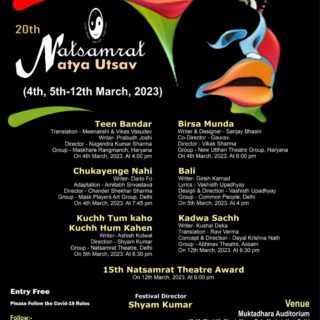
Keeping up with it’s two decades old tradition, the 20th Natsamrat Natya Utsav is going to be inaugurated this weekend Natsamrat is going to organize 20th Natsamrat Natya Utsav which will be held on...
In the middle of LINTON road, a rickshaw comes and stops in front of the woman. She intends to hire it for going to a destination. The rickshaw driver looks at her and assents...

समीक्षक — अनिल गोयल हिन्दी में मूल नाटकों के अभाव की बात सदैव से कही जाती रही है. ऐसे में किसी नये नाटक का आना अवश्य ही स्वागत-योग्य कहा जायेगा! ‘जयवर्धन’ के नाम से...

लेखक: अनिल गोयल महरषि वाल्मीकि की रामायण ने पिछले लगभग सात-आठ हजार वर्षों में कितने ही रूप धारे हैं. हर काल में वाल्मीकि–रचित इस महाकाव्य को हर कोई अपने तरीके से सुनाता चला आया...



More
Editor-in-chief
Manohar Khushalani
Brief Profile
Actor/Director Profile
Environment Profile
Arts Analyst
Archana Hebbar Colquhoun
Columnists
Krishan Tyagi
Anisha S. Mukherji
B.B. Nagpal
Divya Raina
Archana Hebbar Colquhoun
Anil Goel
Dr. R. Nagaswamy
Gouri Nilakantan
Sezal Chugh
Jai Chandiram
Joya John
K.B. Khushalani
Keval Arora
Krishan Tyagi
Laxmi Shanker Bajpai
Naveen Gupta
Prateeksha Sharma
Preminder Singh
Ravindra Tripathy
Seema Bawa
Sharon Moist
Sonal Parmar
Ute Margaret
Victor Vijay Kumar
Contributors
A.K. Chopra
Akbar Wali Khan
Alessandro Pinto
Alessio Zanelli
Antonio Blunda
B.B. Nagpal
Chetan Pandit
Dr. Anu Aneja
Dr. Bharat Gupta
Dr. Himadri Roy
Mrs. Neelam Jain
Dr. Ravi Bhatia
Dr.Reshma
Gayatri Keswani
Geeta Chandran
HS. Shivaprakash
Iffat Fatima
Indah Widiastuti
Kunal Puri
Lola Chatterji
Manish Vidhani
Margaret Saine
Malyan Pereira
Moanaro Ao
Neville Tuli
Ojaswini Trivedi
Paromita Vohra
PhotoSwami
Piyali Dasgupta
Rachna Seth
Radha Rayasam
Savita Singh
Sandra Fowler
Sushmita Mukherjee
Sharon Lowen
Shikha Jhingan
Sonnet Mondal
Sukrita Paul Kumar
Suryakanthi Tripathi
Tarini Sridharan
Vijay K. Sharma
Pallavi Mishra