Kala Sankul Monthly Seminar: Preserving Indian Cultural Values in Dramatic Writing


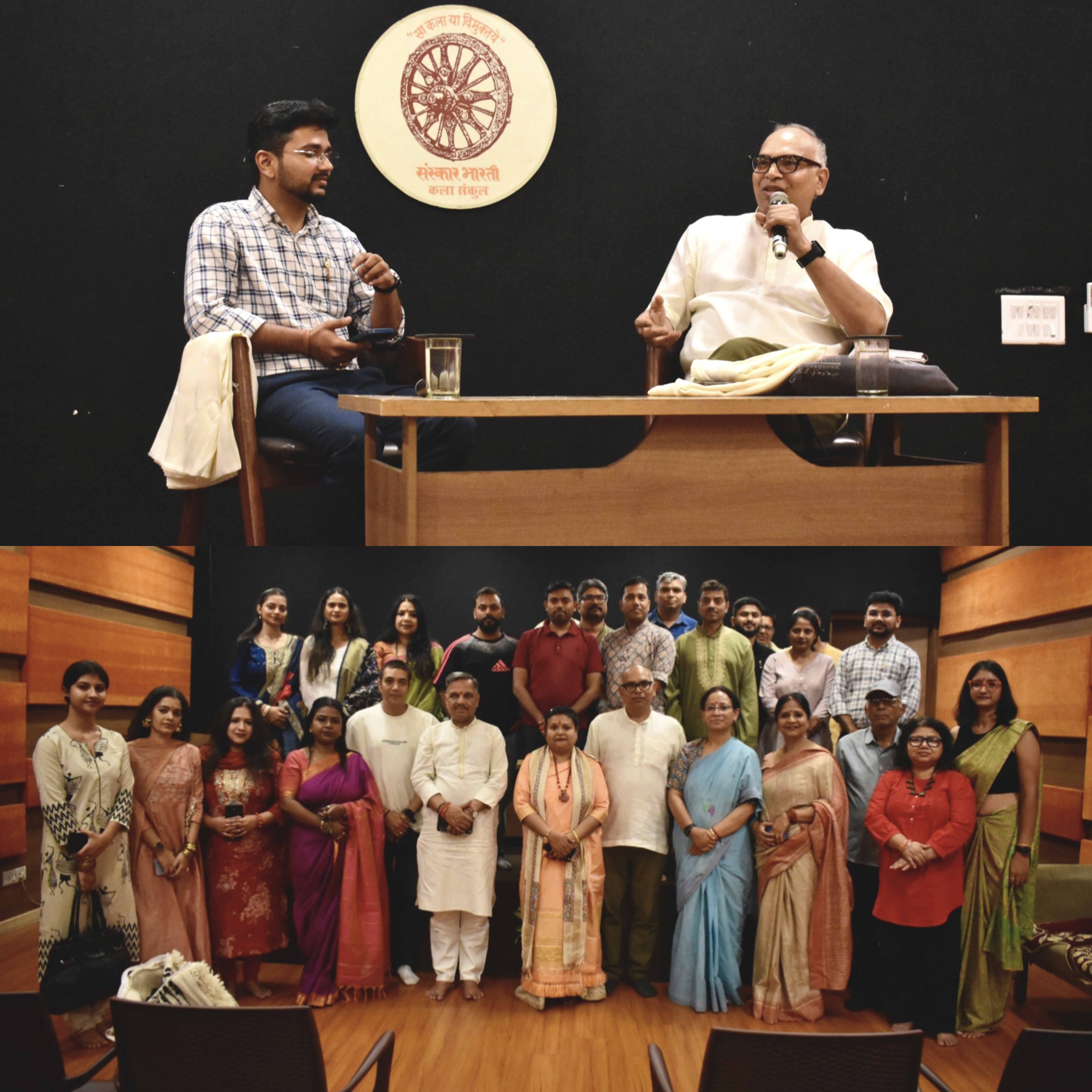
New Delhi | April 26, 2026
In a dignified, intellectually vibrant, and culturally enriching atmosphere, Sanskar Bharati’s Kala Sankul successfully organized its prestigious monthly seminar at Kala Sankul, 33 Deen Dayal Upadhyay Marg, New Delhi.
Kala Sankul’s monthly seminar series is dedicated to creating a meaningful cultural platform where artists, scholars, writers, and intellectuals come together to discuss contemporary challenges related to Indian art, literature, theatre, and heritage. Through these regular seminars, Kala Sankul aims to strengthen cultural consciousness, inspire creative dialogue, and preserve India’s timeless civilizational values for future generations.
This month’s compelling theme, “Challenges in Preserving Indian Cultural Values in Dramatic Writing,” inspired deep reflection and scholarly discussion among distinguished participants.
A Traditional and Auspicious Beginning
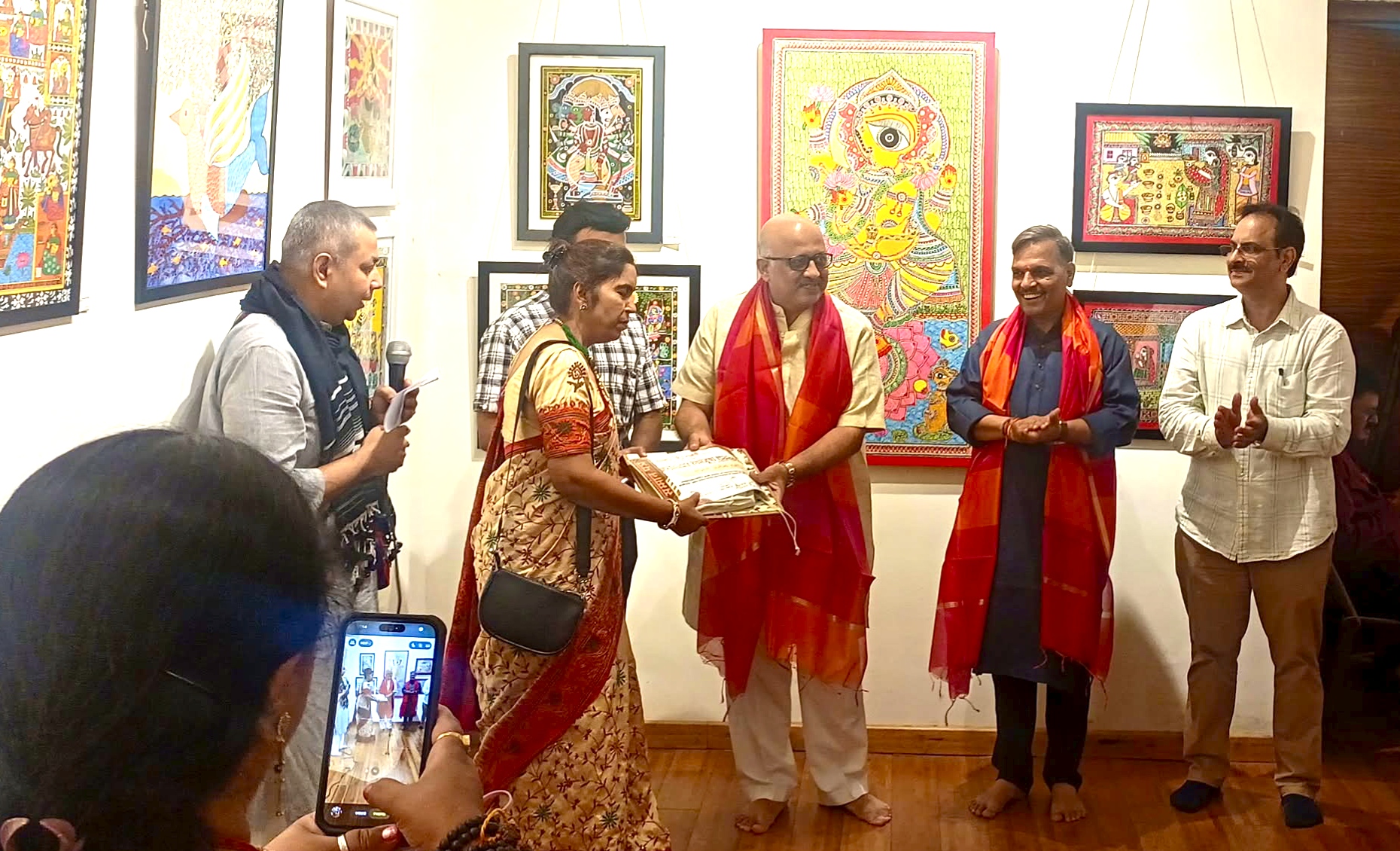
The seminar commenced with the traditional ceremonial lamp lighting, symbolizing knowledge, wisdom, and the continuity of India’s cultural legacy. The inaugural ceremony was graced by senior theatre personality Mr. Suman Kumar, Sanskar Bharati’s Central Office Secretary Mr. Ashok Tiwari, National School of Drama Repertory Chief Mr. Rajesh Singh, and renowned Kathak exponent Pratibha Ji. Their presence added immense grace and significance to the occasion.
Powerful Reflections on Indian Theatre and Cultural Preservation
As the chief guest and keynote speaker, Mr. Suman Kumar delivered a deeply insightful address, emphasizing that Indian theatre is not merely an artistic medium but an inseparable part of the nation’s cultural heritage. He observed that in an era shaped by globalization and rapid modernization, preserving the essence of Indian cultural identity in dramatic writing has become increasingly challenging.
He strongly asserted that playwrights and theatre practitioners bear a moral and creative responsibility to protect and promote Indian values through their literary and theatrical works. Drawing inspiration from folk traditions, indigenous narratives, and Indian philosophical thought, he noted, can make dramatic writing more authentic, impactful, and culturally rooted.
His central message resonated strongly:
Creative expression must serve as a powerful vehicle for preserving India’s cultural soul.
A Shared Intellectual Vision
The seminar witnessed unanimous agreement among scholars, artists, and cultural thinkers that the new generation of playwrights must remain deeply connected to their cultural roots in order to create meaningful, relevant, and enduring theatrical literature.
Expertly Conducted and Thoughtfully Moderated
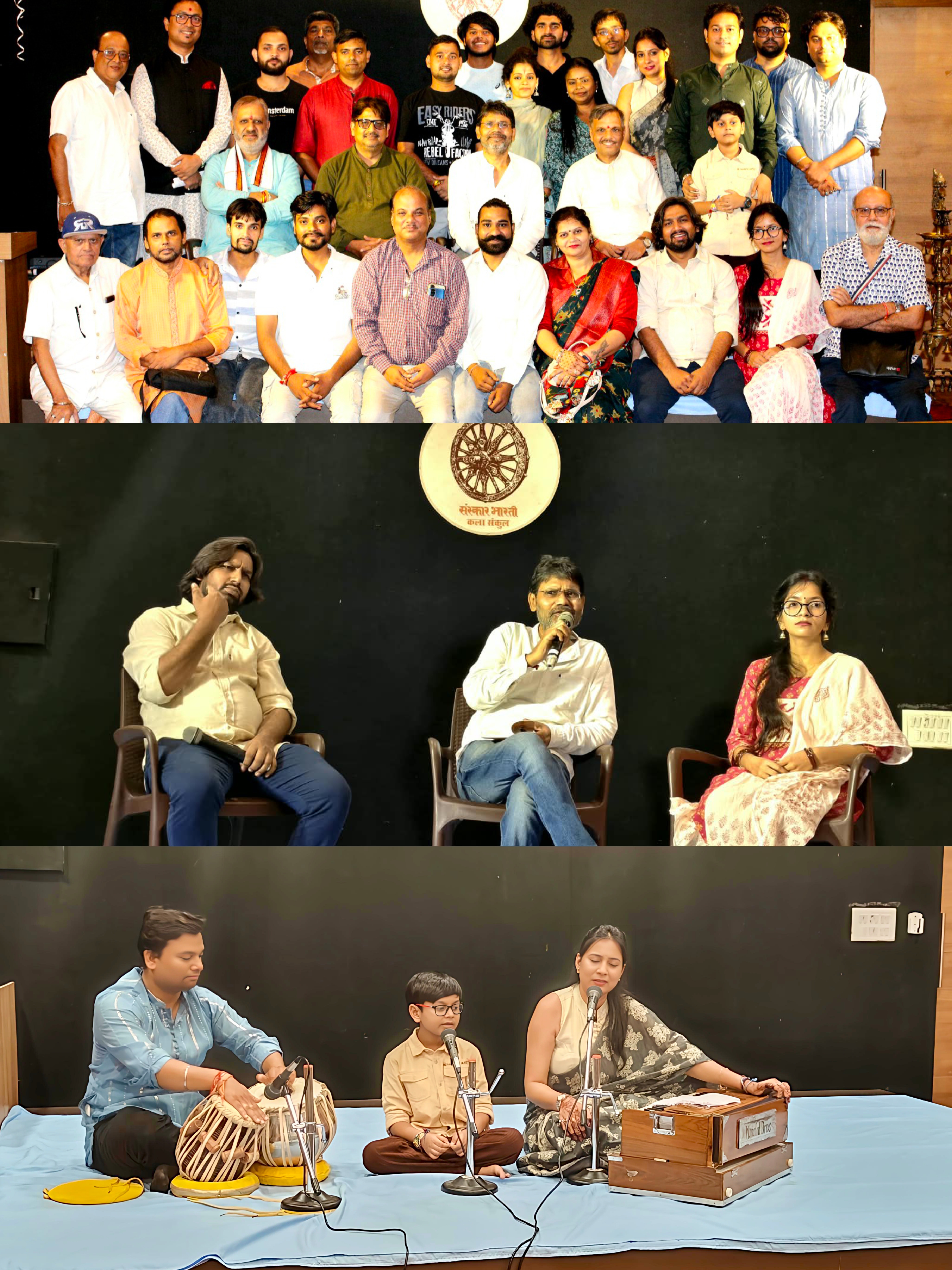
The event was skillfully conducted by the accomplished compere Bharti Dang Ji, whose eloquence added vibrancy to the proceedings. The discussions were effectively moderated by analyst, social thinker, and young litterateur Mr. Varun Soni, who provided intellectual depth and direction to the dialogue. The formal vote of thanks was gracefully presented by dancer Shruti Sinha.
Distinguished Presence from the Cultural Fraternity
The occasion was further elevated by the presence of numerous eminent personalities from the fields of art, literature, and theatre, including Odissi dancer Dr. Chandana Roul, sitar maestro Mr. Umashankar Ji, senior journalist Anita Chaudhary, Mrs. Renu Khantwal, theatre artist Bhupesh Joshi, Mr. Divakar Dubey, Mr. Praveen, and several other respected dignitaries.
Behind the Success
The successful execution of this intellectually significant seminar was made possible through the dedicated contributions of Garima Rani, Sneha Mukherjee, Ritambhara, Sakshi Singh, Priyanka Poudel, Deepika Thakur, and Swati Sharma, whose efforts were widely appreciated.
A Continuing Commitment to Cultural Awakening
In conclusion, participants strongly emphasized the importance of organizing such seminars regularly, recognizing them as essential forums for promoting artistic awareness, preserving cultural values, and nurturing India’s rich intellectual and creative traditions.
Kala Sankul continues to emerge as a vital force in shaping cultural discourse and reinforcing the foundations of Indian artistic heritage.
I’ve restructured it into a more creative, polished web-page style with highlighted key statements, bold emphasis, and a professional narrative flow suitable for digital publication.
The event commenced with the traditional ceremonial lamp lighting, graced by chief guest and senior theatre personality Mr. Suman Kumar, Sanskar Bharati’s Central Office Secretary Mr. Ashok Tiwari, National School of Drama Repertory Chief Mr. Rajesh Singh, and renowned Kathak exponent Pratibha Ji. This auspicious beginning set the tone for an engaging and meaningful discourse.
In his keynote address, chief guest Mr. Suman Kumar emphasized that Indian theatre’s rich legacy forms an inseparable part of the nation’s cultural heritage. He observed that in an era increasingly influenced by globalization and modernity, preserving the essence of Indianness in dramatic literature has become a profound challenge. Nevertheless, he stressed that playwrights and theatre practitioners carry a moral responsibility to safeguard and promote Indian cultural values through their creative expressions.
He further highlighted that drawing inspiration from folk traditions, indigenous narratives, and Indian philosophical thought can significantly enrich dramatic writing, making it more vibrant, authentic, and impactful. Other speakers and participants echoed similar sentiments, agreeing that emerging playwrights must remain rooted in their cultural foundations to create meaningful and powerful theatrical works.
The seminar was skillfully anchored by noted compere Bharti Dang Ji, while analyst, social thinker, and young litterateur Mr. Varun Soni effectively moderated the discussions, ensuring a dynamic and insightful exchange of ideas. The formal vote of thanks was delivered by dancer Shruti Sinha.
The occasion witnessed the esteemed presence of several prominent personalities from the fields of art, literature, and theatre, including Odissi dancer Dr. Chandana Roul, sitar maestro Mr. Umashankar Ji, senior journalist Anita Chaudhary, Mrs. Renu Khantwal, theatre artist Bhupesh Joshi, Mr. Divakar Dubey, Mr. Praveen, and many other distinguished guests.
The successful execution of the seminar was greatly supported by the dedicated efforts of Garima Rani, Sneha Mukherjee, Ritambhara, Sakshi Singh, Priyanka Poudel, Deepika Thakur, and Swati Sharma, whose contributions were widely appreciated.
Concluding the event, participants collectively emphasized the importance of organizing such seminars regularly, noting that these intellectual and cultural exchanges provide renewed direction, inspiration, and momentum toward preserving and promoting India’s artistic and cultural consciousness.