Rangmanjusha Brings India’s Folk and Traditional Art Traditions Together


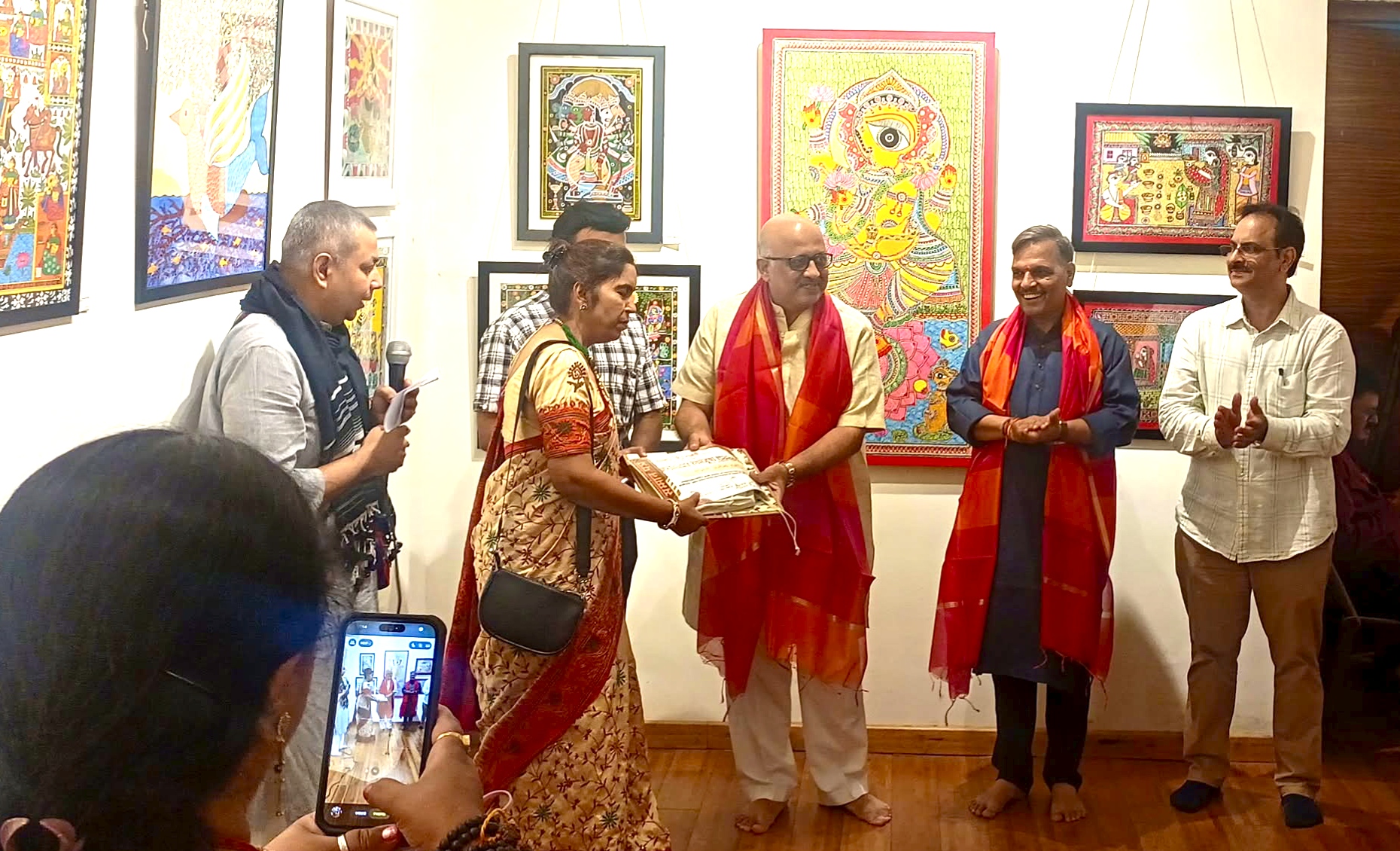
Five-day exhibition at Kala Sankul concludes with felicitation of 33 participating artists
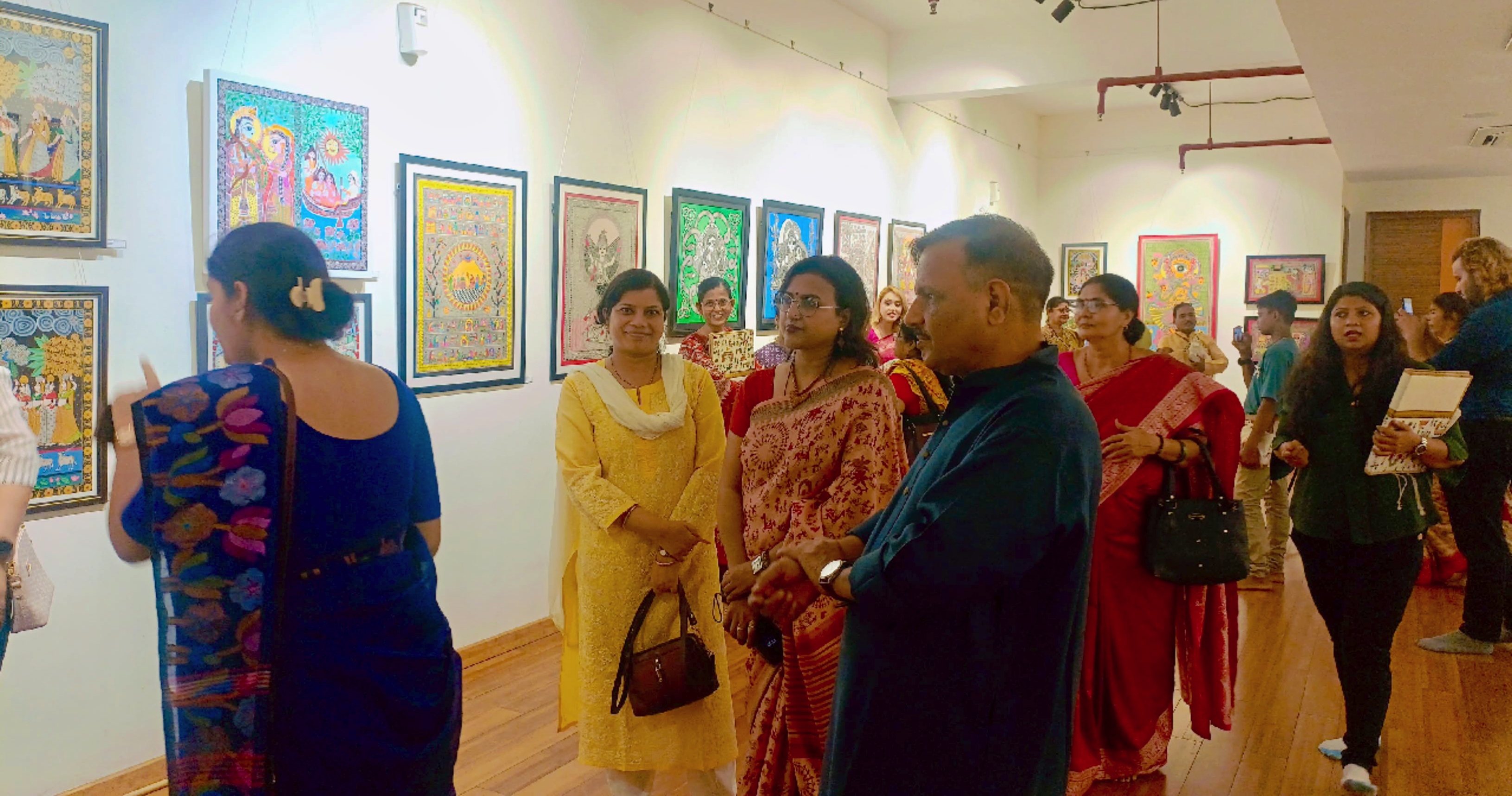
New Delhi: A vibrant celebration of India’s folk and traditional art traditions came to a close at Kala Sankul on September 30 with the conclusion of ‘Rangmanjusha’, a five-day exhibition organised by the Visual Arts Vidya of Sanskar Bharati, Delhi Prant. Held from September 26 to 30 at Kala Sankul, 33 Deen Dayal Upadhyay Marg, New Delhi, the exhibition brought together 33 artists whose works reflected the remarkable diversity of India’s traditional visual culture.
From the intricate visual language of Madhubani to the distinctive forms of Warli and Gond, and from the devotional richness of Pichwai to the narrative tradition of Phad, the exhibition offered visitors an opportunity to encounter several artistic traditions under one roof. Sujani, Manjusha and traditional art from Kerala were also represented, along with mural art and the art of doll-making.
What made the exhibition particularly engaging was the diversity of artistic languages on display. Each tradition carried its own vocabulary of colours, lines, motifs and cultural references. Together, they created a visual journey through different regions and communities of India, revealing the close relationship between art, everyday life, rituals, beliefs and cultural traditions.
Abhijeet Gokhale Ji: Connecting Art with History and Cultural Context
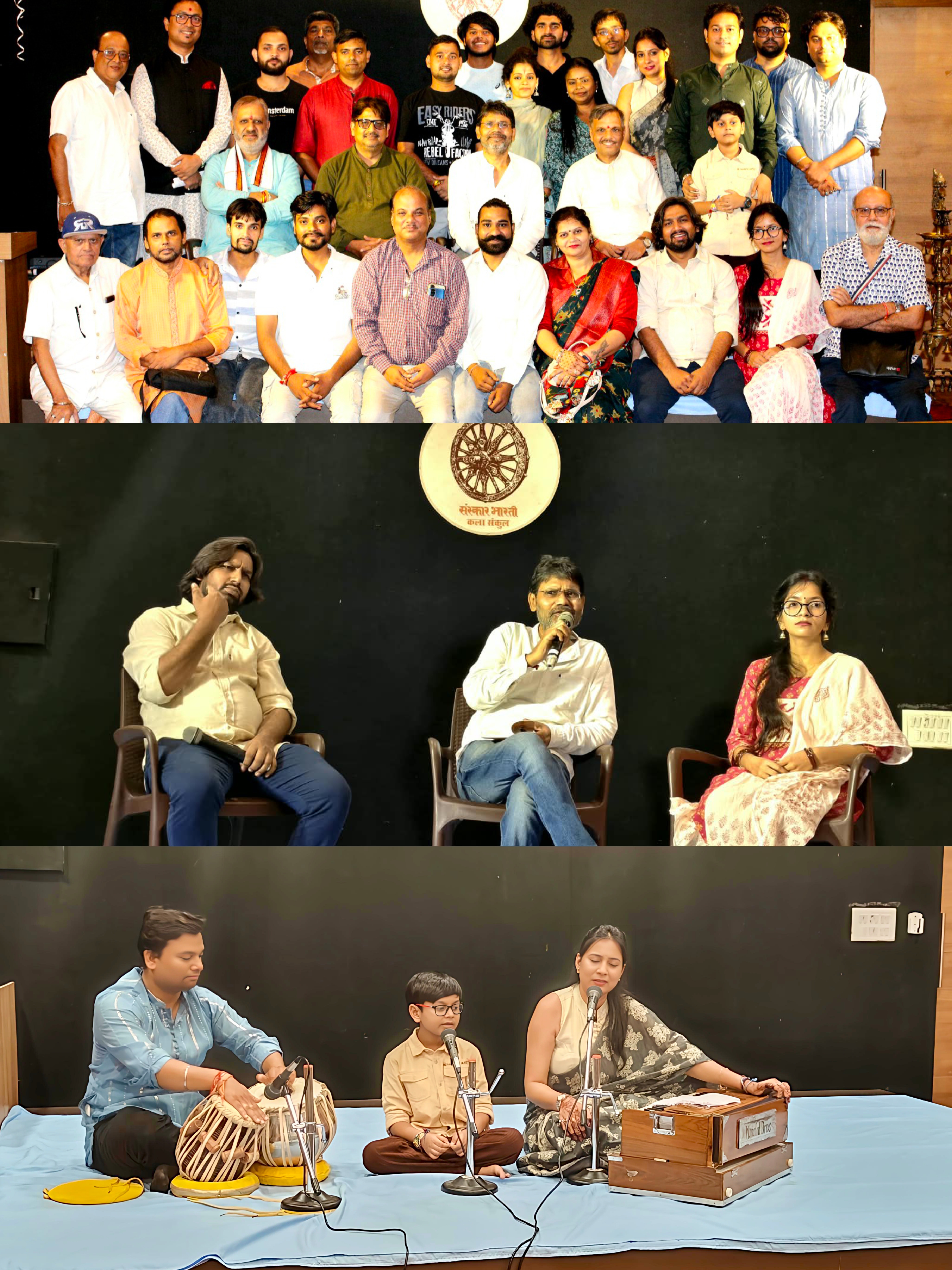
At the closing ceremony, Sh. Abhijeet Gokhale Ji, Sangathan Mantri of Sanskar Bharati, appreciated the artworks presented by the participating artists and observed that their hard work and dedication were clearly visible in the paintings.
“All the artists have displayed very good paintings, and the hard work that has gone into creating these works is clearly visible. The theme of the exhibition is also appreciable. If historical and cultural references are presented along with the paintings, visitors will have an opportunity to understand the history of our culture and the cultural environment in which different folk and traditional art forms evolved.”
His observation brought an important dimension to the exhibition—the possibility of viewing traditional art not only as an artistic form but also as a window into India’s history, cultural practices and regional traditions. Providing such context alongside artworks can help audiences, particularly younger viewers, understand the stories and cultural backgrounds associated with the traditions they encounter.
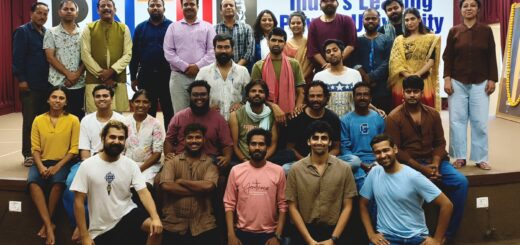
The closing ceremony also became an occasion to recognise the artists whose creative efforts made the exhibition possible. Shri Abhijeet Gokhale and Shri Ashok Tiwari, Karyalaya Sachiv of Sanskar Bharati, felicitated all 33 participating artists.
The participating artists were Anita Verma, Arundhati Mahto, Archana Jha, Alka Sharma, Awadhesh Kumar Karn, Aditya Raj, Kanchan Mani, Kavita Pathak, Kriti Poddar, Grishma Shah, Jyoti Gupta, Dimple Rajput, Dolly Thakur, Pankaj Kumar, Parnika Jain, Pallavi Puri, Prerna Jha, Vandana Thakur, Manish Sharma, Mrinal Singh, Maryleen, Mousumi Patnaik, Yachna Jha, Rajni Kiran Jha, Ruby Devi (Chhath Puja), Ruby Devi (Ganpati), Vandana Jha, Vibha Rani Das, Shampi Kumara, Shivam Chaudhary, Sandhya Shukla, Smita Nair and Swati Kashyap.
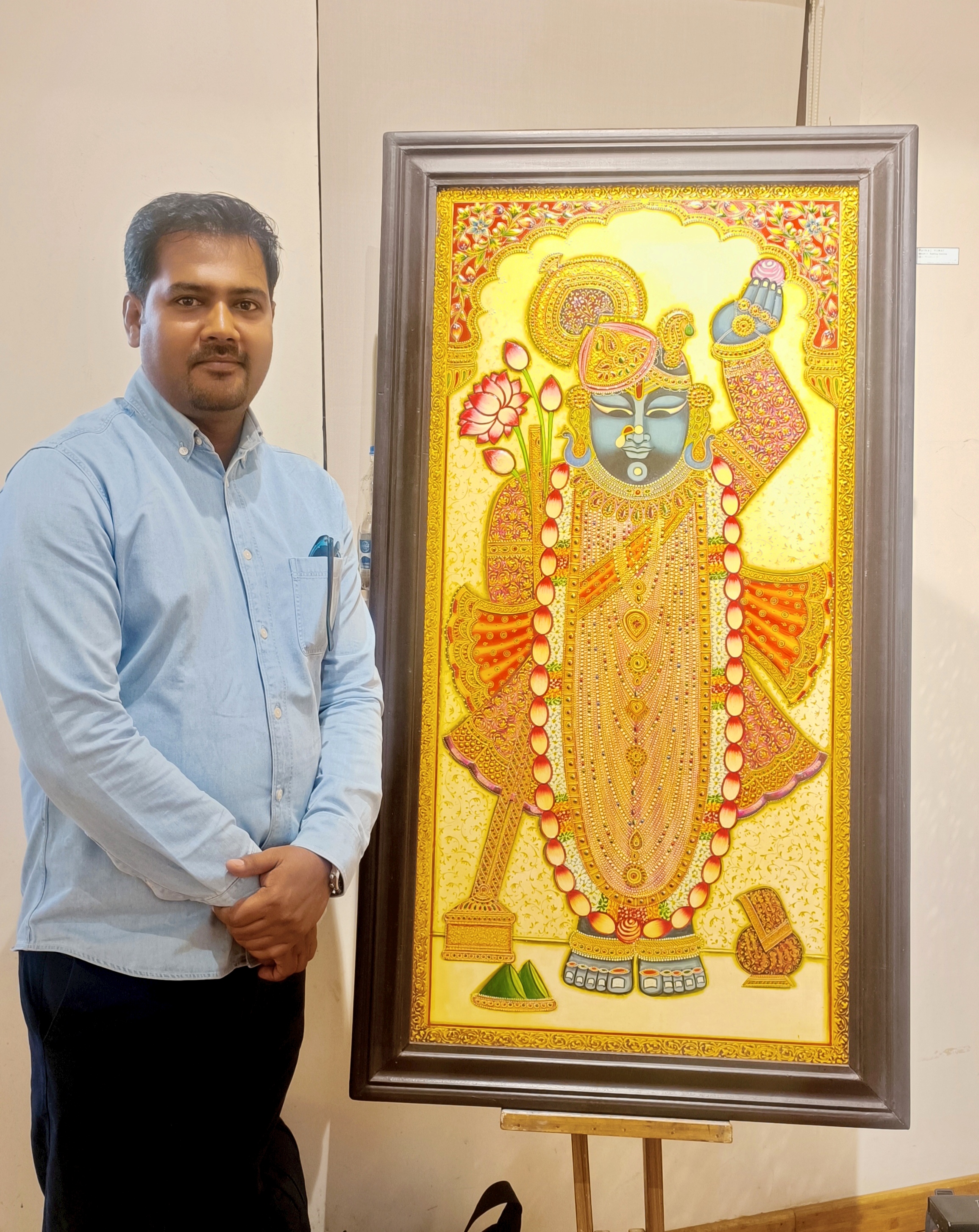
Beyond bringing several art traditions together, ‘Rangmanjusha’ provided artists with a platform to present these traditions through their individual creative perspectives. Traditional forms and techniques could be seen alongside contemporary approaches, demonstrating that folk art continues to inspire artistic practice in the present.
The exhibition also highlighted the continuing relevance of traditional art in a changing cultural landscape. Rather than existing merely as a memory of the past, these art forms continue to evolve through the hands of contemporary practitioners. Exhibitions such as ‘Rangmanjusha’ create an important meeting point between artists and audiences while opening avenues for younger generations to discover and engage with India’s diverse artistic heritage.
Organised under the coordination of Jitendra Kumar, Convener, Visual Arts Vidya, and Pankaj Sachdeva, Co-Convener, ‘Rangmanjusha’ remained a colourful meeting ground of artistic traditions throughout its five-day run. Its conclusion with the felicitation of all 33 artists celebrated not only their individual creativity but also the rich cultural traditions that continue to give Indian folk and traditional art its distinctive identity.