Mask Players Art Group’s National Theatre Festival Brings Six States Together on One Stage
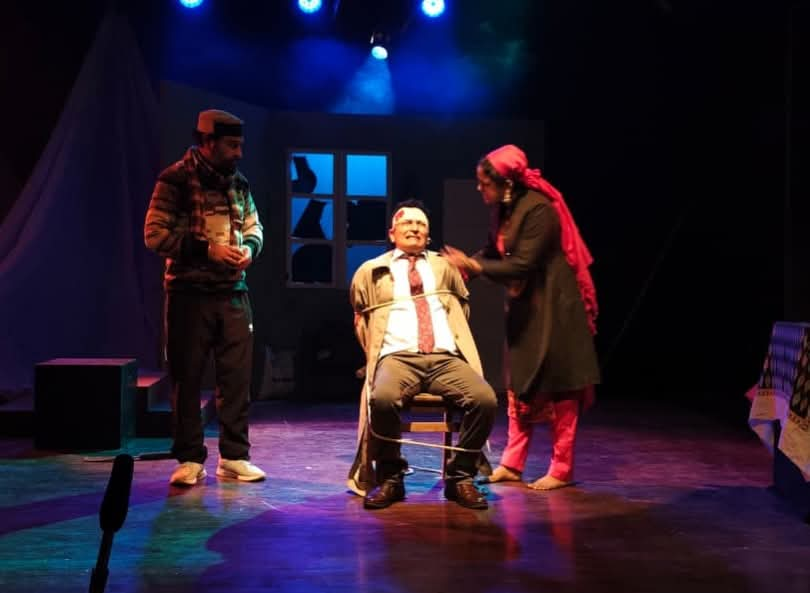
Mask Players Art Group brings together theatre companies from across India for a three-day festival exploring social realities, human relationships and contemporary concerns.

New Delhi | November 2026

Bringing together diverse voices, regional narratives and compelling theatrical expressions, the National Theatre Festival, organised by Mask Players Art Group, offered Delhi audiences a vibrant glimpse into India’s rich and varied theatre traditions. Held from November 13 to 15, 2026, at the Sammukh Auditorium of the National School of Drama (NSD), the three-day festival featured six theatre groups from Bihar, Assam, Kashmir, Telangana, Uttarakhand and Haryana.

Each production explored a distinct social or cultural theme, reflecting the concerns, experiences and creative sensibilities of different regions. Together, the six performances made the festival a celebration of India’s cultural diversity through theatre.

The festival opened with Bojh, presented by Bihar-based theatre group Achhinjal. Written and directed by Kashyap Kamal, the play explored questions surrounding women’s lives and the discourse on gender. Assam’s Wings Theatre followed with Helen, written and directed by Kismat Bano. The production brought attention to the lives and experiences of children with special needs, highlighting an important social concern through the medium of theatre.

Representing Kashmir, Kashmir Performers Collective (KPC) presented Arnimāl, a theatrical portrayal of the life of the celebrated Kashmiri poetess of the same name. Written and directed by Manzoor Ahmad Mir, the play brought the literary and cultural legacy of the poetess to the stage.
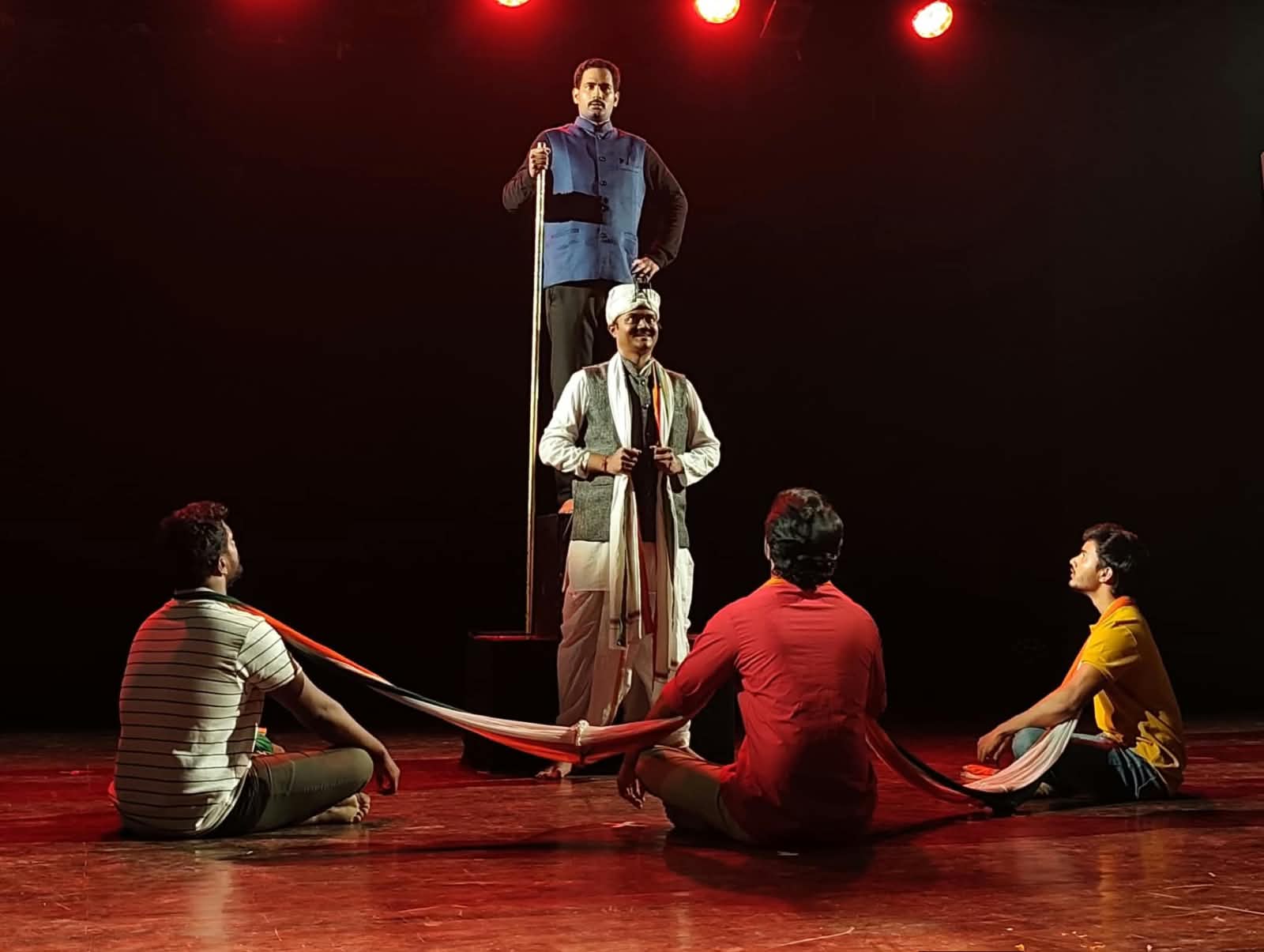
Theatre from Telangana found expression in Kohinoor, a political satire presented by The Centre for Arts, Media and Social Welfare (CAMS). Written by Shashimohan and directed by Summeta Venkataramana, the production offered a satirical perspective on political realities.

Uttarakhand’s Kala Darpan presented Barf, a play written by Saurabh Shukla, adapted for the stage by Badrish Chhabra and directed by Suvarn Rawat. Exploring migration from the hills, loneliness and the psychology of human faith, the production brought forth the emotional and social dimensions of life in the region.

The festival concluded with Hanuman Inside Me, presented by Haryana’s Abhinay Rangmanch. Written by Yashraj and directed by Manish Joshi, the play examined the pressures children face due to unwanted social expectations, drawing meaningful lessons from the Ramayana.

The festival’s six performances were anchored by RJ Mala, Himmat Singh Negi and Vijay Singh, whose engaging stage presentations kept the programme lively throughout the three days.

The event also witnessed enthusiastic participation from Delhi residents belonging to the participating states. For many, it was a special opportunity to experience theatre from their home regions in the capital. The audience response reflected the importance of creating platforms where regional theatre groups can share their work and connect with wider audiences.

Several distinguished personalities attended the festival, including Anil Sharma, MLA from R.K. Puram; Pravesh Wahi, Mayor of Delhi; Chittranjan Tripathi, Director of the National School of Drama; noted social worker Dr. Shobha Vijender; actor and television crime-show anchor Shrivardhan Trivedi; and Dr. Rubina Mittal, Professor at the University of Delhi. They appreciated the initiative and its contribution towards bringing different regional theatre traditions together.

Speaking about the festival, Chandrashekhar Sharma, President of Mask Players Art Group and Festival Director, emphasised the importance of connecting India’s rich cultural heritage through the performing arts. He expressed his intention to organise more such initiatives in the future.

Beyond the six performances, the festival highlighted the unifying power of theatre — an art form that transcends geographical boundaries and brings diverse voices, cultures and communities onto a common stage.


A Masterful Comedy of Deception: *Gorakhdhanda* Delights Audiences with Humor and Insight

On November 10, the Mask Players Art Group brought to life Jayvardhan’s comedy play Gorakhdhanda at Gurugram’s Rang Parivartan Auditorium, delighting audiences with laughter and charm under the skilled direction of Chandrashekhar Sharma.

The storyline of Gorakhdhanda is a clever, layered satire on deception and morality, following the antics of a crafty property dealer and his equally sly servant. The two exploit a unique business model—illegally renting out government houses. Enlisting the help of a resourceful actor friend, they devise numerous ways to extract extra money from unsuspecting tenants. They pose as fake police officers, manufacture absurd emergencies, and even cut off tenants’ cable wires, all to manipulate and swindle money out of them.

However, their clever games reach a turning point when they encounter a new tenant, Geeta, a quick-witted woman who begins to see through their schemes. Unlike previous tenants, Geeta decides to fight back, taking matters into her own hands. Her pushback throws the scheming trio into a spiral of missteps, confusion, and unintended consequences. This leads to a brilliantly funny climax, where each character is forced to confront the absurdity of their deception, making for a deeply engaging and humorous plot twist.

Chandrashekhar Sharma’s direction is seamless, reflecting both his understanding of the play’s humor and his ability to highlight social commentary without losing the comedic essence. Sharma managed to balance the farcical elements of the story with a simplicity that made the scenes relatable and accessible. His careful pacing kept the audience engaged, and he ensured that every punchline landed. The transitions between scenes were smooth, and the intricate dynamics between characters were allowed to unfold naturally, making for a cohesive performance that held the audience’s attention from start to finish.

The cast of Gorakhdhanda shone on stage, each actor embracing their character with authenticity and energy. Ashish Sharma, Nikhil Jha, Eva Dandona, Pushkar Sagar, Ashutosh Srivastava, Jatin, and Mayank Sharma added rich layers to the play with their roles, enhancing the comedic timing and providing moments of slapstick that were both skillful and hilarious.

Together, the ensemble cast displayed a natural chemistry, enhancing each other’s performances and creating a lively atmosphere on stage. Their nuanced expressions, quick timing, and humorous dialogues conveyed not only the humor but also the subtle social critique embedded in the play.

Behind the scenes, a dedicated technical team brought the world of Gorakhdhanda to life with admirable precision. Sarita Rana, Manoj, Rakesh Sharma, Sangeeta Suyal, and Mamta Rani were instrumental in handling the set changes, props, and lighting that supported the narrative. Their efforts ensured that each scene flowed effortlessly, with no disruptions, adding polish to the production. The set design was simple but effective, allowing the audience to focus on the characters while still providing the necessary realism for the setting. Lighting and sound cues were timely, which helped to heighten the comedic moments and emphasized the shifts in tone as the story progressed.

For those who missed the Gurugram performance, there’s good news—the play will be staged again on November 16 at Blank Canvas Studio, Mandi House, New Delhi, promising another evening of laughter and insight.


“Prem-Parinde”: A Tale of Changing Social Values in the Name of Love

On August 4, 2024, Mask Players Art Group performed the play “Prem-Parinde” at the Rangparivartan Auditorium in Gurugram. Written and directed by Chandrashekhar Sharma, the play delves into the modern trend of forming romantic relationships without understanding their depth, turning it into a social pressure for today’s youth. This phenomenon is leading to crimes in the name of love and causing familial disintegration. Additionally, social media is exacerbating the situation, with students prioritizing creating reels over building their future.

The play conveys its serious message in a humorous manner. The main character, Nisha, is a fan of a superstar and is so obsessed with movies that she lives her life in a cinematic way. This obsession leads her to fall in love with Rajan, a loafer who resembles a superstar, and she even finances his expenses. Their movie-like love story reaches a point where they realize they have only been deceiving each other under the guise of love and don’t truly understand what love is.

The roles were well-portrayed by Pooja Singh as Nisha, Ashish Sharma as Rajan, Rakesh Sharma as the father, Hansika Jain as the wife, and Parth Srivastava as Bhola. The actors’ timing was impeccable, adding to the entertainment of the audience. Behind the scenes, Nikhil Jha handled the lights and Mayank Sharma managed the music, both contributing significantly to the success of the presentation.

The play, while tickling the audience’s funny bones, conveyed a profound message relevant to today’s youth.