“Nadi Pyasi Thi”: A Hauntingly Beautiful Exploration of Human Emotions and Relationships
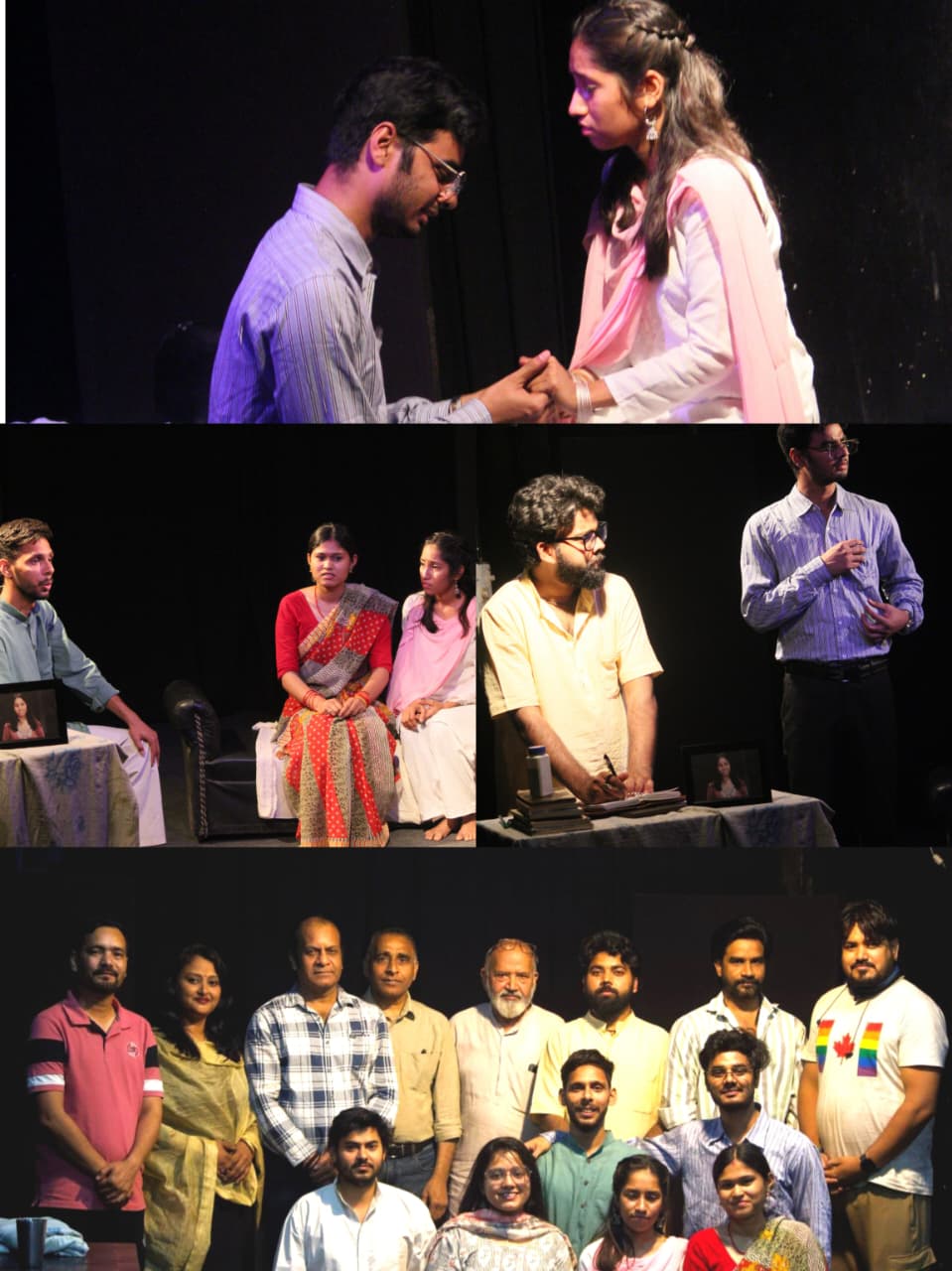
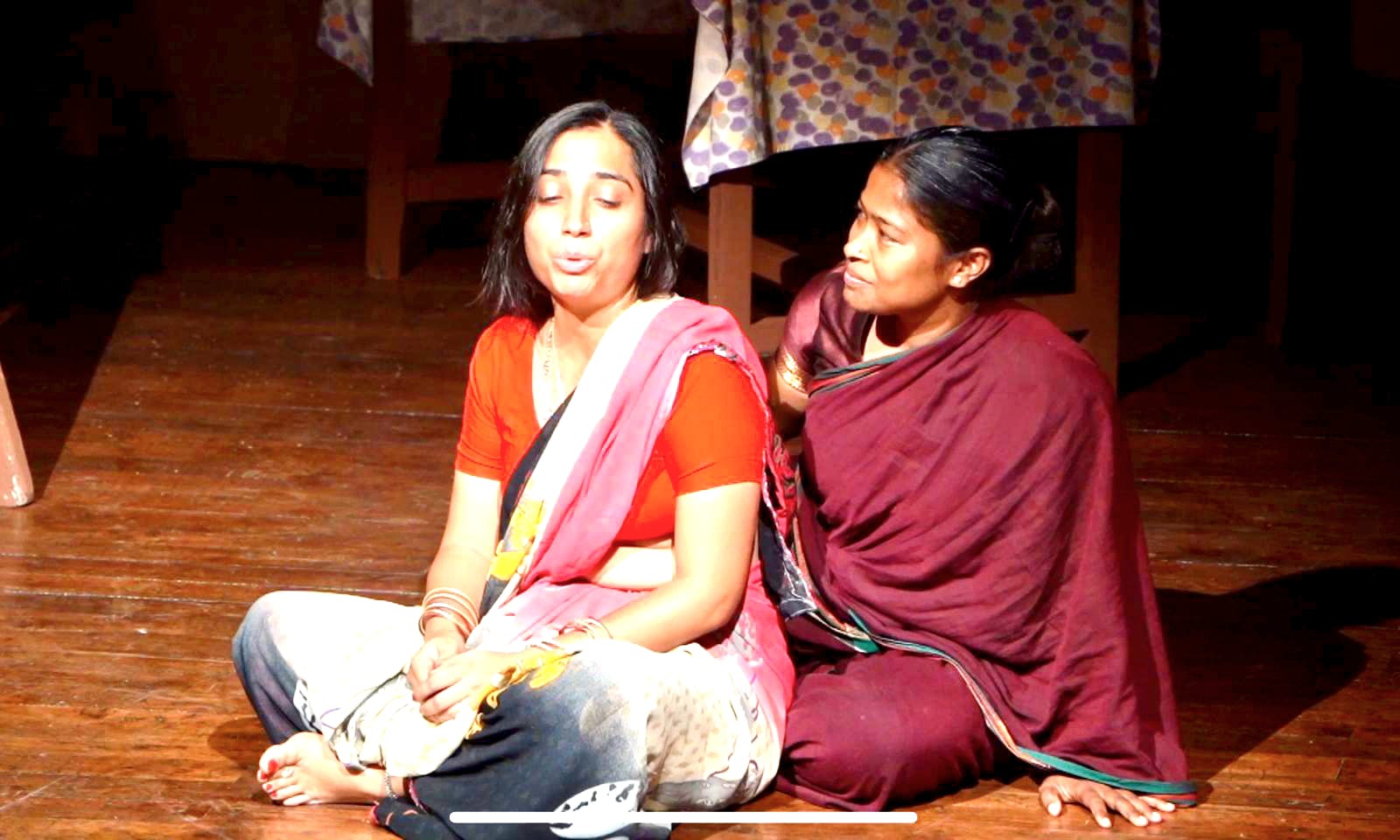
New Delhi | March 26–27, 2026 — The stage came alive with intensity and introspection as “Nadi Pyasi Thi, presented by the Disha Group of Visual and Performing Arts, unfolded as a deeply moving, thought-provoking, and emotionally layered theatrical experience. Supported by the Ministry of Culture, Government of India, the production was seamlessly coordinated by Dr. Satya Prakash Verma, directed with finesse by Suraj Kumar, and guided by Sampa Mandal, whose artistic vision resonated throughout the performance.
The play was staged on March 26 at Mitra Rangmanch Auditorium, Madhu Vihar, followed by an equally compelling presentation on March 27 at Padma Shri Daya Prakash Sinha Theatre Studio and Art Gallery, Bhajanpura, where it left audiences visibly moved and contemplative.
Rooted in the ideas of eminent writer Dharamvir Bharati, the play delves into the intricate psychological layers of orthodoxy, insecurity, and possessiveness that often shape human relationships. The central metaphor of the “river” is profoundly evocative—flowing endlessly on the surface, yet internally parched, symbolizing the unfulfilled desires and emotional void that linger within the human soul.
The narrative is driven by five key characters—Rajesh, Shankar, Sheila, Padma, and Krishna—portrayed with remarkable depth and authenticity by a talented ensemble cast. Suraj Kumar (Shankar), Gagan Chaudhary (Rajesh), Aditya Srivastava (Krishna), Megha (Padma), Disha Negi (Sheila), and Pushkar Sagar (Shankar/Doctor’s Assistant) delivered power-packed performances, marked by natural dialogue delivery and compelling on-stage chemistry, which brought the story vividly to life.
Behind the scenes, the technical team added significant value to the production’s emotional impact. Payal Dhirashri’s music beautifully underscored the narrative’s emotional depth, while Naresh Singh and Neera Singh’s lighting design enhanced the psychological nuances of each scene. Costume designers Nitish Jha and Anjana Tiwari ensured visual authenticity, and Sandhya Verma’s makeup lent a lifelike presence to every character.
Director Suraj Kumar deserves special mention for his restrained yet powerful storytelling approach. By steering clear of unnecessary theatrics and focusing on the core emotional essence, he ensured that the narrative remained intimate, immersive, and impactful. The fluid scene transitions, controlled pacing, and rhythmic dialogue delivery kept the audience engaged till the very end.
In essence, “Nadi Pyasi Thi” is more than just a play—it is a poignant mirror to the human condition, reflecting the complexities of the mind, the fragility of relationships, and the silent struggles within. With its compelling narrative, nuanced performances, and thoughtful direction, the production stands out as a memorable and soul-stirring theatrical experience.