🎭 “Madhavi” — A Stirring Theatrical Reflection on Power, Sacrifice, and Womanhood
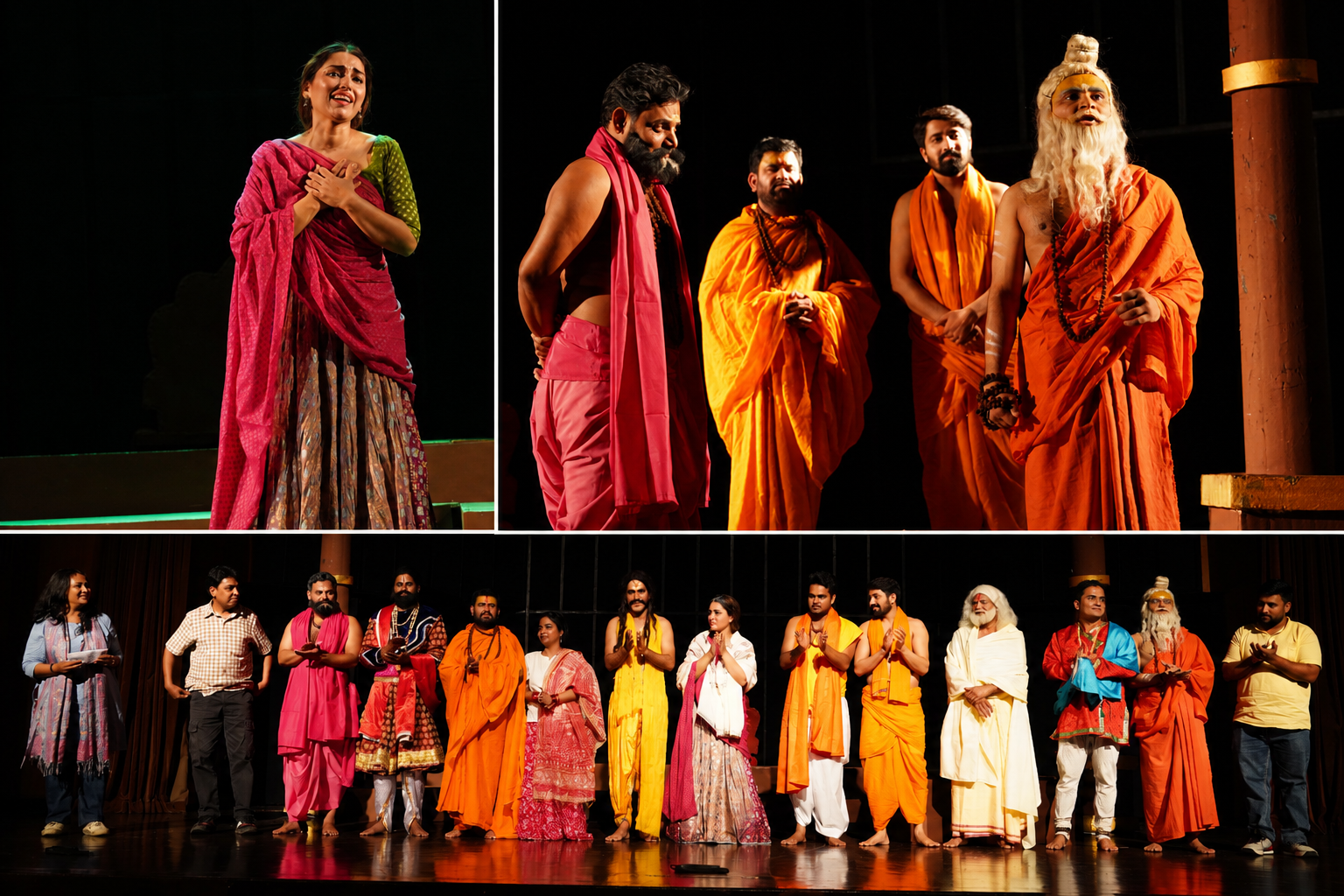
The stage of the India Habitat Centre recently witnessed an emotionally charged and intellectually layered presentation of “Madhavi”, brought to life by Anuragna Theatre Group under the direction of Ashraf Ali. Adapted from the celebrated literary work of Bhisham Sahni, the production unfolded not merely as a retelling of a mythological narrative, but as a deeply resonant exploration of the emotional and social realities imposed upon women across generations.
From its opening moments, the play established an atmosphere of emotional intensity and moral conflict. The narrative of Madhavi — a woman repeatedly sacrificed in the name of duty, ambition, and patriarchal expectations — emerged as painfully relevant even within a contemporary social context. The production questioned the structures that normalize female sacrifice while glorifying male pride and authority, making the performance feel both timeless and urgently modern.
✨ A Visionary Directorial Approach
Director Ashraf Ali handled the text with remarkable maturity and restraint. Instead of relying solely on the grandeur of mythology, he focused on the emotional truth embedded within the story. His interpretation transformed Madhavi into a living social discourse — one that examined exploitation, emotional abandonment, and the silent endurance expected from women.
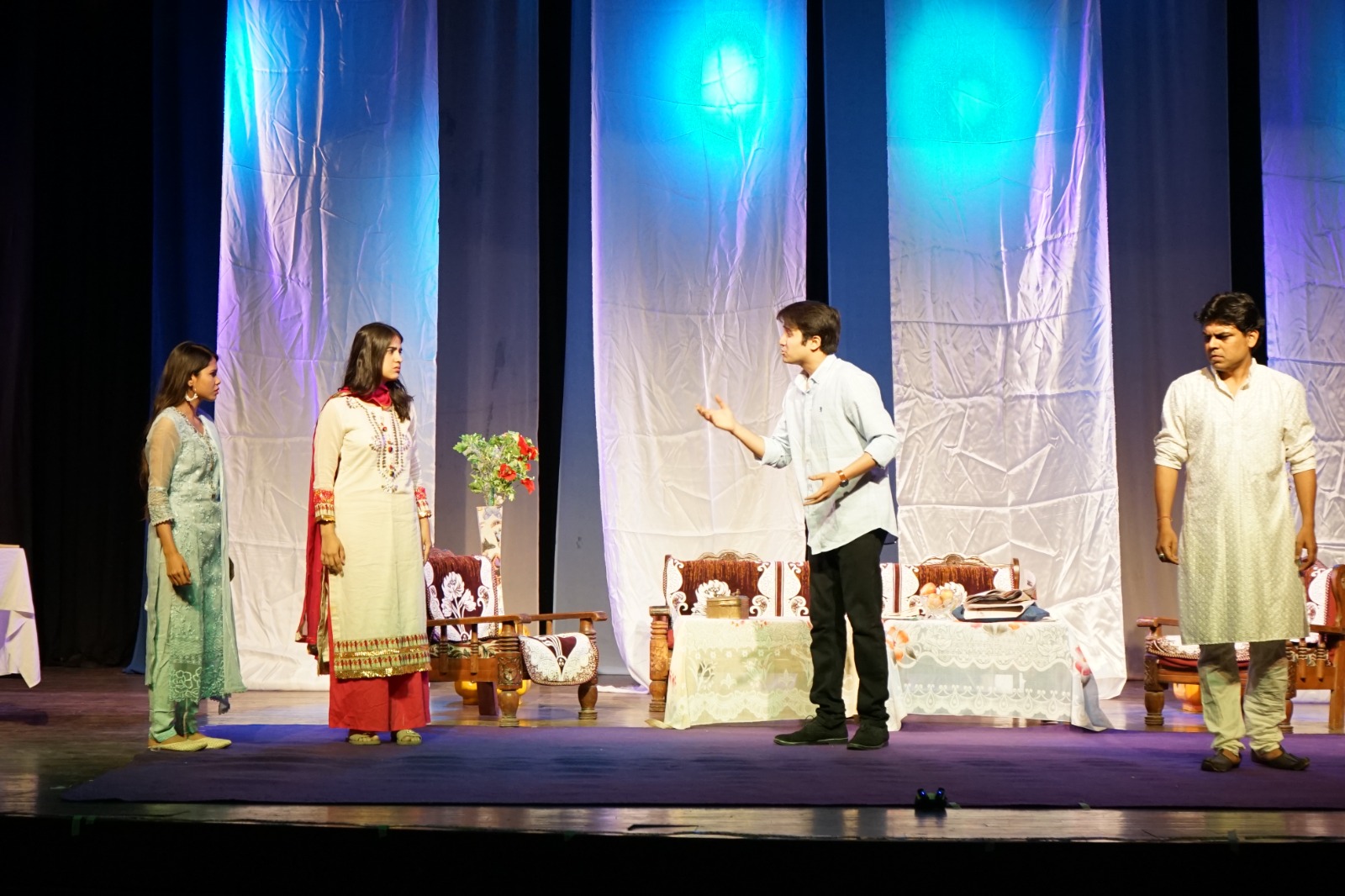
The staging remained aesthetically balanced throughout, with carefully designed visual transitions and thoughtfully constructed dramatic spaces. Every movement on stage appeared purposeful, allowing the emotional weight of the scenes to unfold naturally. The director’s command over rhythm and silence played a significant role in maintaining the audience’s engagement and emotional involvement.
🌟 Performances Rich in Emotional Depth
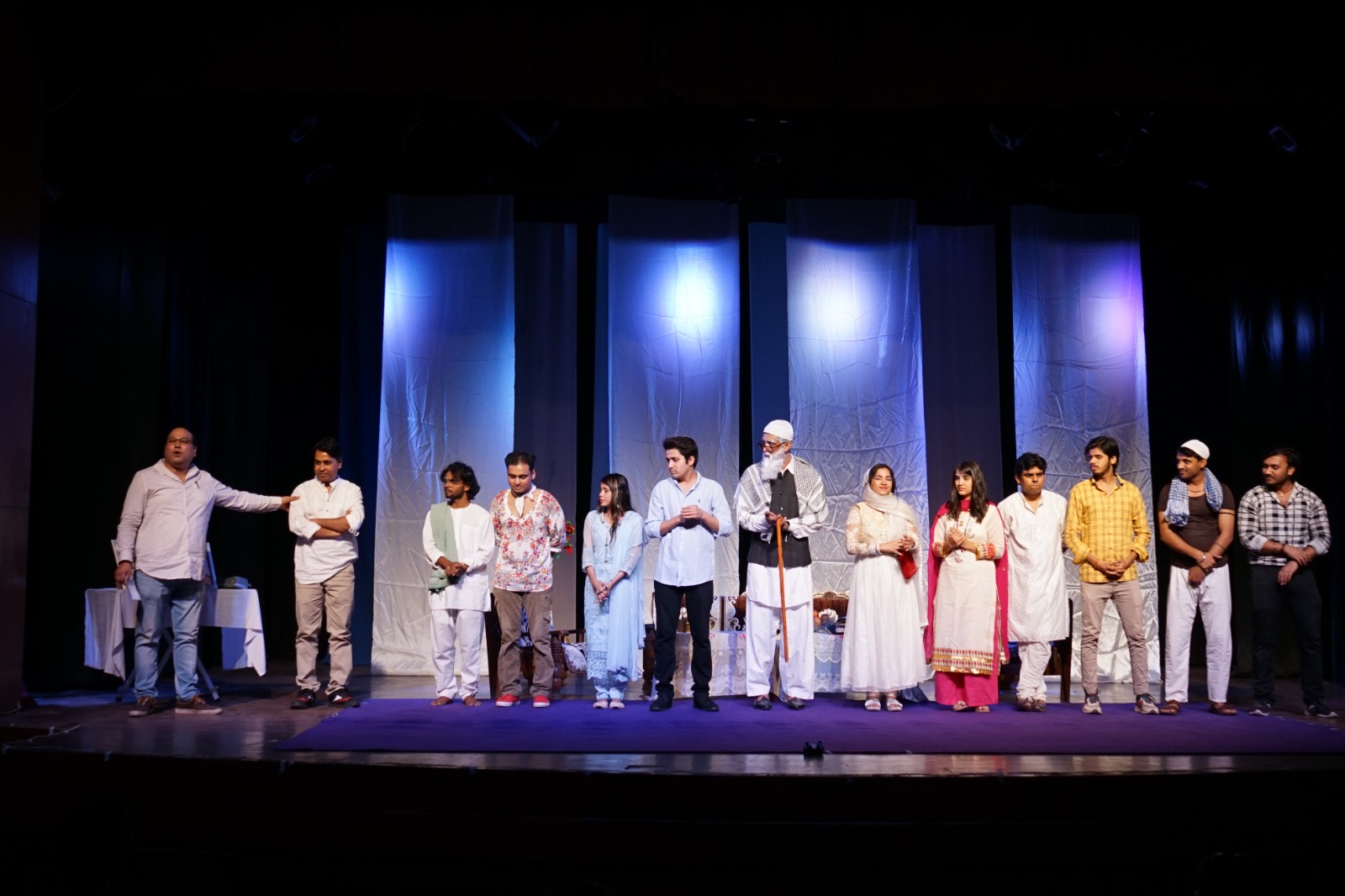
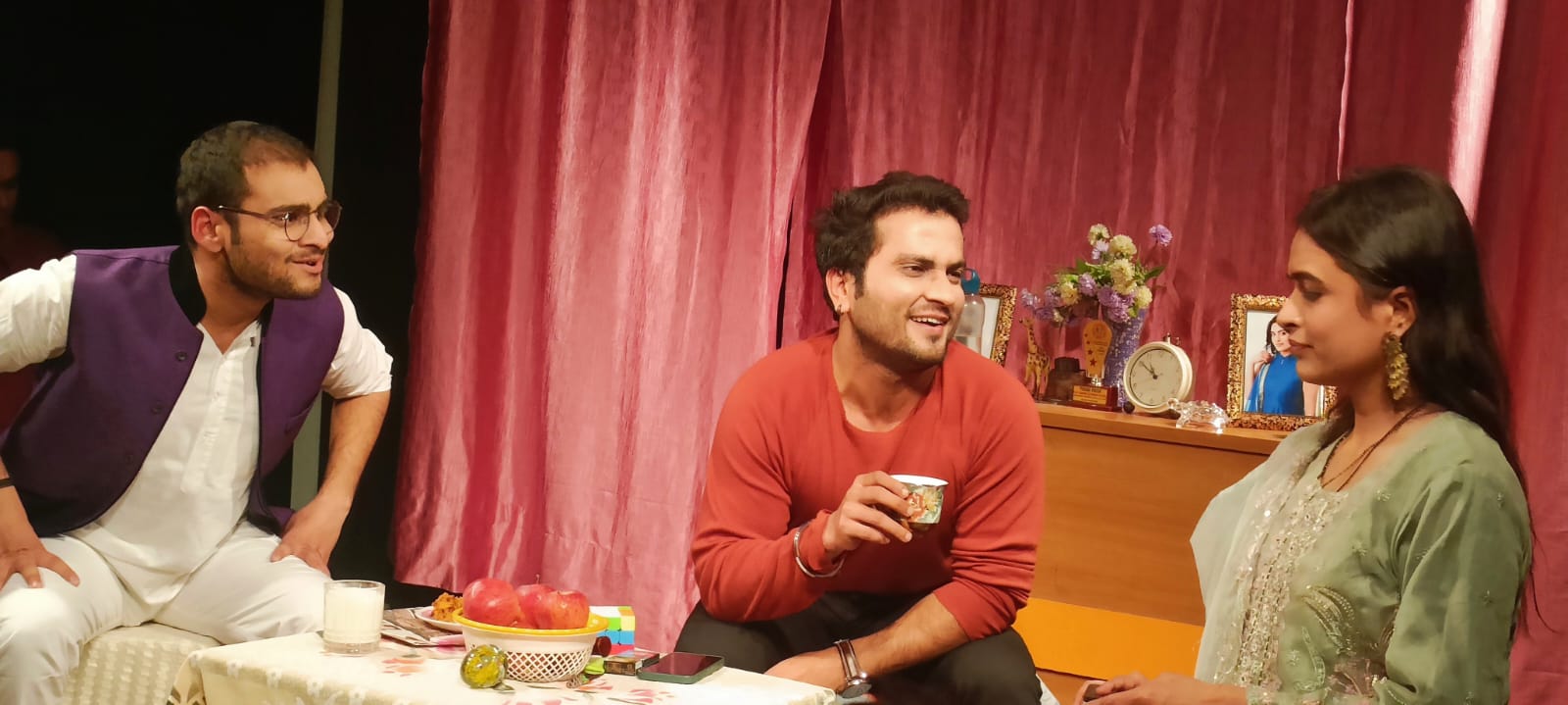
The ensemble cast contributed meaningfully to the production’s overall impact, delivering performances marked by sincerity and dramatic conviction.
Bhanu Pratap Singh, portraying Yayati, brought a commanding presence to the stage, effectively embodying the authority and emotional detachment of the character. As Marich, Gaurav Verma delivered a composed and convincing performance that added further texture to the dramatic narrative.
One of the strongest performances of the evening came from Vinay Kumar as Galav. He captured the character’s internal contradictions — his ambition, ego, helplessness, and moral confusion — with notable subtlety. His portrayal allowed the audience to witness the complexity of a man trapped between idealism and self-interest.
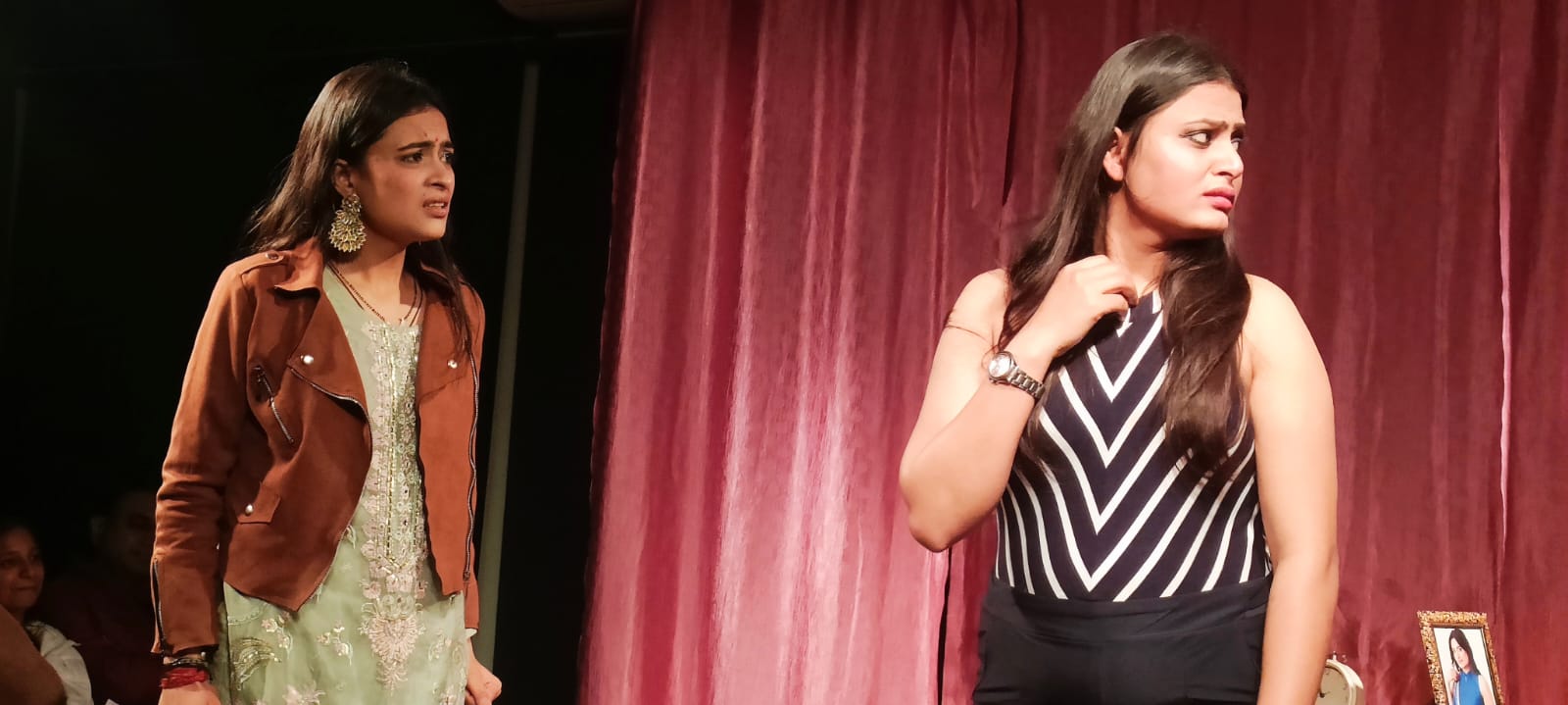
At the center of the production stood Paribhasha Mishra as Madhavi, whose performance became the emotional soul of the play. With extraordinary control and emotional honesty, she portrayed Madhavi’s suffering, resilience, vulnerability, and quiet defiance. Her expressions, pauses, and stage presence communicated layers of pain and suppressed strength, making the character deeply human rather than symbolic. Her performance drew the audience into Madhavi’s emotional world and remained one of the most memorable aspects of the production.
Javed Sameer, in the role of King Haryashch, added gravitas to the narrative, while Khilanand Bhatt as Raj Jyotish delivered his role with convincing authority.
Vidya Dutta, portraying the maidservant, contributed emotional realism to several scenes through a grounded and natural performance. Meanwhile, Himmat Singh Negi as King Divodas introduced moments of wit and playfulness that offered temporary relief from the emotional heaviness of the narrative. His energetic portrayal created a delicate balance within the dramatic structure.
As the Vidushak, Bilal Khan sustained the stage’s dynamism with confidence and expressive timing. Chirag Goyal, portraying Vishwamitra, delivered a performance marked by calm intensity and dignity, lending the character a powerful spiritual and philosophical presence. Ankit Sati, in the role of Tapas, also played his part with sincerity and effectiveness.
🎼 Technical Elements That Strengthened the Narrative
The technical execution of the production complemented the performances beautifully and contributed significantly to the immersive quality of the play.
Rahul Chauhan’s lighting design skillfully shaped the emotional atmosphere of each sequence, using light and shadow to heighten tension, isolation, and introspection.
The background score composed by Rajesh Pathak enriched the emotional landscape of the production, subtly reinforcing the mood without overpowering the performances.
Equally noteworthy was the makeup design by Ravi Parcha, which enhanced the visual authenticity of the characters and supported the period setting of the play.
💭 A Production That Leaves a Lasting Impact
More than a theatrical adaptation, “Madhavi” emerged as a mirror to society’s enduring power structures and gender inequalities. The production compelled the audience to reflect on the emotional cost of sacrifice imposed upon women and the systems that continue to celebrate such suffering as virtue.
With its layered storytelling, emotionally compelling performances, thoughtful direction, and strong social relevance, the play succeeded in creating a theatrical experience that was not only artistically engaging but also deeply unsettling in the most meaningful way. “Madhavi” lingered in the minds of its viewers long after the curtains fell, reaffirming the enduring power of theatre as a medium of social reflection and emotional truth.