Playwriting for Children

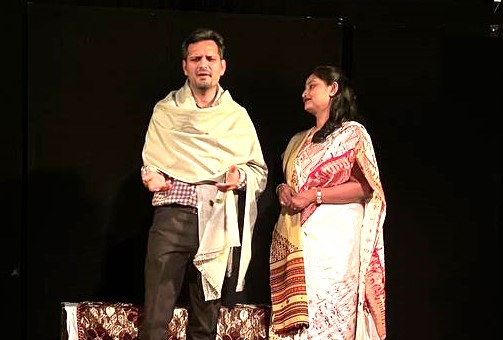
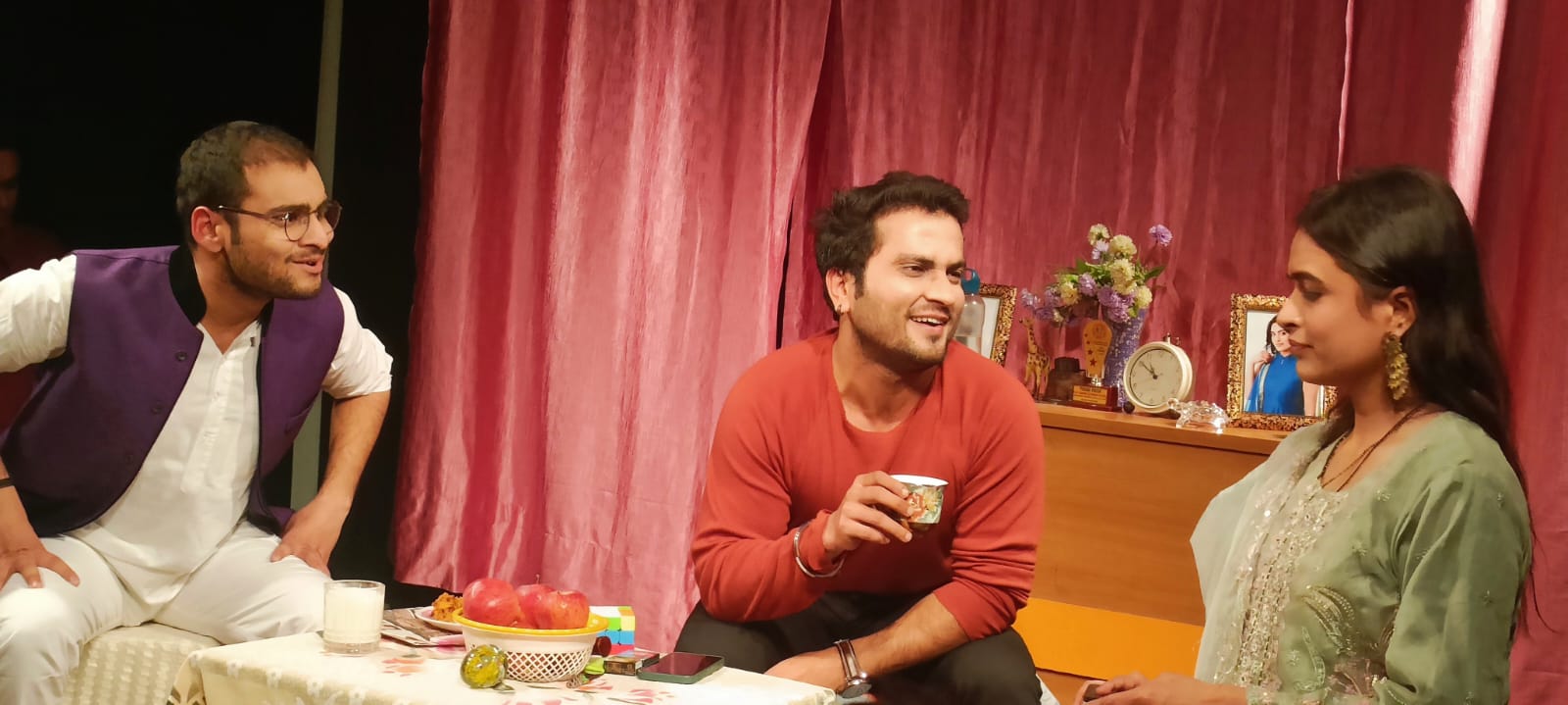
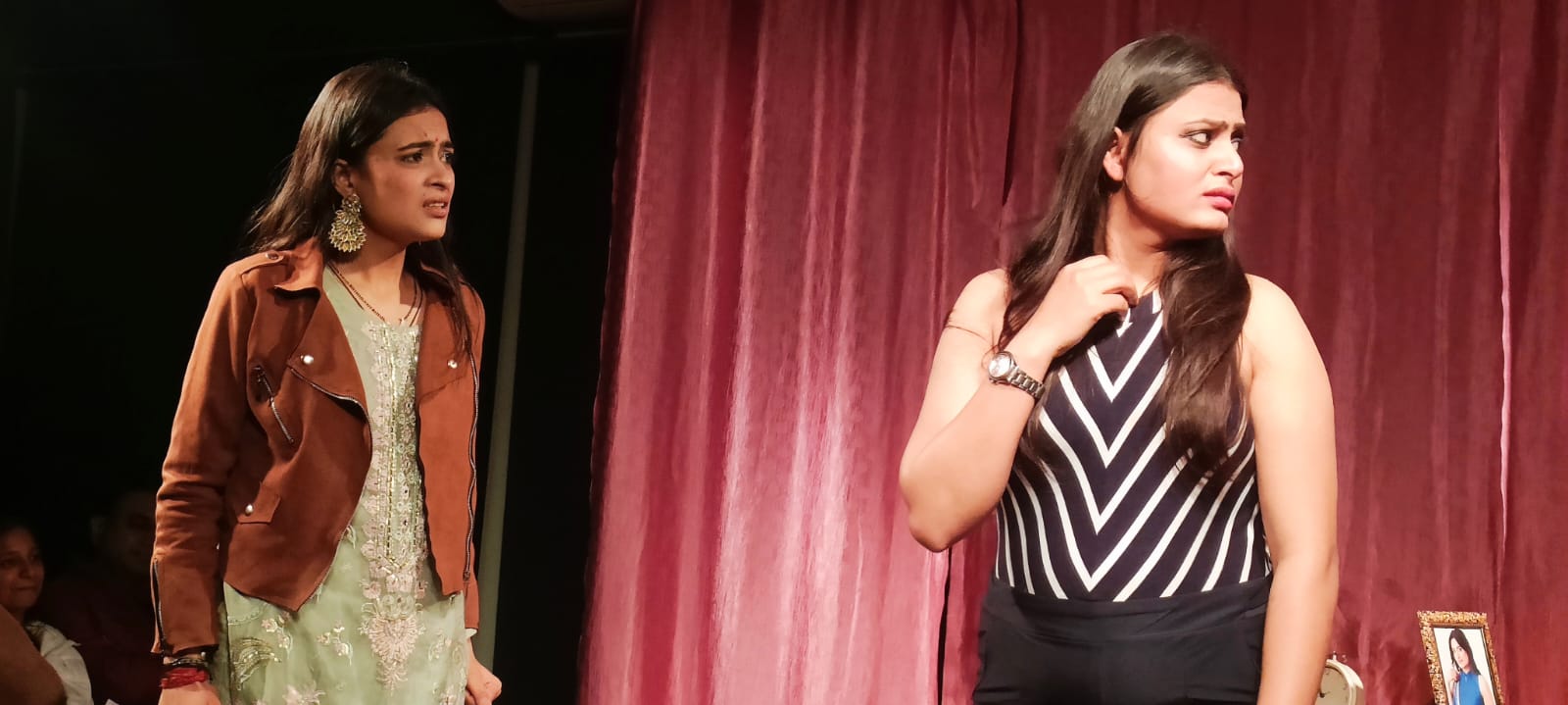
Children Performing

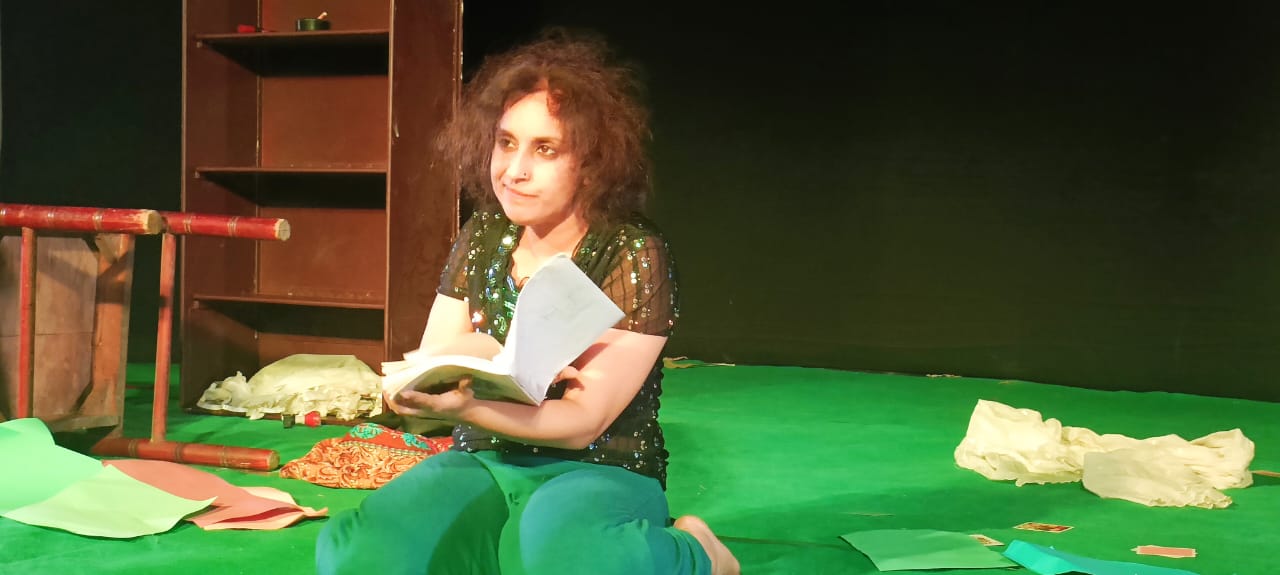
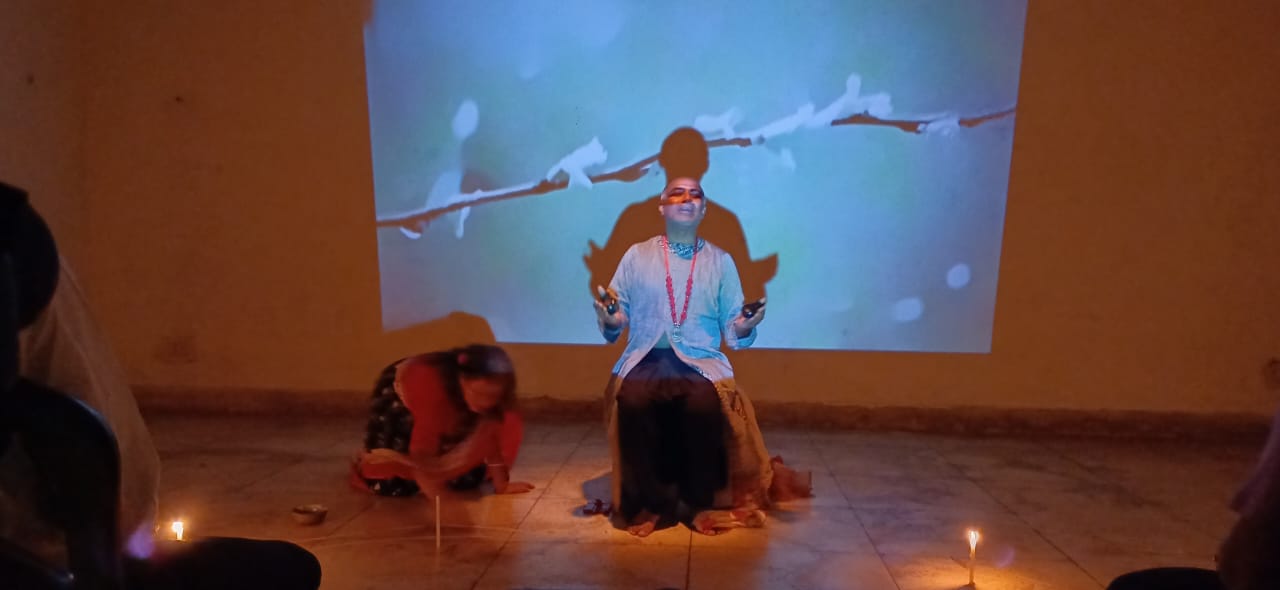
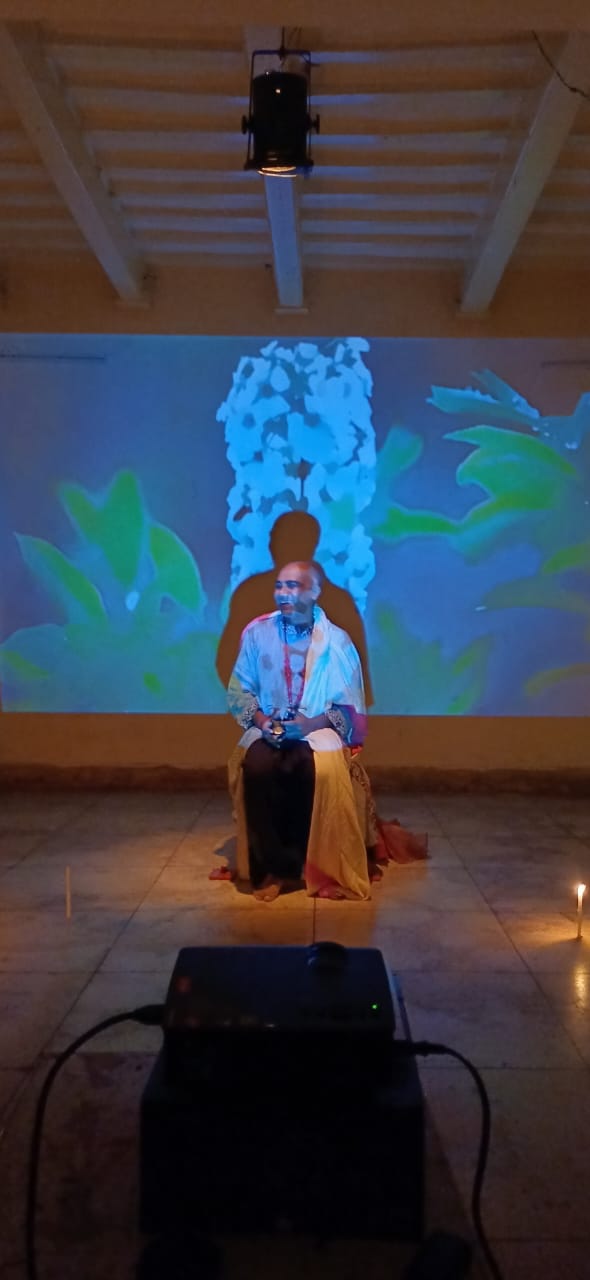
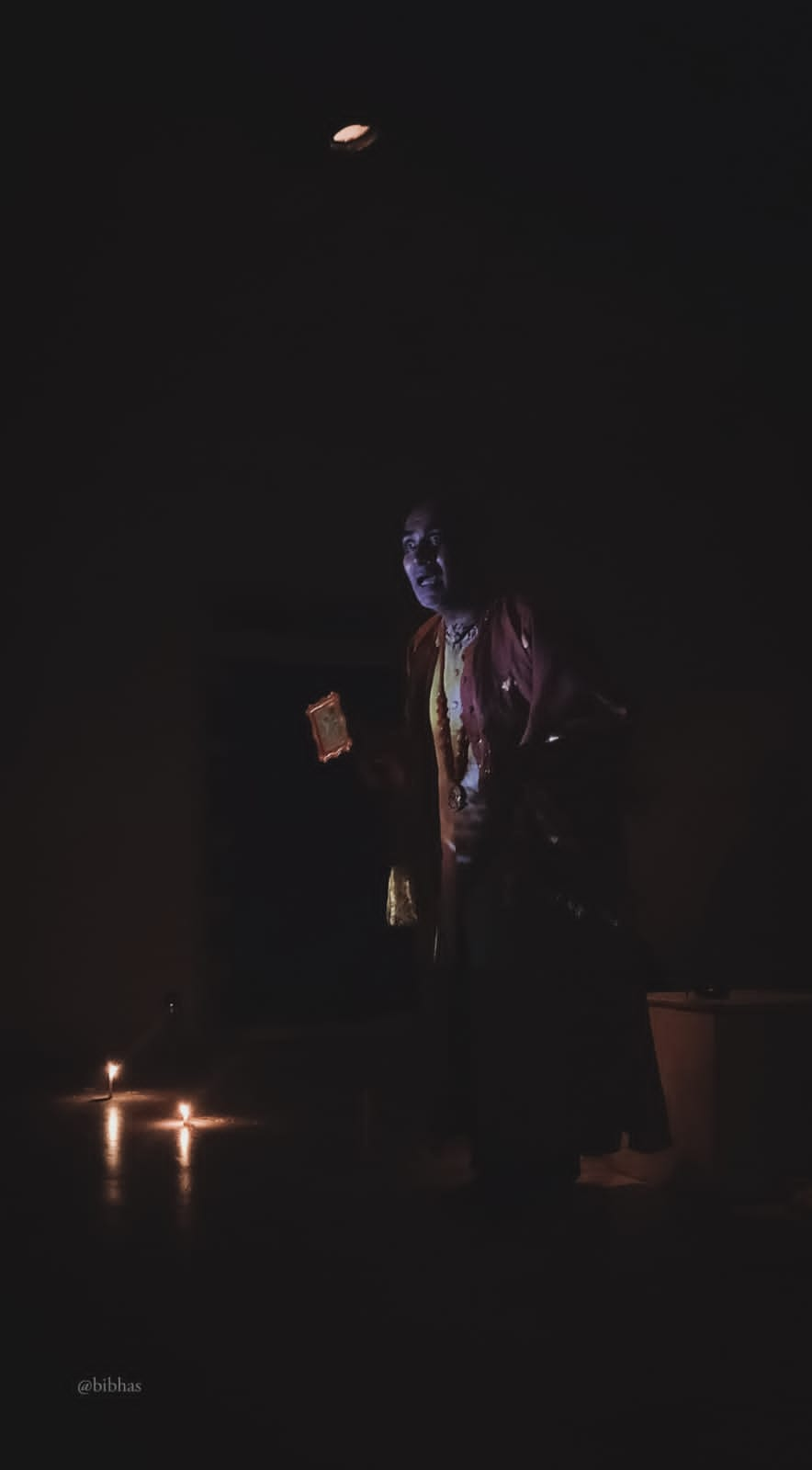
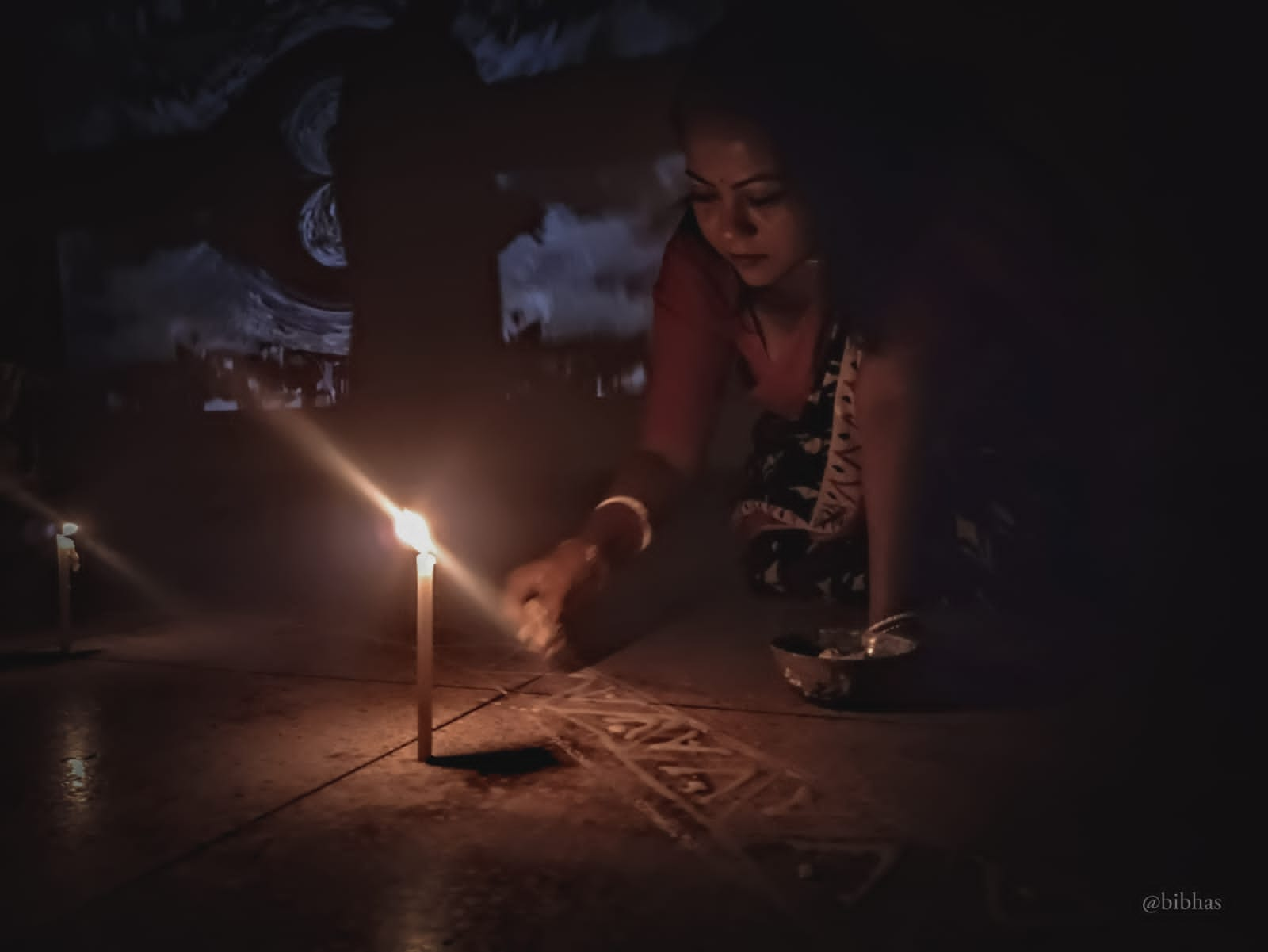
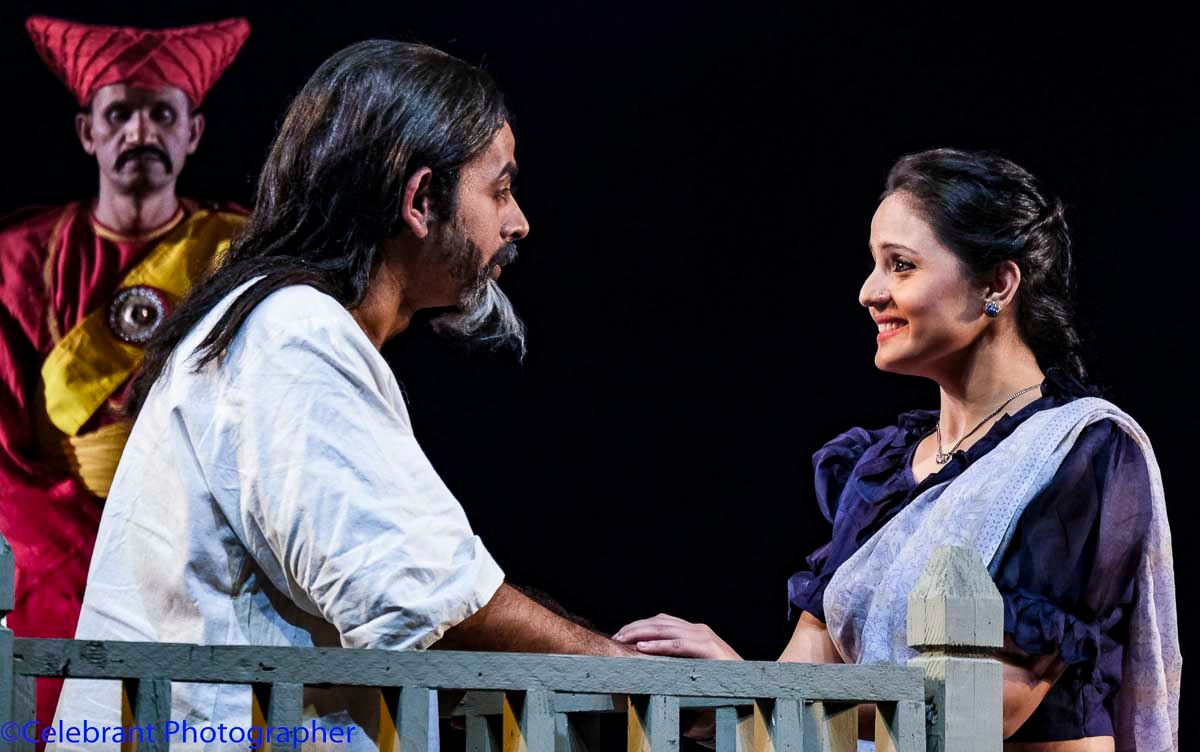
Its 2017, a time to retrospect in the new year and yet bask in the old. I was rummaging through my old files on the internet and came across a few plays I had written for children. It was both enlightening and amazing to see the play across the screen, I re read them renewed interest…yes they spoke…I could see the language across the stage, the actors and the magical sets with the green yellow hues across the stage and the twinkling lights. Each one of the childrens’ plays that had been written by me made sense to me and the actors. It made me wonder if they were worth publishing and whether it would be liked by others. I was just not sure, since such few plays are actually published and find their way into the market.

So essentially what makes a good play script for children? What makes it “tick”? What will create an market for the scripts to be published. This reminds me an incident that made me realize what “ not to do “ in a children’s play.

In my early years of my career as a theatre person I was teaching drama for children between the kids of 8-14 in a prestigious school in Gurgaon. The principal, a very uptight and proper person requested me to write a script on Mother’s day. I was excited since I really had not written much before it would be challenging to write something that was interesting enough to watch. I decided to write a script set in contemporary Urban India, a place like Gurgaon and then use an ancient time period as the main episode in a flashback. So I decided to show the changes in time by changes in the way we speak English. After much deliberation I decided to use slang and words like “ cool” “ dude” “ yaar” etc in my script. I thought I had created a masterpiece. Actually I was quite delighted.

I was surprised that the principal called me to her room, I was confident that she had liked the script so much she wanted to congratulate me in person. As soon as I walked in, she seemed a trifle upset and set the script before me. I was shocked to see my entire script covered in huge red circles. Cuts and cross marks all across the page. It looked like my the results of class tenth maths exam paper. Each of my contemporary words had been circled and crossed out. I was indignant..all I could say was “ why…”. She sternly told me how improper my English was and how I could no use such words. She insistent that I choose not to use any colloquial language in my script since “ it would spoil the vocabulary of the children.” I tried to reason out with her that since the play was set in urban Gurgaon the actors had to use such words. But my protests was put down by her adamant refusal to see reason.

That incident made me realize that something was wrong in the way people understood children’s scripts. They read it through the spectacles of an adult and forget that they are first and foremost plays meant for young actors. Hence plays written for children need not follow rules of grammar and conventional usage of speech. Neither they need to make sense, for example, in the musical Wizard of Oz, the girl is thrown a tornado and her whole house is lifted in it. Charlie and the Chocolate factory we see Agustus Gloop being thrown into the rubbish bin by squirrels. All they need to be is appealing to the child and the adult viewer. They need to interesting! In all my plays that I have written for kids, I have only kept the child in mind and shall continue doing so

I would like to end this by only giving the 10 golden pointers to be kept in mind while writing children’s plays.

1) Do not be afraid of using contemporary language and one can even throw in few phrases in Hindi, if the need be. Make it Hinglish if you want.

2) Children love comedy. They might not have the same taste as adults and might find things like “ farting” “ throwing up” comic. Add them to the script, they just add to the flavour. Please do not become prudish.

3) Another thing that fascinates children is the idea of mystery and surprise, you can use them too.

4) One should avoid, small sentences. We sometimes like to say a lot when we try and explain things. For eg. If a child has to say, “ ma I will back soon.” He can say, “ ma I will be back soon…please don’t die worrying don’t go out me and ringing up all the neighbours and searching for me all over the block. I will be back by 7 and that’s a promise!”

5) Do not worry about repeating yourself. For eg. Son says, “fine”. It can be; son says, “ fine ma…ma fine…are you listening FINE!”

6) Do keep it in mind that adults will also watch your show, so you can throw punches at them which might make them laugh. For eg. Son: Ma, why do all mothers have to say that you must eat dal, roti chawal…why can’t they say we will make healthy home made pizzas for dinner tonite! OK I DONT MIND EATING A DOUBLE CHEESE PIZZA WITH BROCOLLI TOPPING!!!

7) Don’t be eager to finish the script in 3 pages, any good script should be at least 10 pages long, 12 font roman single spaced.

8) Dont forget minor characters…please don’t make children into trees and make them wave their hands in the air doing nothing, make it interesting like a “ old white haired talking tree” or a “ saucy sarcastic cactus”.

9) Do add a song or a jungle or some silly rhymes they make the script more readable and watchable.

10) Last but not the least, enjoy the task…and forget daunting principals…goodluck!!!


Folk Theatre of India: Nautanki

Everything that makes Indian Theatre more special | IWMBuzz

Nautanki is one of South Asia’s most famous folk theatre performances, especially in northern India. Nautanki was the most significant source of entertainment in most of the cities and villages in north India.​1​ Nautanki’s rich musical compositions and humorous storylines hold a strong influence over rural people’s imagination. Nautanki, also known as svang, originated in the late 19th century in Uttar Pradesh and steadily gained popularity.​2​ Nautanki’s origins lie in the Saangit, Bhagat, and Swang musical theatre traditions of Northern India. One Saangit called Saangit Rani Nautanki Ka became so popular that the whole genre’s name became Nautanki.​1​

File:DevendraSharma SultanaDaku.jpg - Wikimedia Commons

Nautanki performances can be performed anywhere where some space is available that can accommodate a few hundreds or thousands of people. Sometimes this place is made available by village Chaupal or the village community centre.​3​ Other times the school playgrounds can also be used as a performance site. A Nautanki stage is usually elevated and is made up of wooden cots that the local villagers generally provide. A few decades ago, since there was no electricity in Indian villages, the light was provided either by giant lanterns or Petromax, a device run by kerosene oil. Traditional Nautanki performances usually start late at night and go until dawn the next day without any intermission.​4​

North Indian Folk Theatre - Nautanki - Melodramatic rendition of popular or  historical tales accompanied by musical sco… | North indian, The  incredibles, Orchestras
India: Rangapat Theatre's "Dharmashoke": A New and Fresh Look into  His/Herstory | The Theatre Times

Traditionally storylines of nautanki performances were inspired from folklore or are sometimes based on mythological themes, stories of contemporary heroes etc.​3​ For example, nautanki plays such as Bhakt Moradhwaj and BSatya-Harishchandra are based on mythological themes, whereas Indal Haran and Puranmal originated from folklore. ​2​Pandit Ram Dayal Sharma, a renowned Nautanki maestro and Dr Devendra Sharma have co-authored many new Nautankis.​2​ These recent Nautanki performances focus primarily on social messages such as health, women’s empowerment, dowry etc. These issues generate awareness among the poorer sections of society and create a sense of togetherness. It brings locals together to stand against the atrocities of the community and fight for their rights.

Bidesia" - The Folk Theatre of Eastern India | The Theatre Times

Nautanki was introduced in America by Dr Devendra Sharma, a Nautanki artist, singer, writer and director. The participants in his nautanki performances are usually engineers, doctors, and other Indians living in America, who are given a rare opportunity to connect with their cultural roots.​2​ At the same time, these performances have exposed other communities in America to Indian culture.
Nautanki has undoubtedly been a valuable part of our hearts and will survive in the future and flourish in multiple contexts to secure a special place in our culture.

_________________________________
Independent Project by Sezal Chug
Guide: Prof. Manohar Khushalani
__________________________________

  1. 1.
    devnautanki H. devnautanki. A Brief History of the Nautanki Performance Tradition. http://www.devnautanki.com/about_history.html

  2. 2.
    the free encyclopedia W. Nautanki. Wikipedia. https://en.wikipedia.org/wiki/Nautanki

  3. 3.

  4. 4.
    sahapedia S. shades-nautanki-north-indias-operatic-theatre. sahapedia. https://www.sahapedia.org/shades-nautanki-north-indias-operatic-theatre


Folk Theatre of India: Yakshagana

Hidimba Kalyana - Yakshagana Part I 2019 - YouTube

Yakshagana is a traditional folk art developed in the western parts of Chikmagalur districts in Karnataka and Kasaragod district in Kerala. Yakshagana comprises music, dance, theatre, costumes, and makeup with a blend of unique style and forms.​1​ It is said to have evolved from pre-classical music forms and theatrical arts during the Bhakti movement. Yakshgana is referred to as ‘Thenku thittu’ towards the south from Dakshina Kannada to Kasaragod in Tamil Nadu, whereas it is referred to as ‘Badaga Thittu’ north of Udupi.​1​ Both of these forms are equally played all over the region. Yakshagana is inspired by ancient Hindu literature like Ramayana, Mahabharata, Bhagavata and other Hindu and Jain epics. Yaksha-gana means the song (gana) of a Yaksha. Yakshas were an exotic tribe mentioned in Sanskrit literature.​1​

Yakshagana is a product of the Vaishnava bhakti movement, which originated in southern India from the fifth to the seventh centuries. It emphasizes the love and devotion for Lord Vishnu as the chief means for spiritual perfection.​2​ Existing folk music and dances were adopted to create new performing arts to spread and propagate the message of love and devotion among the common folk. Yakshagana is also a result of this blend of existing dance and drama.

Let muktesaras run Yakshagana Mela: Karnataka HC | Deccan Herald

A Yakshagana performance usually consists of background music played by a group of musicians and percussionists, also known as the himmela and a dance and dialogue group known as the mummela, who together enact poetic epics on stage.​1​

Yakshagana Bayalata (Open-air Field Drama) “Mahishasura Mardhini” – A true  physical sensation!!

In the early 19th century, Yakshagana began to see a significant change from its traditional strict forms. Practitioners of the day produced several new compositions. The early 20th century saw the birth of ‘tent’ troupes, giving performances to audiences admitted by ticket only. Gas lights were replaced with electrical lights, seating arrangements improved, folk epics and fictional stories formed the modern thematic base of the discipline.​3​
The Yakshagana form that we witness today results from a prolonged evolution that drew its essence from ritual theatre, temple and secular arts, and the artists’ imaginations—all interwoven over several hundred years.​3​

_________________________________
Independent Project by Sezal Chug
Guide: Prof. Manohar Khushalani
__________________________________

  1. 1.
    wikipedia Y. Yakshagana. wikipedia. https://en.wikipedia.org/wiki/Yakshagana

  2. 2.
    karnatakatourism yakshagana. yakshagana. karnatakatourism. https://www.karnatakatourism.org/destinations/yakshagana/

  3. 3.


Folk Theatre Forms of India: Tamasha

Tamasha is considered a major traditional dance form of the Marathi theatre, which includes celebration filled with dancing and singing and is performed mainly by nomadic theatre groups throughout the Maharashtra region. The word “Tamasha” is loaned from Persian, which in turn loaned it from Arabic, meaning a show or theatrical entertainment.​1​ In the Armenian language, “To do a Tamasha” means to follow an exciting and fun process or entertainment. Unofficially, this word has come to represent commotion or display full of excitement.​1​ The traditional form of Tamasha was inspired by a lot of other art forms like Kathakali, Kaveli, ghazals etc.

The region of Maharashtra had a long theatrical tradition, with early references to the cave inscriptions at Nashik by Gautami Balashri, the mother of the 1st-century Satavahana ruler, Gautamiputras Satakarni. The inscription mentions him organizing Utsava’s a form of theatrical entertainment for his subjects.​1​ Tamasha acquired a distinct form in the late Peshwa period of the Maratha Empire and incorporated elements from older traditional forms like Dasavatar, Gondhal, Kirtan etc. Traditional Tamasha format consisted of dancing boys known as Nachya, who also played women’s roles, a poet-composer known as Shahir, who played the traditional role of Sutradhar, who compered the show. However, with time, women started taking part in Tamasha.​2​

Marathi theatre marked its journey at the beginning of 1843.​3​ In the following years, Tamasha primarily consisted of singing and dancing, expanded its range and added small dramatic skits known as Vag Natya.​3​ These included long narrative poems performed by the Shahir and his chorus, with actors improvising their lines. There are two types of Tamasha dance forms: dholki bhaari and the older form known as sangeet baari, which contains more music and dance than drama.​4​

The government of Maharashtra has instituted annual awards in the memory of the late Vithabai Narayangavkar Lifetime Achievement Award for those who had extensively contributed to the preservation of the Tamasha Art form throughout the world.​1​

_________________________________
Independent Project by Sezal Chug
Guide: Prof. Manohar Khushalani
__________________________________

  1. 1.
    encyclopedia wikipedia. wikipedia. Tamasha. https://en.wikipedia.org/wiki/Tamasha

  2. 2.
    encyclopedia britannica. tamasha. tamasha. https://www.britannica.com/art/tamasha

  3. 3.
    tourism maharashtra. tamasha. maharashtratourism. https://www.maharashtratourism.net/culture-lifestyle/dances/tamasha.html

  4. 4.


Schedule: 21st Bharat Rang Mahotsav Feb 2020

If you are at wits end on which play to see, just check out the preview in this E-Mag itself (www.stagebuzz.in), under the Category: Theatre


Godava and Shruti’s Play: A Case of Clairvoyance or Executing Miss K

Dramaturge: Godavar & Shruti
Director: Shruti
Group: NSD Student Diploma Production, New Delhi
Lang: Hindi
Duration: 1 hr

The Play
K, a gender queer writer living a reclusive life with his brother, is visited one evening by two police officers. In the Kafkaesque interrogation that follows, K finds that the police has resorted to Orwellian measures – it has hacked K’s Wog to discover their whereabouts. The subsequent interrogation is an attempt to determine the connection between K’s stories and two murders, although other motivations flit around like shadows telling their own tales – and foretelling K’s destiny. A Case of Clairvoyance or Executing Miss K is a sketch of the questions that need to be asked, rather than those asked – and perhaps answered during K’s interrogation. Questions also surface from the palimpsest of memories unravelled through the interrogation and K’s stories. The play is presented as a dystopian drama inspired by Martin McDonagh’s The Pillowman, Franz Kafka’s The Trial, the works of Jorge Luis Borges, and colloquial folk narratives, besides drawing from the vast pools of real life incidents. Its production also digs deep into various traditions of storytelling thus paying homage to a long, rich literary history.

Director’s Note
The title of this play is a reverent salaam to the various tropes and traditions that have enriched and informed our worldview and gone a long way in lending flesh and blood to the characters whose lives we trace through our play. It highlights the theme of foreknowledge, which is woven multi-ply into our narrative. The play’s title also underscores the perception of our protagonist, K, by the State, as a delinquent needing to be silenced. In Brechtian sense, the title foreshadows the play’s conclusion, but leaves us wondering as to the whys and the wherefores of the impending execution.

The Director
Founding Director of The P[ART]licle Collective, a multidisciplinary artists collective, Shruti is an English (Hons.) graduate (gold medallist) from Delhi University, a Postgraduate-Diploma holder in Acting (gold medallist) from Jamia Milia Islamia University, and a graduate in Dramatic Arts with specialization in Direction from the National School of Drama, New Delhi. She also holds a Senior Diploma in Hindustani Classical Music (vocal) from Prayag Sangeet Samiti (Allahabad). With an amateur and professional theatre background spanning eight years and over twenty productions, she has donned the hats of an actor, director, designer, as well as significant managerial posts for which she has been awarded at various events and competitions. She has appeared in cameo roles in full-length feature and short films.

Dramaturg
Godavar, formally known as Raghuram S Godavarthi, is a writer focusing primarily on poetry and stage plays, with one published collection of poems to his credit (A Turn of Poetry, Brown Critique-Sampark, 2013). As a student at the University of Alabama in Huntsville in the USA, he participated extensively in amateur theatre, writing, adapting, and translating – as well as directing (and acting in) as many as 12 productions (4 full-length) between 2006-2010 in Hindi and English. He lives with his family on the outskirts of Mumbai.

The Group
This play is a part of National School of Drama’s graduate showcase of class 2019. It aims to provide a platform to encourage emerging theatre practitioners to share their work with a wider audience.

Cast & Credits
K Aditi Arora
K’s Alter Ego Yashaswini R.
Tilottama Tukaram Aditi Arya
Abhigyan Atmaram Salim Husen Mulla
Taher K. Kamm Sayan Sarkar
Chorus Ayush Awasthi, Indra Bhushan, Vishesh Bajpai, Deepan Singh, Himanshu Pal, Sachin Jha,
Arpit Chauhan

Associate Director & Light Designer Greeny Francis
Art Director Argha Kamal Ganguly
Associate Art Director Shiv Swaroop
Documentation & Media Designer Amresh K. Anand
Movement Director Yashaswini R.
Live Music Ramesh Hembrams
Abhishek Kaushal
App. Developers Immersive Stories Pvt. Ltd
Costume & Make-up Abhilasha B. Pout
Stage Manager Arpit Chauhan
Floor Manager Sachin Jha
Production Assistants Akshay Singh, Animesh Barman
Scenographer Shruti

Dramaturg Godavar
Co-Dramaturg & Director Shruti

Contacts
Shruti
M: +91 9650555377
E: shruti.officialid@gmail.com


Binod Sharma’s Play: Murta Murta Neel Dipali

Playwright & Director: Binod Sharma
Group: Gandharba, Guwahati
Language: Assamese
Duration: 1 hr 45 mins

The Play
The play is based on the lives of the acclaimed Assamese singer Dipali Borthakur and fine artist Neel Pawan Baruah. The couple had lived a life of eternal love. The conjugal bliss of the couple was plagued by a rare motor-neuron disease that Dipali Borthakur had been suffering from before her marriage. After the demise of Dipali, Neel Pawan is left in solitude with an array of memories of his beloved wife. A journalist visits Neel Pawan for an interview and Neel Pawan speaks about his beloved wife Dipali, their heavenly love and life. He speaks what his art is all about, remembers great artists and eminent persons of all times for their contribution to their specific fields of work. Neel Pawan Baruah, the son of a great Assamese poet Binanda Chandra Baruah, recollects his childhood. He tells how he was fascinated towards fine arts since he was a child. The play showcases the achievements earned by both the artists in their specific fields.

Director’s Note
I have designed the play to ensure lucidity in different sequences while the scenes are being enacted by artists. A child born in Sonari of Sivasagar, a small place in the eastern part of Assam, comes in touch with the greatest contemporary artists of her time in Assam and India, and struggles throughout her life to uphold the interest of the masses in the matured stage of her life through her songs and in the long run, makes a name for herself. The characters are given original touches through their dialogues, behaviour and costumes. In many of the scenes, indigenous folk art forms are used to choreograph stage blocks.

The Director & Playwright
A graduate of NSD, Binod Sharma is currently working in theatre and films, acting and directing plays for Gandharba, a Guwahati (Maligaon) based institute of acting and music. He has had acting experience under reputed directors like Kirti Jain, Ram Gopal Bajaj, Devendra Raj Ankur, M K Raina, Anuradha Kapur and Raj Bisaria. He has worked as an actor in NSD Repertory and as an instructor in camps across the country. He has 25 plays to his credit as a playwright. Binod has received training at Kanhaiyalal’s theatre camp in Manipur. He is the founder secretary of Antaranga Natya Gosthi, Assam’s Mirza-based drama group.

The Group
Gandharba is an acting and music institute based at Boripara, Maligaon in Guwahati which was founded in 2004. It has been imparting lessons to students on music, acting and fine arts, and conducting workshops on drama including that of NSD, and pursuing research works on folk culture. Gandharba’s recent production Murta-Bimurta Neel-Dipali has been successfully staged at Baan Theatre in Tezpur, at Shankardev International Auditorium at Kalakshetra in Guwahati, and at Jonaki Kareng Naat Utsav, Nalbari in the state of Assam.

Cast & Credits
Neel Pawan Baruah (Young/Old) Jagadish Deka
Neel Pawan Baruah (Child) Suraj Das
Dipali Borthakur (Child) Harshita Das
Dipali Borthakur (Young) Dipannita Das
Dipali Borthakur (Old) Santana B Thakuria
Nabakanta Baruah Chandra Shekhar Choudhary
Tribeni Jha Bulen Bharali
Bhaben Borthakur Pradyut Bikash Das
Mukul Baruah Dhiraj Mazumder
Nirmal Prabha Bardoloi Chandamita Goswami
Rudra Baruah Dhrubajyoti Kumar
Dipika Borthakur/ Jonali Nilakshi Sarma
Sunil Pawan Baruah Prasanta Kumar Das
P.C. Goenka Gautam Kumar
Journalist Bhupen Deka
Rikshawala Hirendra Kumar Pathak

Light Dimpal Das
Music Arnab Bashistha
Projector Himjyoti Baishya,
Voice & Vocal Dr. Amarjyoti Choudhary, Hiranmoi Goswami, Bhaskar Jyoti Acharya & Rinki Thakuria Kumar
Costume Bishwajyoti Misra & Pankaj Kalita
Make-up Tibrajyoti Boiragi
Set Design Manik Kakati/Mintu Bhuyan
Concept & Design Dhrubajyoti Kumar
Asst. Director Akhilesh Hazari

Playwright & Director Binod Sharma

Contacts
Director, Gandharba (Acting and Music Institute)
Boripara, Maligaon, Guwahati, P.O. Pandu
Dist. Kamrup (Metro) Assam 781012
M: +91 9864133245, 9365343195
E: gandharba2004@gmail.com


Girish Karnad’s Play: Bhanga Bhanga Chhobi

Playwright: Girish Karnad
Translator: Srotoswini Dey
Director: Tulika Das
Group: Kolkata Bohuswar, Kolkata
Language: Bengali
Duration: 1 hr 10 mins

The Play
The play opens with Manjula Ray in a television studio, giving one of her countless interviews. Manjula is a successful Bengali writer whose first novel in English has got favourable reviews from the West. She talks about her life and her darling husband Pramod, and fondly reminisces about Malini, her wheel-chair bound sister. After the interview, Manjula is ready to leave the studio but is confronted by an image. Gradually Manjula starts unfolding her life showing two facets of the same character. The conversations between the character on stage and the chhaya-murti go on and Manjula peels layer after layer, revealing raw emotions and complexities of the relationship between Manjula, Promod and Malini. We can relate to both Manjula and Malini… all of us being flawed in some way or the other, and that’s what makes us human.

Director’s Note
I wanted to explore the text of Girish Karnad’s Broken Images with my own understanding of Manjula, the lady portraying two facets of the same character. Despite all her shortcomings and flaws, she did not degenerate into a stereotypical vamp. Although she had made unforgivable mistakes, wasn’t there enough reason for her to exercise duplicity and betrayal? I found myself asking this question and wanting to see the larger picture through another prism. It has taken years for the Bengali stage to come up with an adaptation of the 2004 play. The Bengali translation by Srotoswini Dey Bhanga Bhanga Chhobi helped me to stage it. Theatre, I feel, should not be just entertainment. It should encourage a bit of soul searching too. I am thankful to Mr. Karnad, Srotoswini and the team of Bhanga Bhanga Chhobi of Kolkata Bohuswar to help me do just that.

The Director
Tulika Das is an actor and director of Kolkata Bohuswar. After her M.A. in Theatre, she joined Bohurupee and acted in several plays under the direction of Kumar Roy and also directed four plays, which received a lot of appreciation. In Kolkata Bohuswar, she directed Choturthir Jor, Bhanga Bhanga Chhobi, Agnipaak and Anandamath. Tulika is working with under privileged children and young adults, using theatre as a tool to build their capacity to overcome the barriers around them. She is actively involved in Human Rights movement of people with disabilities.

The Translator
Srotoswini Dey, M.A., MPhil, is an Assistant Professor of English Language in a college of West Bengal. She is a theatre lover and is trying her best to enrich the Bengali theatre through the translation of scripts of famous playwrights who have written in other Indian languages. She has also published a book Re-reading of Vijay Tendulkar’s Ghasiram Kotwal: a Critical Study of Vijay Tendulkar.

The Group
Kolkata Bohuswar was established in January 2017 in order to create and promote innovative theatre. The word ‘Bohuswar’ means a collective of different kinds of voices. True to its name, Bohuswar is home to individuals of different ages, genders, religious identities and places of residence. The group has produced the play Choturthir Jor, based on a story by Ismat Chugtai (selected for 8th Theatre Olympic), Bhanga Bhanga Chhobi, based on Girish Karnad’s Broken Images (selected for 21st BRM), and Agnipaak, based on a play by Mahesh Dattani. The group had organised a November theatre festival (2018) along with a theatre workshop for young theatre workers with Ruchika theatre group, Delhi. The group facilitates inclusive theatre workshops for the under-privileged children in the rural areas of West Bengal.

Cast & Credits
On stage Sukriti Lahori Sinha, Piyali Guha Roy, Tulika Das

Off stage Mayukh Dutta, Monomita Chaudhury, Rashmi Natua, Sampreeti Chakraborty
Sumita Basu, Biswajit Roy, Arka Ranjan Bhattacharya, Tanmoy Das, Bobby
Kar, Arko Roy, Tapas Roy, Indrajit Mukhoty
Music Kalyan Sen Barat
Set & Light Gagandeep
Make-up Piali Samanta

Playwright Girish Karnad
Translator Srotoswini Dey
Director Tulika Das

Contacts
Kolkata Bohuswar
18, Deodar Street, Kolkata- 700019
West Bengal
M: +91 9830262165, 9830872209
E: bohuswar.kolkata@gmail.com
sukritilahori@gmail.com


Sheshpal Singh’s Munshiganj Golikand urf MookBalidaan


Playwright: Sheshpal Singh ‘Shesh’
Director: Atamjeet Singh
Group: Individual, Lucknow
Language: Awadhi
Duration: 1 hr 40 mins

The Play
In 1886, the British made the Avadh Rent Act and implemented it. In the Act, the Kings and Talukedaars got the right to collect Rent. Since their tax collection was arbitrary, the poor farmers opposed this recovery and under the leadership of Baba Ramchander, this movement spread in the districts of Rae Bareli, Barabanki, Sultanpur, Pratapgarh and Faizabad. Baba Janaki Das took over from Baba Ramchander, and was later captured along with his companions and put in the Rae Bareli Jail. Till then the Kisan Sabha had been formed. In 1920 farmers gathered in Munshiganj, across the Sai River, to free their leaders from jail. The farmers were fired on and hundreds of them were killed. Pandit Jawaharlal Nehru came to Rae Bareli to meet the farmers, and the District Magistrate took him into custody. The commissioner, Colonel Founteray, realizing the gravity of the incident of the Munshiganj firing, ordered the injured to be shot as well so that they do not become witnesses of the massacre. Some of the dead bodies were loaded into Ikka-Taangas and drowned overnight in the Dalmau Ganges River. For the remaining corpses, four big pits were dug in Munshiganj, and a hundred corpses each were buried in them. Munshiganj is also called the second Jallianwala incident.

Director’s Note
I had read about the Munshiganj shoot-out about 30 – 35 years ago, and the writer of our Nautanki, Sheshpaal ji, had also told me about it. Since then the design of staging it has been in my mind. Since this incident was from Awadh region, the idea was that it should be performed in Awadhi language. Since I have experimented in Nautanki area, I decided to get it written in Awadhi language. I asked Sheshpaal ji to take up the responsibility of writing which he gladly accepted. In this Nautanki, about 30 young artists have rehearsed with complete dedication. It was a difficult task for city artists to memorize dialogues in Awadhi but they did well. I think this is the first full-length Nautanki written in Awadhi language.

The Director
A theatre group Meghdoot was formed in 1974 in Lucknow by theatre lovers and young people. Atamjeet associated himself with this group right from its inception. It was under the aegis of Meghdoot that he acted in a number of plays. In 1977, Atamjeet Singh acted in Aala Afsar. The play was in nautanki form, written Mudrarakshash and directed by Bansi Kaul.
Later Atamjeet Singh started directing nautankis independently. He has directed around 20 Nautankis; some of these are Laila Majnu, Bhaand Charitram and Shaheed Bhagat Singh. Nautanki Baje Dhindhora urf Khoon ka Rang was performed in Bharat Rang Mohatsava. Apart from acting in a few movies and T.V. Serials, Atamjeet Singh has toured countries like Finland, Norway and Pakistan on theatre projects. He has been honoured by different institutions in India, and has been awarded an Honorary Diploma by International Amateur Theatre Association. In 2003 U.P. Sangeet Natak Academy also honoured him for his contribution in the field of theatre.

The Playwright
Sheshpal Singh ‘Shesh’ was born on 20th December 1958 in village Kasna, Dist. Raebareli
He has written and directed a number of plays and nautankis for various government and semi government offices of Uttar Pradesh. He has written full-length proscenium nautankis Shaheed Bhagat Singh and Bhand Charitram and staged them in Lucknow under the direction of Sri Atamjeet Singh.

Cast & Credits
Sootradhar/Ahelkaar/Grameen Sandeep Kumar, Saurabh Kumar Mishr
Munshi Kalika Prasad/Grameen Aditya Vishwakarma
Sootradhar/Ziledaar/Pagal Sujeet Singh Yadav
Mangloo/Durga/Grameen Shivakant Awasthi
Sheetlu/Binda/Grameen Manoj Singh
Grameen/Isri Kaka Adarsh Singh
Raja Veerpal Singh Gagandeep Singh
Raja Tiloi/Ram Narayan Ramesh Chandra Saini
Raja Rampal/Mayor/Grameen Ashutosh Jaiswal
Raja Arkha/Sherif Vinay Kumar Mishra
Raja Tribhuvan Devasheesh Misra
Sootradhar/Ziledaar/Grameen Subham Singh Chauhan
Gayika/Baandi Shreya Awasthi
Gayika/Grameen Pallavi Singh, Shubhra Pandey
Baba Ramchander/Kedar Pandit/Grameen Vikesh Bajpai
Siphai/Grameen Sarabjeet Singh
Siphai/Grameen/Daak Babu Abhishek Yadav
Amol Sharma Harsh Jaggi
Acchi Jaan/Gayika Supriya Chaterjee
Chaprasi/Grameen Ravindra Nath Yadav
Nasrullah Khan/Grameen Shubham Tiwari
Shivbalak/Badri Narayan/Grameen Shivam Singh
Gangadeen/Grameen Avinash Kumar Singh
Ram Awtar/Grameen Gaurav Dhingra
Baba Jankidaas/Grameen/Commissioner Abhishek Singh
Nehru Ji/Grameen Akshat Sunil

Stage Design Gagandeep Singh/ Manoj Singh
Stage Décor Abhishek Singh/ Ramesh Chanra Saini
Stage Property Aditya/Shubham/Shivakant
Rehearsal In-charge Devasheesh/Rozy Dubey/ Abhishek/Sujeet
Costume Karamjeet Kaur
Music Harsh Jaggi
Make-up Shaheer Ahmad
Harmonium Zubair
Nakkara Md. Siddiqui
Dholak Md. Imran
Light Assistant Nitish Bharadwaj
Light Design Devasheesh Misra
Dance Choreography Rozy Dubey
Presentation Controller Assistant Sujeet Singh Yadav
Presentation Controller Sarabjit Singh

Playwright Sheshpal Singh
Concept, Sound Design & Direction Atamjeet Singh

Contacts
H.No. 11 Lane No. 5,
Hans Nagar Colony,
Near Purana Para Thana,
P.O- Manak Nagar,
Lucknow – 226017
M: +91 9335313104
E: atamjeetsingh1949@gmail.com


August Strindberg’s Play: Babai

Playwright: August Strindberg
Adapter & Director: Ishita Mukhopadhyay
Group: Ushneek, Kolkata
Language: Bengali
Duration: 2 hrs 10 mins

The Play
Babai is a trans-creation of August Strindberg’s The Father. Taking inspiration from the original, playwright Ishita Mukherjee has adapted the play into an Indian locale and has given it a relevance to the socio-economic reality of today. The play is about an extremely complex relationship between a husband and a wife, which culminates when it comes to the question of the future of their only child. Not wanting to lose her custody over the child, the wife induces suspicion in her husband’s mind about him not being the real father, thus pushing the husband into an abyss of doubts, and taking over the household and making everybody believe that the husband’s sanity is under question. The husband, unable to bear this painful predicament, gradually loses his mind and in the end the family, under the vigilance of his wife, sends him to an asylum. The play talks about the eternal power politics between man and woman, state and religion, and society and individual.

Director’s Note
Strindberg’s The Father is considered as one of the finest naturalistic psychological drama. Often it is seen as a tragedy of a husband falling into the trap laid by his wife. As a woman director I have a different take on that. To me, Strindberg created sympathetic characters. He created a strong impression of male dominant society of his era which is quite relevant even today. To me, the wife is also a victim of patriarchy just like her husband is. The proof of fatherhood is instrumental to form a social-respectability which is inspired and instructed by the voice of patriarchy. I found that the play not only speaks about the gender politics but also speaks about the mistrust, unfaithfulness, loss of trust and the general lack of communication between man and society, society and politics, politics and religion, religion and concept, concept and individual.

The Director& Playwright
Active in Bengali theatre for more than three decades, Ishita Mukhopadhyay has created her place as an important theatre director of our times. As a director, she brings a sensibility in her work that is the result of her experience as a woman. She has well-formed views about group theatre, the economy of theatre and the challenges of being political in theatre. Over the years, Ishita Mukhopadhyay has directed a host of plays of which Ghar, Kamalkamini, Gawaharjan, Khela Bhangar Khela, Kallu Mama, Ora Tinjon and Agnijatak deserve special mention. Ishita has received numerous awards as the best director, some of which are Uttam Kumar Award, Pramathesh Barua Award, All India Critics Award, All India Women Association Award, Kalaratan Award and many more.

The Group
Ushneek was formed in 1984 by enthusiastic young theatre lovers and was registered in 1991. Till date Ushneek has produced 14 full-length plays, 5 one-act plays and 3 audio plays. Ushneek has participated in all the major theatre festivals in India like Nandikar Natya Utsav, Natya Academy Natya Utsav, Yuva Utkal International Festival, Sangeet Natak Academy festival, and 8th Theatre Olympics etc. Ushneek has travelled with its productions to almost all the major cities of India, not to mention the small towns. Besides staging plays Ushneek has also organised seminars and held workshops to enhance its capability to do better theatre. Ushneek has organised theatre workshops for mentally challenged children for two NGOs and has also worked with the male and female sex workers of Kolkata.

Cast & Credits
Professor Dipankar Bose Debshankar Halder
Doctor Samanta Subhasish Mukherjee
Maya Srijata Bhattacharjee
Mashi Chhanda Chatterjee
Mimi Arunika Dey
Dinu Thakur Prabir Dutta
Nakul Majhi Saptarshi Bhowmick

Light Designer Debabrata Sarkar
Music Ablu Bhattacharjee
Make-up Aloke Debnath
Set Designer Sanchayan Ghosh
Sound Operation Kalyan Sarkar
Crew Sujit Chotttopadhyay, Subhojit Bakshi,
Chitra Dey, Shreyashi Barua,
Ayan Debnath, Deepan Roy,
Parthosarathi Ghosh, Arnab Acharyya,
Sourav Ghosh Roy, Sushmita Halder,
Soumen Halde, Pinaki Das,
Sumitra Das, Debabrata Sarkar,
Ritesh Kumar Mondal

Playwright & Director Ishita Mukhopadhyay

Contacts
Director, Ushneek
6, Ashutosh Chowdhury Avenue,
Kolkata – 19, West Bengal
Ph: 033-22810326
M: +91 9433582323
E: ushneekishita@gmail.com