A HAMLET IN THEATRE

Prose

Its only a hamlet that we all wish to create. A sense of familiarity. a sense of being totally one and open with all, a place where no judgements will be announced and where all will be accepted with open arms. If that home can be integrated with art, music or theatre, an occupation that all are artistically involved in it will give much more meaning to our lives. We have heard of co-living spaces and co offices why no cultural hamlets. I have seen and heard of many artists who have reached their senior years of 55 plus wanting to create that for themselves. They all not only wish to create a co habitual place but are already in the process of doing so where the entire team meets almost on a daily basis, eat talk laugh joke and create a sense of shared belonging.

I personally also toyed with the same idea however I realised that I was not capable of carrying the mantle of keeping the whole group together. Perhaps I did not have the band with or perhaps the interpersonal skills needed to keep everything and everyone tied to my core. My core I seem to have kept distant as mine and others as others. It is difficult for me then to function as I have no member universally available into my core and people came and left. So many came and left I have forgotten many and I kept on directing plays with teams of actors almost like teaching schools. Yes I miss the ideas of theatre groups with members and fun but I don’t know if I am even ready to take on that challenge. I lead an insular, hermit like life and my hamlet keeps to me alone.

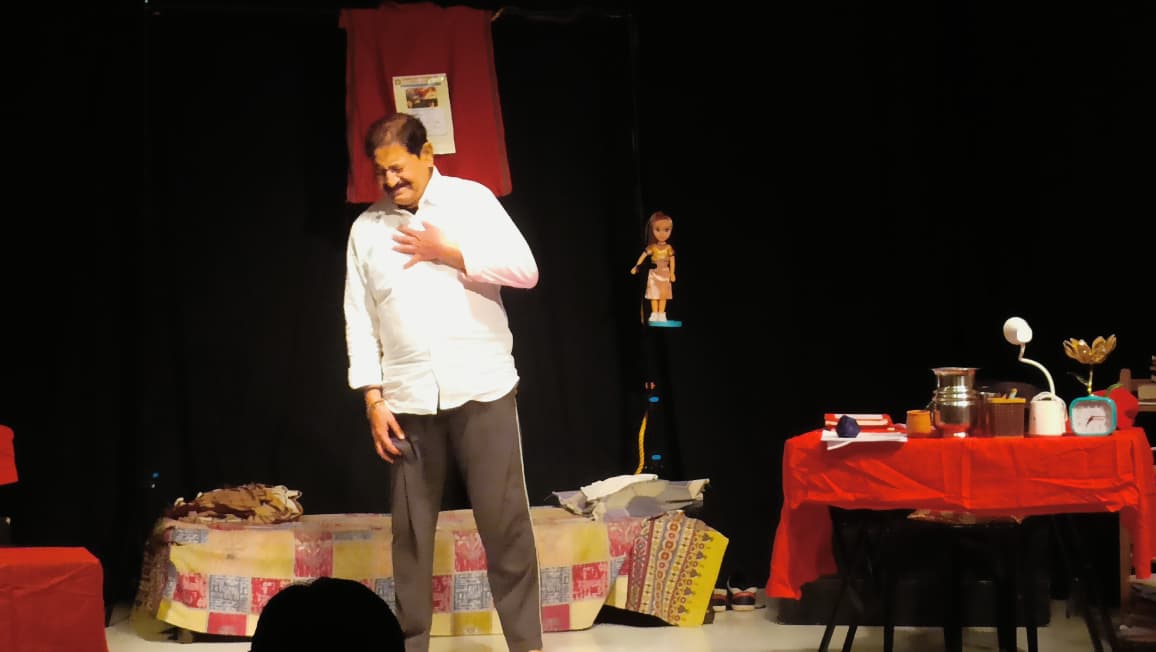
I am here defending those who are keeping their hamlet in theatre for they are never alone nor truly lonely ( though I despite not keeping a hamlet am not lonely). Those who keep homes within the discipline of theatre always seem to be there for each other and enjoy all moments of good or bad while I have my own hidden world within all the noise. I wish all the home creators only the best as they are providing safe zones to all who will to participate and be within them. The hamlet in theatre is a ready, comfortable, warm space that needs to be lauded and appreciated.


An Enriching Discussion on Indian Folk Theatre Tradition at Sanskar Bharati’s Monthly Symposium

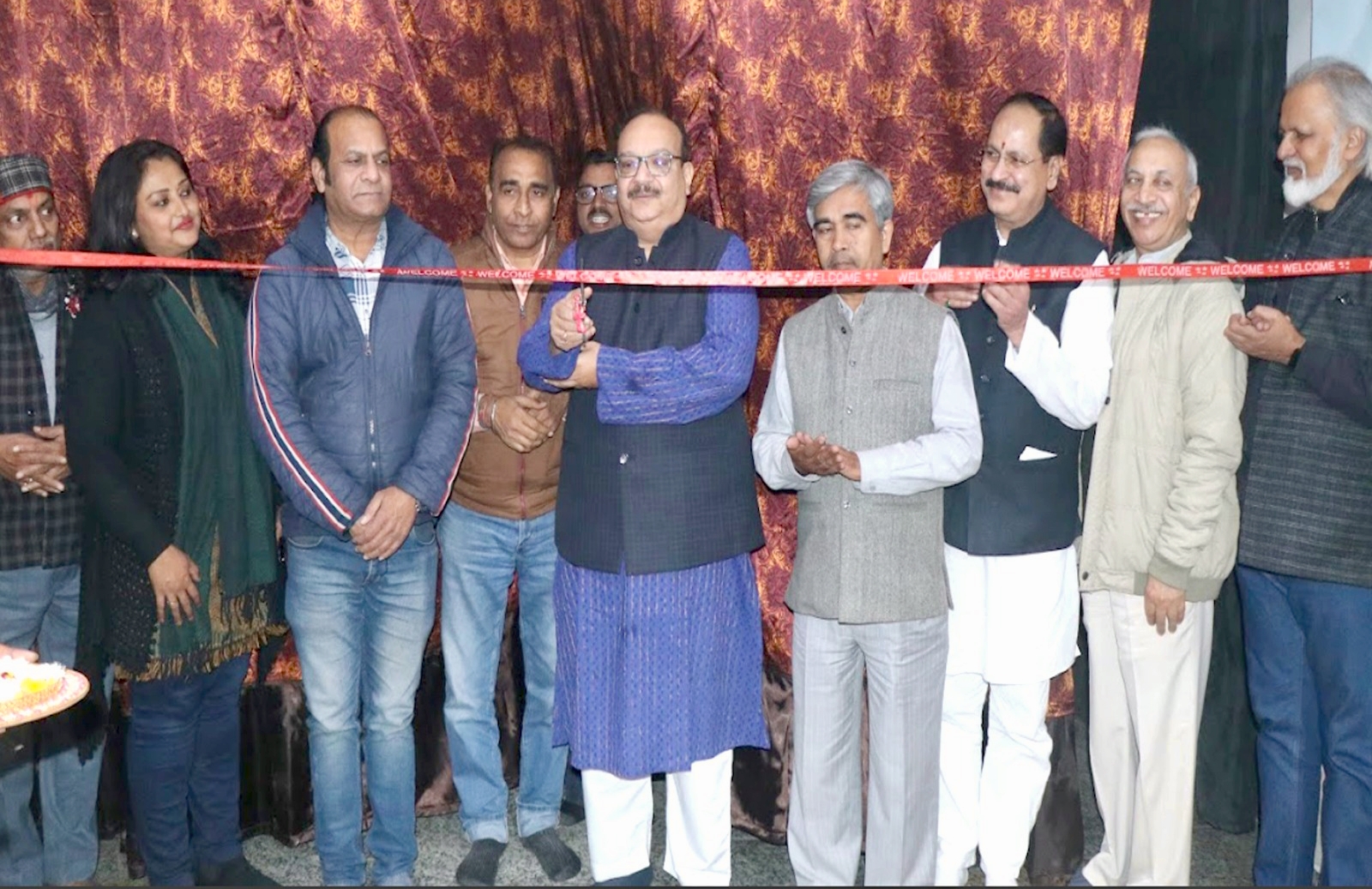
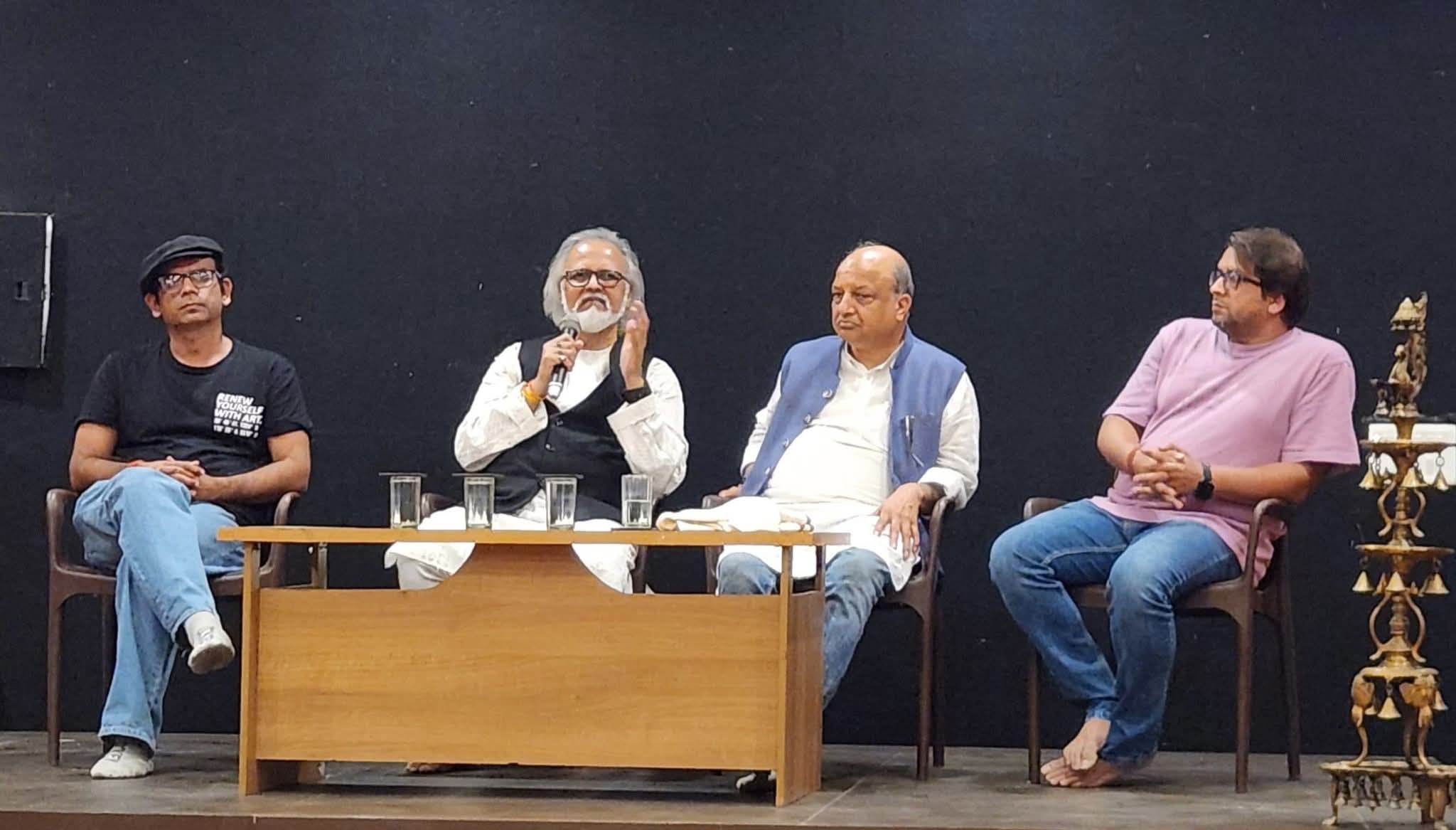
The monthly seminar organized at Sanskar Bharti’s central office ‘Kala Sankul’ in New Delhi proved to be a memorable occasion for art and culture lovers. In this year’s event, renowned theatre artist and Sangeet Natak Academy Award winner Shri Lokendra Trivedi presented his views on the topic “Our rich theatre-music tradition woven in folk theatre and its use in the present times”.

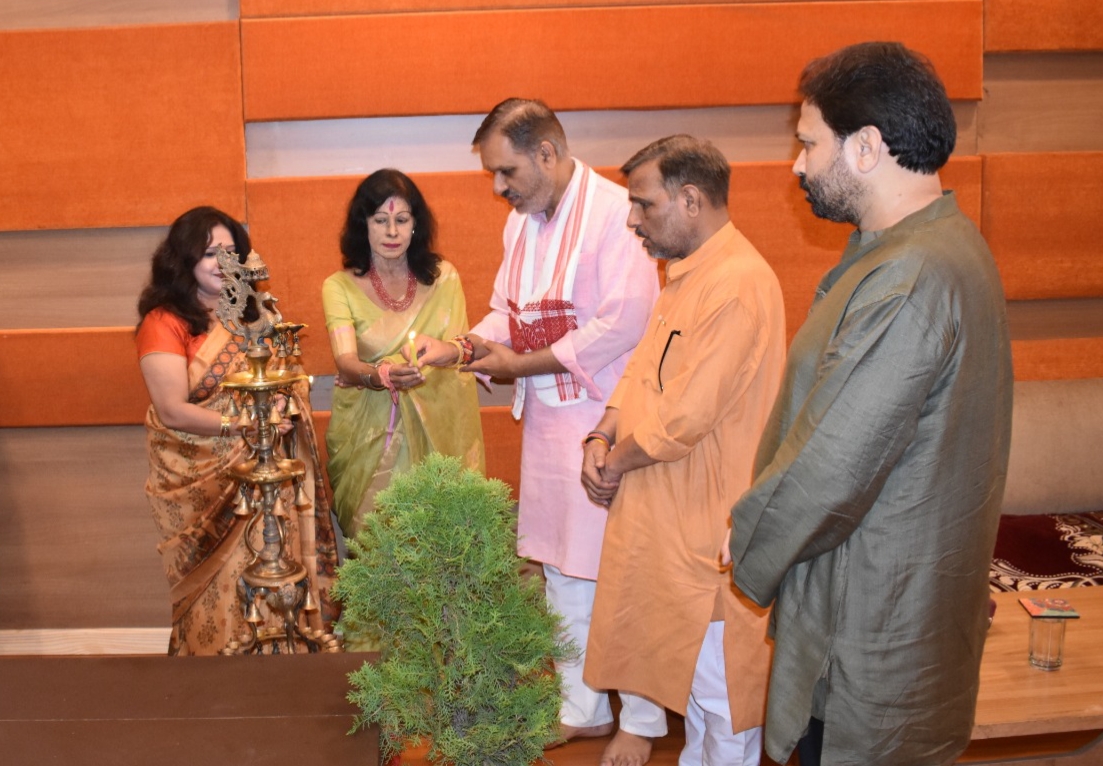
The programe began with lighting of lamps and the motto song of Sanskar Bharti. On this occasion, along with the team of Sanskar Bharti, many senior litterateurs, theatre artists and artists of the city were present. Prominent guests included former Secretary of Hindi Academy, Delhi, Hari Suman Bisht, senior theatre artist J.P. Singh, Nisha Trivedi, renowned Chhau Guru Sapan Acharya, Suresh Shetty, Vashisht Upadhyay, Bhupesh Joshi and many other eminent names.

Lokendra Trivedi’s lecture organized in the monthly seminar of Sanskar Bharati was an excellent effort to highlight the depth of Indian folk theatre tradition and its rich cultural heritage. Trivedi discussed his topic “Our rich theatre-music tradition woven in folk theatre and its use in present times” in a very simple, effective and factual manner.

His lecture style not only brought forth the features of folk theatre like Nautanki, Yakshagana, Bhavai, Tamasha, but also explained the relevance of these genres in the perspective of the new age. He stressed the need to preserve these ancient genres in the technological age and explained how connecting the new generation to them is the need of the hour.

The most notable part of the programme was that he raised the issue of making the collection of folk theatre available to the general public at the government and non-government level. This suggestion can be an important step towards preserving the Indian cultural heritage and taking it to new heights.

The Q&A session in the seminar made the dialogue between the audience and the lecturer more effective. The management, conduct and participation of the program show that Sanskar Bharti is not only a pioneer in the promotion of Indian art and culture, but is also active in connecting it with the new generation.

The seminar was conducted very effectively by Garima Rani. The contribution of “Kala Sankul” arrangements in-charge Mr. Digvijay Pandey, coordinator of the dance music seminar Shruti Sinha, co-convenor Vishwadeep, guide senior theatre artist Shyam Kumar and Raj Upadhyay was especially commendable in the success of the program. Apart from this, Harshit, Brajesh, Vijendra, Satyam and Shivam also played an important role in making the event successful.

In the end, the theatre seminar coordinator Mr. Kuldeep Sharma presented the vote of thanks. This event proved to be inspirational and informative for Indian folk art and theatre lovers. Such initiatives will definitely help in preserving and enriching our cultural heritage.


Natsamrat Delights Delhi Audiences with Laughter-Filled Performances

Play Scene

Delhi based Natsamrat again came up with its plays which were full of laughter and four plays which were loved by the audience.

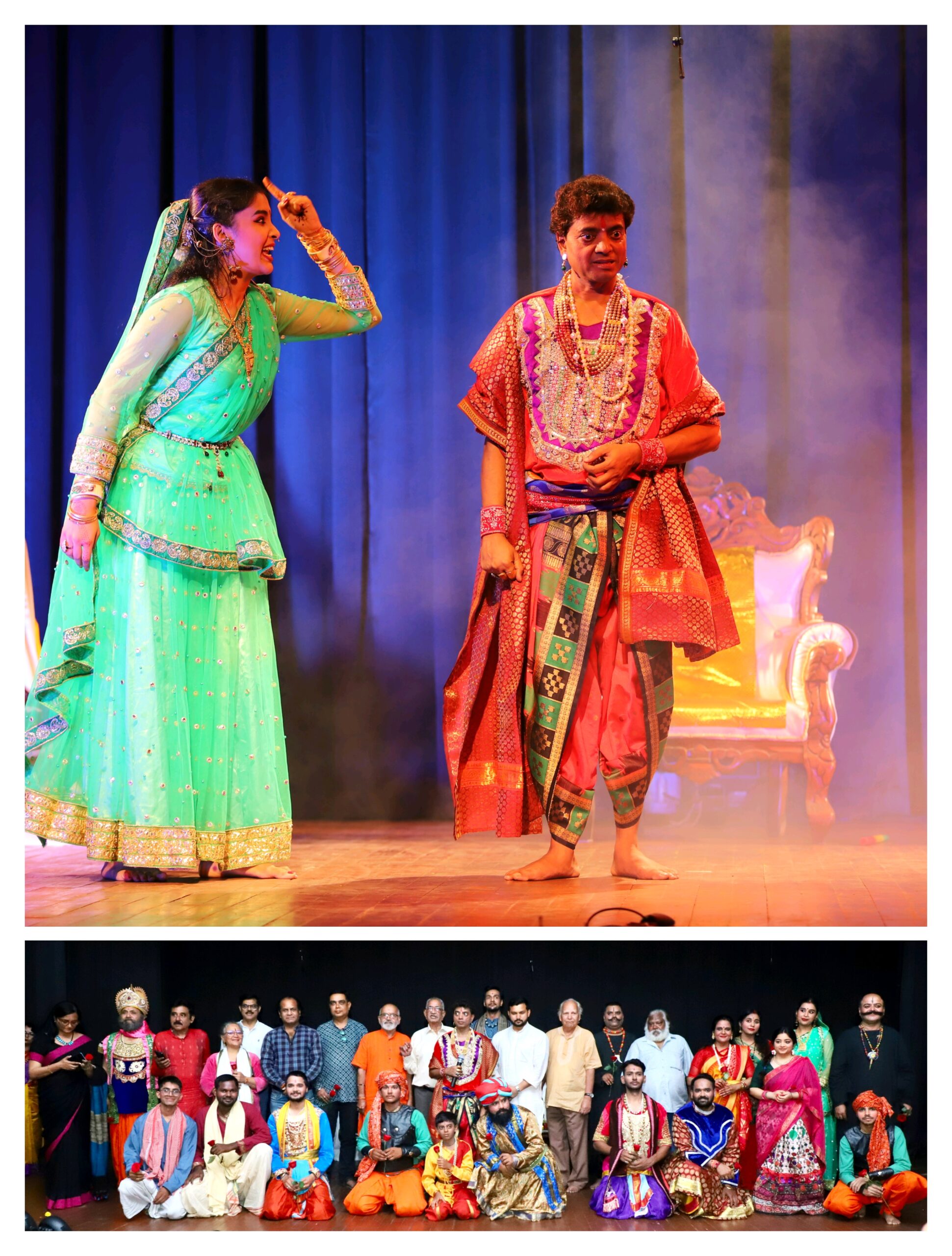
Two plays were staged on 16th November. At 3:00 PM Anton Chekhov’s famous story “The Proposal” was staged. The Proposal is the story of a young man who proposes marriage to his neighbour’s unmarried daughter. The story turns worse when the three of them start arguing over whose property it is and whose dog is better. At 4:15 PM the same evening, the play “Kallu Barber MBBS” written by Moliere was staged in which a barber is always drunk and beats his wife. The barber’s wife promises herself that she will teach her husband a lesson. During this time she meets two servants who are looking for a doctor to cure their master’s daughter’s muteness. The barber’s wife tells him that there is such a doctor here, but he does not consider himself a doctor until he is beaten up properly. Both the servants beat up the barber and force him to become a doctor and take him to their master. Later on, the play takes a very interesting turn.

On 17th November, two plays were staged. At 3 pm, the play “Haye Mera Dil” written by Ranbir Singh, which is the story of a delusional patient who believes that he is going to die and is worried about what will happen to his wife after him, she is very innocent, she will not be able to take care of herself, so he wants to get his wife married again. And later on, the play takes a different turn. At 4:15 pm the same evening, the play “Kambakht Ishq” written by Satya Prakash, which is the story of two old people who have fallen ill due to loneliness and when they meet each other, they understand that they need a support, so that they can share their loneliness.

All the four plays were directed by Shyam Kumar. Among the actors Vishwajeet, Munmun, Shivangi, Arvind Shandilya, Aman Kumar, Vansh Rathore, Raman Kumar and Shammi played their roles brilliantly. Stage managers Sunil Rathore and Suraj Singh, stage manager assistants Himanshu and Nisha, makeup Payal, costume assistants Rohit Prasad and Rekha Devi, music director Vansh Rathore. The play was staged at LTG auditorium Mandi House New Delhi.


A Masterful Comedy of Deception: *Gorakhdhanda* Delights Audiences with Humor and Insight

On November 10, the Mask Players Art Group brought to life Jayvardhan’s comedy play Gorakhdhanda at Gurugram’s Rang Parivartan Auditorium, delighting audiences with laughter and charm under the skilled direction of Chandrashekhar Sharma.

The storyline of Gorakhdhanda is a clever, layered satire on deception and morality, following the antics of a crafty property dealer and his equally sly servant. The two exploit a unique business model—illegally renting out government houses. Enlisting the help of a resourceful actor friend, they devise numerous ways to extract extra money from unsuspecting tenants. They pose as fake police officers, manufacture absurd emergencies, and even cut off tenants’ cable wires, all to manipulate and swindle money out of them.

However, their clever games reach a turning point when they encounter a new tenant, Geeta, a quick-witted woman who begins to see through their schemes. Unlike previous tenants, Geeta decides to fight back, taking matters into her own hands. Her pushback throws the scheming trio into a spiral of missteps, confusion, and unintended consequences. This leads to a brilliantly funny climax, where each character is forced to confront the absurdity of their deception, making for a deeply engaging and humorous plot twist.

Chandrashekhar Sharma’s direction is seamless, reflecting both his understanding of the play’s humor and his ability to highlight social commentary without losing the comedic essence. Sharma managed to balance the farcical elements of the story with a simplicity that made the scenes relatable and accessible. His careful pacing kept the audience engaged, and he ensured that every punchline landed. The transitions between scenes were smooth, and the intricate dynamics between characters were allowed to unfold naturally, making for a cohesive performance that held the audience’s attention from start to finish.

The cast of Gorakhdhanda shone on stage, each actor embracing their character with authenticity and energy. Ashish Sharma, Nikhil Jha, Eva Dandona, Pushkar Sagar, Ashutosh Srivastava, Jatin, and Mayank Sharma added rich layers to the play with their roles, enhancing the comedic timing and providing moments of slapstick that were both skillful and hilarious.

Together, the ensemble cast displayed a natural chemistry, enhancing each other’s performances and creating a lively atmosphere on stage. Their nuanced expressions, quick timing, and humorous dialogues conveyed not only the humor but also the subtle social critique embedded in the play.

Behind the scenes, a dedicated technical team brought the world of Gorakhdhanda to life with admirable precision. Sarita Rana, Manoj, Rakesh Sharma, Sangeeta Suyal, and Mamta Rani were instrumental in handling the set changes, props, and lighting that supported the narrative. Their efforts ensured that each scene flowed effortlessly, with no disruptions, adding polish to the production. The set design was simple but effective, allowing the audience to focus on the characters while still providing the necessary realism for the setting. Lighting and sound cues were timely, which helped to heighten the comedic moments and emphasized the shifts in tone as the story progressed.

For those who missed the Gurugram performance, there’s good news—the play will be staged again on November 16 at Blank Canvas Studio, Mandi House, New Delhi, promising another evening of laughter and insight.


Kala Sankul’s Seminar Unites India’s Diverse Folk Traditions

A monthly art seminar was organized on 27 October 2024 at the ‘Kala Sankul’ of Sanskar Bharti, Delhi, in which a unique confluence of India’s cultural diversity and unity was seen. Padmashree Ramdayal Sharma ji, who is a reputed Nautanki artist and guru, was present as a special guest in this program.

The program started with the lighting of the lamp where Sanskar Bharti’s Rashtriya Sangathan Mantri Abhijeet Gokhale, Ashok Tiwari, Digvijay Singh, Padmashree Ramdayal Sharma, Shyam Kumar, Raj Upadhyay, Deputy Registrar O.P. Sagar, Shruti Sinha were present.

The program started with captivating presentations of various folk dances, in which Manya Narang, Divya Kumari, Lavanya Sinha, Avya Tiwari and Katha Vachika Ruhi Jaiswal, under the leadership of Ms. Sneha Mukherjee, presented the folk dances of Rajasthan and Haryana in a very lively form. After this, Ms. Prabha Dubey’s group Rashmi Singh, Pooja Tripathi, Vaishnavi, Akshit Pratap Singh, Durga Bashakh, Jyoti Sharma, Gargi Savaria, Nitya Bansal, Bhavya Bansal and Megha Jain mesmerized the audience by presenting a unique amalgamation of Garba, Dandiya and Bengal’s Dhunuchi dance.

Padma Shri Ramdayal Sharma Ji in his speech highlighted the antiquity of Nautanki and its Indianness. He told that Nautanki is basically an expression of religious and Indian consciousness, and maintaining its purity is the need of the hour. Initially, Nautanki art was known as Swang and Bhagat.

In earlier times, there was no stage art without Indian consciousness. If the sufferings faced by King Harishchandra for the truth are shown through art, then the new generation will have Indian consciousness.

The program was conducted by Garima Rani Ji, while the vote of thanks was presented by Shruti Sinha Ji. This seminar emerged as a symbol of Indian culture, folk art and national unity, in which art teachers, researchers and art lovers participated in large numbers. Raj Upadhyay, Shyam Kumar, Pradeep Pathak, Raman Kumar, Aanchal Kumari, Tarushi, Anjali Kumari, Sakshi Sharma, Saurabh Kumar, Harshit Kumar, Raman Kumar, Brajesh Vishwakarma, Satyam Kumar along with the manager of the Kala Sankul Digvijay Pandey, Mrityunjay Kumar, Sushant contributed to making the program successful.


Natsamrat Delights Audiences with a Blend of Comedy, Drama, and Social Messages

Delhi based Natsamrat once again brought comedy filled plays for the audience. Plays written by Anton Chekhov, Moliere and Satya Prakash were staged under the direction of Shyam Kumar. On 2nd and 5th October such plays were staged in LTG Auditorium (Blank Canvas), Mandi House, New Delhi in which the director also tried to give a message to the society through his plays and that message touched the hearts of the audience.

On 2nd October two plays were staged. The first play “The Proposal” written by Anton Chekhov was staged. This is the story of a young man who proposes marriage to his neighbour’s unmarried daughter. The story gets worse when the three of them start arguing about whose property it is and whose dog is better.

The play “Kallu Nai MBBS” written by Moliere was staged. The audience gathered in large numbers for the presentation of the play. The audience applauded every dialogue. All the characters played their roles well.
The gist of the play is that a barber is always drunk and beats his wife. The barber’s wife promises herself that she will teach her husband a lesson. Meanwhile, she meets a servant who is looking for a doctor to treat their master’s daughter’s dumbness. The barber’s wife tells him that there is such a doctor here, but he does not consider himself a doctor until he is beaten up properly. The servant beat the barber and force him to become a doctor and take him to his master. Later on, the play takes a very good turn.

On 5 October, again “The Proposal” play was staged along with “Kambakht Ishq” written by Satya Prakash. In today’s time, life has become so busy that children do not have time for their parents, due to which their parents start falling ill. Especially when someone’s mother is alone and someone’s father is alone. The story of the play Kambakht Ishq touched the hearts of the audience along with laughter because somewhere probably everyone was finding themselves in the same place which was being shown in the play.

Artists Vishwajeet, Munmun, Arvind Shandilya, Sudhir Khanna, Aman Kumar, Soumya Yadav, Shivangi and Raman Kumar played their roles very well. Stage Managers Sunil Rathore and Suraj Singh, Set Managers Naushad and Rohit Prasad, Make-up artist Payal and Rajrani, Costume assistants Chhobi Saha and Rekha Devi, Music Operated by Vansh Rathore and light design by Natsamrat’s director Shyam Kumar.


Indian Perspective and Challenges in Modern Theater Writing: Seminar held at Kala Sankul

29 September, New Delhi – In order to promote art and literature, the monthly theatre seminar organised by Sanskar Bharti, Delhi was organised at ‘Kala Sankul’. The main theme of this seminar was ‘Indian perspective and challenges in modern theatre writing’. Director of National School of Drama (NSD) Chittaranjan Tripathi and senior theatre critic Anil Goyal were present as keynote speakers.

In his speech, Chittaranjan Tripathi expressed deep concern over the current state of Indian theatre institutions and writing. He said that in today’s time there is a huge shortage of writing material, which does not present the society and Indian perspective in the right way. He stressed that the study of Indian epics like Mahabharata is very important to understand the art, culture and history of India. According to Tripathi, today’s youth is interested in theatre, but it is very important to write keeping Indianness at the centre.

He also discussed the tradition of folk theatre and said, “When we understand the folk, we will be able to make theatre better too.” Explaining the importance of folk theatre, he said that it is a genre that is born and survives among the common people, which develops by keeping their life and behaviour at the centre.

Drama critic Anil Goyal also expressed his views on the Indian theatre tradition and criticised the wrong portrayal of history by some theatre writers of the past decades. He described the lack of young theatre writers as the biggest challenge of the present times. Goyal said, “The theatre world has always felt the lack of good writers. The film world may have got better writers, but this lack can be clearly seen in the theatre field.”

It was also discussed in the seminar that in the desire for political correctness, difficult and complex issues did not find a place in plays. Referring to the writings based on the wars of 1962 and 1971, he said that films were made on these historical events, but effective plays were not written.

The program was inaugurated by National Organization Minister of Sanskar Bharati Abhijit Gokhale, Director of National School of Drama (NSD) Chittaranjan Tripathi, Senior Critic Anil Goyal, Kuldeep Sharma. Ashok Tiwari, Digvijay Singh, Registrar of NSD P.K. Mohanty and Deputy Registrar O.P. Sagar were present.

The presence of many Senior Theatre Director’s like Mr. Ramdayal Sharma, Avtar Sahni, J.P. Singh, Rohit Tripathi, Chandrakanta Tripathi, Shyam Kumar, Raj Upadhyay, Bhupesh Joshi and Vashisht Upadhyay made the program special. The successful organization of the program was a proof of the dedication of all the members of Sanskar Bharati.

This seminar proved to be an important platform for Indian theatre, where serious discussions were held on the current challenges of playwriting from the Indian perspective. Emphasizing the relevance of epics like Mahabharata, Tripathi told the need for playwrights to focus on Indian context. Anil Goyal, on the other hand, openly expressed his concerns on the lack of young writers and absence of serious subjects.

Overall, this symposium provides a great opportunity to rethink about the direction and challenges of writing in Indian theatre, which can provide inspiration and direction to upcoming writers.


रोहतक सुपवा में संपन्न हाइफा का दूसरा वार्षिकोत्स्व।

डॉ तबस्सुम जहां।

रोहतक सुपवा में संपन्न हाइफा का दूसरा वार्षिकोत्स्व। रंगारंग कार्यक्रम में शामिल हुईं हरियाणा की अनेक मशहूर हस्तियाँ।

शनिवार 28 सितंबर, हरियाणा प्रदेश के सिने कलाकारों की एकमात्र संस्था हरियाणवी इनोवेटिव फ़िल्म एसोसिएशन (हाइफा) का दूसरा वार्षिक पुरुस्कार वितरण समारोह पी एल सी सुपवा रोहतक में संपन्न हुआ।

कार्यक्रम का आरंभ मुख्य अतिथि यशपाल शर्मा जी के स्वागत उन्हें पुष्पगुच्छ देने। दीप प्रज्वलन और गणेश वंदना के साथ प्रारंभ हुआ। इसके उपरांत हरियाणवी कलाकार योगेश वत्स ने सरस्वती वंदना गा कर प्रोग्राम का शुभारंभ किया।
सर्वप्रथम हाईफा अध्यक्ष श्री जनार्दन शर्मा द्वारा सभी का अभिनंदन एवं आशीर्वचन किया गया। उन्होंने कहा कि यह दौर हरियाणवी सिनेमा का ऊंचाइयों का दौर है। यह हाईफ़ा का बेहतरीन समय है

उसके उपरांत हाईफा मुख्य सचिव रामपाल बल्हारा द्वारा हाइफ़ा में पूरे वर्ष हुए गतिविधियों की वार्षिक सूचना प्रस्तुत की गई। रामपाल बल्हारा सर ने हाईफ़ा के गठन, उद्देश्य और वर्तमान गतिविधि पर खुलकर चर्चा की।

मुख्यअतिथि यशपाल शर्मा द्वारा आशीर्वचन एवं हाईफा के दूसरे वार्षिकोत्सव कार्यालय को शुरु करने की घोषणा की। “उन्होंने कहा कि हरेक आदमी हरेक काम नहीं कर सकता इसलिए अपना अपना काम करते रहना चाहिए। सब में अपनी काबलियत है और उसे जारी रखा जाना चाहिए और हाइफ़ा ने यह साबित करके दिखा दिया है।”

प्रोग्राम में आगे हाईफा कुलगीत के बाद हाईफ़ा कलाकार सदस्यों द्वारा सांस्कृतिक कार्यक्रमों की प्रस्तुति की गई सबसे पहले हरियाणवी कलाकार मीना मलिक द्वारा नृत्य प्रस्तुत किया गया। जिससे दर्शक दीर्घा में बैठे सभी लोग झूम उठे। आगे श्री चंद्रशेखर ने द्वारा रसिया पेश किया गया। इसके बाद मंच से महिपाल पठानिया ने अपनी मधुर आवाज़ में लोकगीत पेश किया।
सुश्री सोनिया द्वारा लाजवाब डांस परफॉर्मेंन्स ने सबको अपने साथ थिरकने पर मजबूर कर दिया। श्री सुधीर ढांडा और निमिषा द्वारा कविता, सुनीता डागर द्वारा गीत पेश किया गया। सुश्री हितांशी और बेबी मायरा द्वारा प्रस्तुत डांस ने समा बांध दिया। सुश्री ज्योति आर्य द्वारा गीत, यश कीर्ति द्वारा गीत, सुश्री सुदेश द्वारा नृत्य व श्री योगेश वत्स द्वारा रागनी/गीत, सुश्री केलापति द्वारा लोकगीत और श्री इंदर लांबा द्वारा रागनी प्रस्तुत की गई और अमन ने गीत पेश किया जिसे सभी लोगों ने मंत्र मुग्ध होकर सुना।

कार्यक्रम में आगे इस साल पुरुस्कृत शॉर्ट फिल्म्स की स्क्रीनिंग हुई। इस बरस का हाईफ़ा लाइफ टाइम अचीवमेंट अवार्ड डॉ सुधीर शर्मा और डॉ रामपाल चहल जी को हरियाणा में उनकी अतुलनीय योगदान के लिए दिया गया।

हाईफ़ा कहानी प्रतियोगिता के अनर्गत प्रथम पुरस्कार कहानी ‘आवाज़े’ के लिए डॉ. नवरत्न पांडेय को दिया गया। वहीं द्वितीय पुरस्कार (संयुक्त) रूप से कहानी ‘गुरु दक्षिणा’ के लिए डॉ. तबस्सुम जहां और ‘आधी यशोदा’ कहानी के लिए प्रतीक्षा रम्य को दिया गया। तृतीय पुरस्कार ‘अमावस’ कहानी के लिए डॉ. ललिता ने अपने नाम किया।
सांत्वना पुरस्कार के अंतर्गत कहानी ‘कामवाली बाई’ के लिए डॉ. जोगेंद्र कुमार, कहानी ‘अनन्या’ के लिए चंद्रशेखर शर्मा और ‘इंसान पादरी के सामने कन्फ़ेशन करता है’ के लिए राजकुमार गर्ग को दिया गया। पुरुस्कार वितरण के बाद कहानी प्रतियोगिता के निर्णायक मंडल में प्रमुख सदस्य रहे डा. मधुकांत, डा. रमाकांता शर्मा और कमलेश भारतीय को अंगवस्त्र देकर सम्मानित किया गया।

हाईफ़ा की लघु फिल्म प्रतियोगिता के अंतर्गत
प्रथम पुरस्कार ‘फांस’ फ़िल्म के लिए उसके डायरेक्टर आकाश सिंह को दिया गया। द्वितीय पुरस्कार ‘ऊक चूक’ के लिए अभिमन्यु यादव और तीसरा ‘अहसास’ फ़िल्म के लिए
राजू मान सिंह ने अपने नाम किया।
लघु फिल्म प्रतियोगिता के लिए ही सर्वश्रेष्ठ अभिनेता की कैटेगरी में राजकुमार धनखड़ को फ़िल्म ऊक चूक के लिए पुरुस्कृत किया गया। सर्वश्रेष्ठ अभिनेत्री इसी फ़िल्म के लिए
सोनम सैनी को दिया गया।
हाईफ़ा वीडियो गीत प्रतियोगिता के लिए
प्रथम पुरस्कार ‘आनंद काया’ के लिए साहिल संधु को दिया गया। इस श्रेणी में द्वितीय पुरस्कार ‘आपा दोनों जने’ के लिए सुखबीर गिल और तृतीय पुरस्कार ‘याद पुरानी’ वीडियो के लिए अमित भाना को दिया गया।

वीडियो गीत प्रतियोगिता की कैटीगरी में
सर्वश्रेष्ठ गायक का पुरुस्कार (संयुक्त) रूप से ‘छोरी डटज्या’
के लिए उमेश वर्मा और ‘आपा दोनों जने’ के लिए बी. पारस को मिला। सर्वश्रेष्ठ गायिका में मीनाक्षी पांचाल को गीत ‘आनंद काया’ के लिए पुरुस्कृत किया गया।

वृतचित्र प्रतियोगिता की श्रेणी में प्रथम पुरस्कार ‘धूमिल धरोहर’ के लिए निमिशा सूर्यांशी को मिला। पुरुस्कार के अंत में। अंत में ज्यूरी कमेटी के महत्वपूर्ण सदस्य राजीव भाटिया, प्रतिभा सुमन, मनु गौतम, विजेता दहिया और संदीप गोयत को भी अंगवस्त्र देकर सम्मानित किया गया।

कार्यक्रम को आगे बढ़ाते हुए रंगारंग कार्यक्रम प्रस्तुत करने वाले हाईफ़ा कलाकारों को स्मृति चिन्ह चिन्ह देकर सम्मानित किया गया इसके अतिरिक्त मुख्य अतिथि को स्मृति चिन्ह देकर सम्मानित किया गया और अंत में वरिष्ठ कलाकार राजू मान सिंह द्वारा सभा में मौजूद सभी का धन्यवाद ज्ञापन किया गया।
शाम को राष्ट्रगान के साथ कार्यक्रम का सफल समापन हुआ।


Corruption, Comedy, and Music: Saiyan Bhaye Kotwal Enthralls Delhi Audience

On the 14th and 15th of September, *Saiyan Bhaye Kotwal* was staged by New Delhi Performers at Alliance Française de Delhi, Lodi Estate, New Delhi, under the direction of Basab Bhattacharya. This musical comedy play, a Hindi adaptation of the renowned Marathi play *Vichha Majhi Puri Kara*, originally written by Vasant Sabnis and translated into Hindi by Usha Banerjee, focused on the theme of corruption. Through humor, music, and lively performances, the play delivered sharp satire.

Performed by the talented cast of *New Delhi Performers*, the play balanced entertainment with a strong message. It offered incisive commentary on power, greed, the inefficiency of administrative systems, making critical observations through its humorous lens.

The music and dance elements were key in keeping the audience engaged. The main objective of the play highlighting corruption through satire was successfully conveyed. Costumes and choreography were commendable, adding a vibrant touch to the performances. The inclusion of contemporary film songs connected the play to the present day, allowing the audience to relate to the storyline more effectively.

The performances were a highlight, with Dhruv Sharma playing Maharaj, Animesh Singhal as Hawaldar, Arpan Arora in the role of Pradhan, and Abhishek as the energetic Sipahi. Chetna portrayed Mainavati, while Ritwik Marwah took on the role of Kotwal. Saurabh Bhutoria, in the role of Sakhiya, won the audience’s applause with his stellar performance. The narrators, Hardik and Sheetal Marwah, added a guiding presence to the story. Behind the scenes, Vedant and Rinki lent their voices, while Dinesh played the harmonium and Harsh took charge of the dholak. Ved Deep led the Music, and Ritesh handled the lighting design.

Overall, *Saiyan Bhaye Kotwal* offered an engaging musical experience where the blend of music and lively performances drove the story forward. The cast’s energetic presentation ensured that the audience left the theater entertained and impressed.


Folk Dances of India: Kolkali

Kolkali Dance is a folk dance practised by the inhabitants of the region of the North Malabar belt and the Lakshwadeep Islands. This group dance form has a history that goes back around two millenniums in time. It is widely regarded that this dance form has drawn elements from Kalaripayattu(this is a martial art practised in Kerala and Tamil Nadu). The body postures, choreography and the footwork displayed in Kolkali derive their roots in the training schedules of Kalaripayattu.

Kolkali is performed to magnify the occasions of joy and happiness. During the paddy harvest season in the Malabar Belt, Kolkali is performed by groups with all the pomp and show. The dance form is all-inclusive with participants being from all the castes, creeds and religions. The tribal festivals and the weddings in these areas have Kolkali as an integral part. At times a wooden stage called ‘Thattinmelkali’ is constructed for the performance of Kolkali.

962. Kol-kali: A folk dance from Kerala

Breaking the word Kolkali, it is comprised of two words i.e. ‘kol’ meaning sticks and ‘kali’ meaning dance, hence Kolkali being the dance-with-sticks. This dance form has rhythmic, eye-catching moves with participants moving in about a circle, striking small sticks in the same rhythm complemented by elegant footsteps. The climax of the dance performance is amalgamated with certain high-frequency musical notes, with 12-24 dancers moving unbrokenly moving in and out of a circle with the traditional ceremonial lamp, called ‘Nilavilakku’ at the centre. This movement encompasses tapping with the feet and the handheld wooden sticks.

The songs in the Kolkali dance are a concoction of devotional stories which are an auditory imagery of the regional Gods. The clinking and the striking sticks in a rhythmic way augment the music and create a holistic atmosphere. Musical instruments like Chengala, Mathalam, Elathalam and Chenda are used in this dance form.

The very scene of Kolkali artists – performing dynamic and radiant steps against a surreal backdrop of pulsating and enriching music is a sight to cherish and delight. Kolkali is a vibrant art form that makes the culture and the heritage of the Malabar Belt and the Lakshwadeep Islands opulent and sumptuous.

Independent Project by Abhinav Sharma

Guide ⇒ Prof. Manohar Khushalani

References :

  1. Kolakli-Malabar Toursim
  2. Types of Kolkali