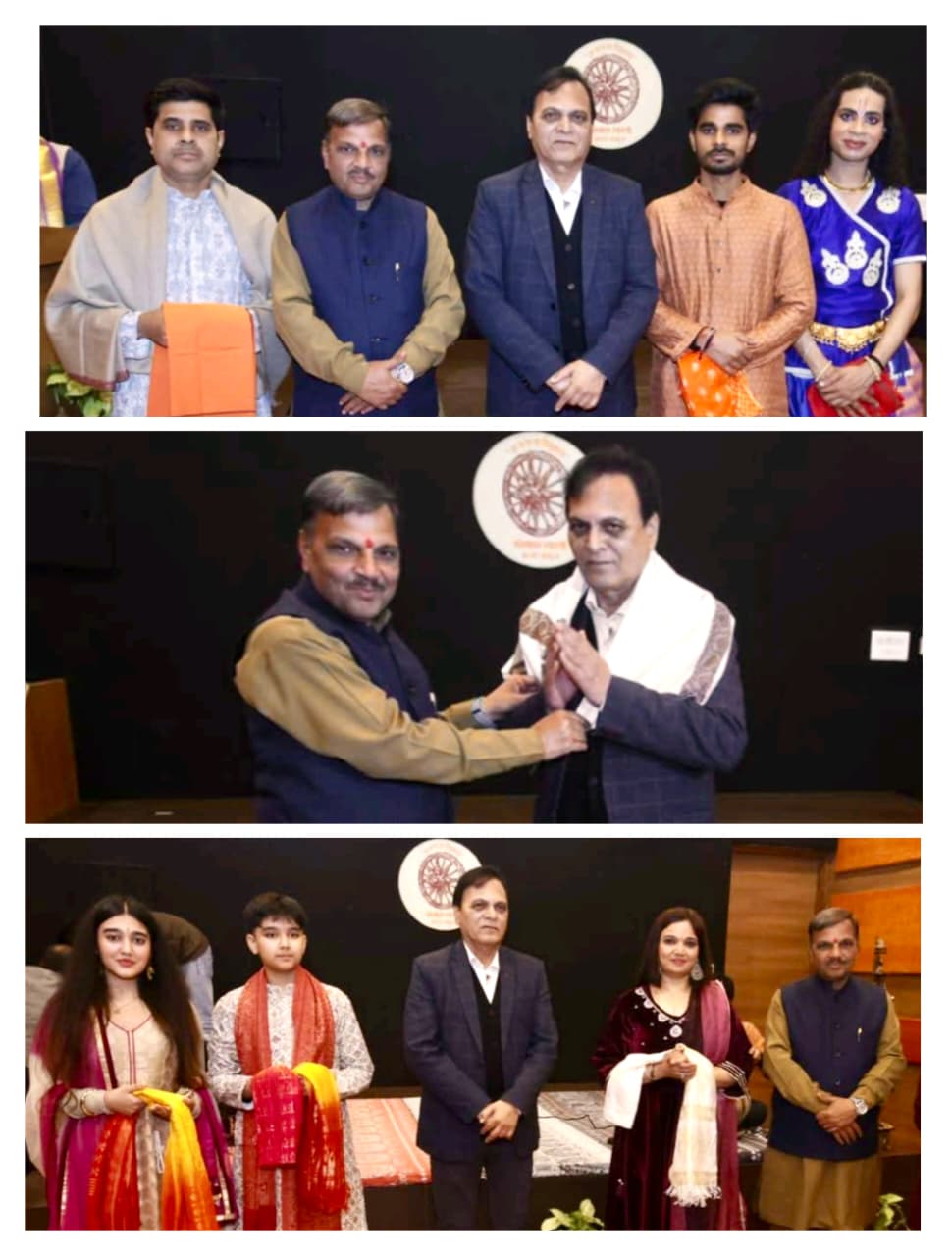
Artistic Expression: Freedom and Boundaries — A Thought-Provoking IGNCA Symposium Marking 75 Years of the Indian Constitution
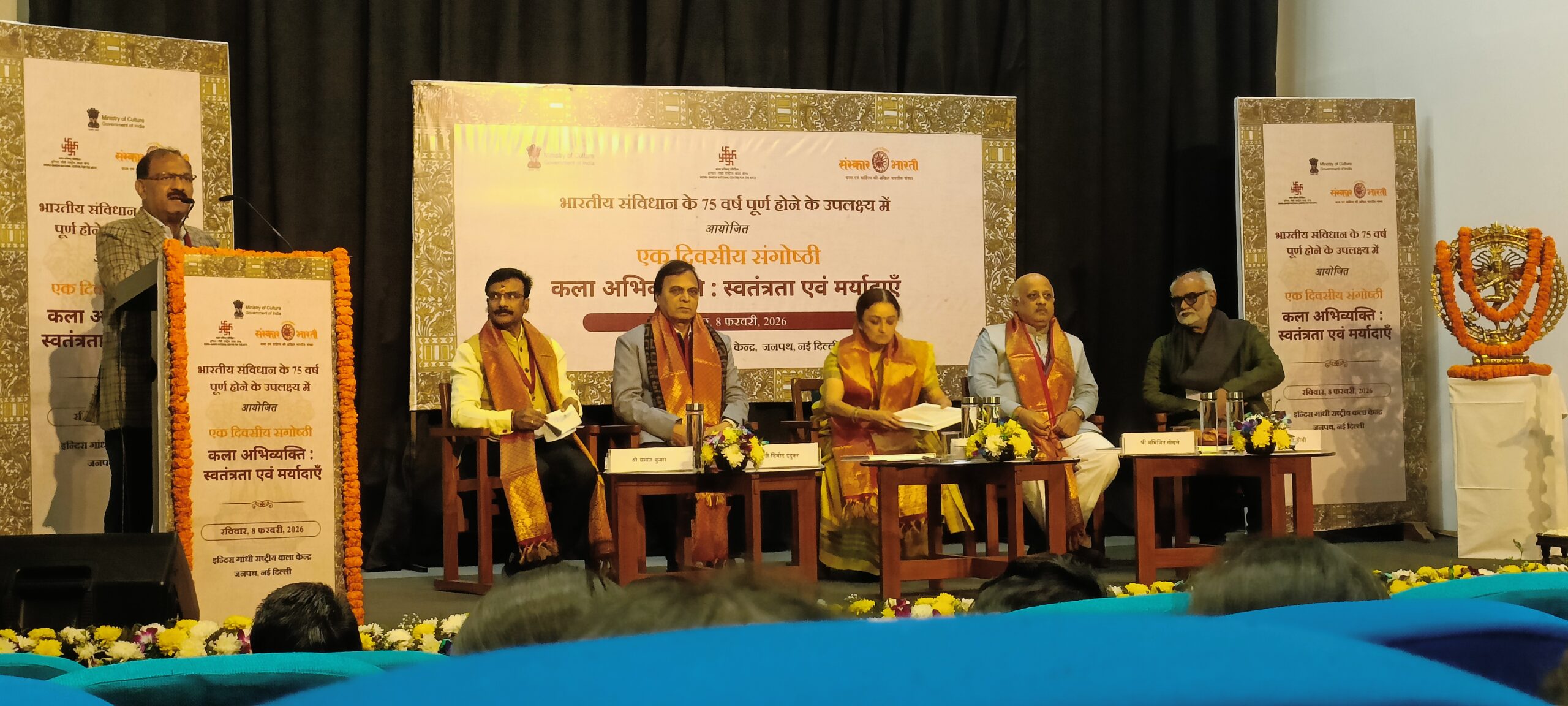
New Delhi, 8 February 2026: Commemorating 75 years of the Indian Constitution, a one-day national symposium titled “कला अभिव्यक्ति : स्वतंत्रता एवं मर्यादाएँ” was jointly organised by the Ministry of Culture, Sanskar Bharati and the Indira Gandhi National Centre for the Arts (IGNCA). Held at the IGNCA auditorium on 8 February 2026, the event unfolded in a dignified yet intellectually vibrant atmosphere, emerging as a meaningful cultural platform that explored the dynamic relationship between art, constitutional values and contemporary society during the ongoing Amrit Mahotsav period.
The programme commenced with a ceremonial lamp-lighting by Dr. Sachchidanand Joshi, Dr. Sandhya Purecha, Shri Abhijeet Gokhale, Shri Vinod Narayan Indurkar and Shri Prabhat Kumar. In their opening remarks, the speakers highlighted the intrinsic connection between the Constitution, culture and artistic practice. They emphasised that the Indian Constitution is not merely a legal framework but a living embodiment of cultural consciousness — one that empowers artists with freedom of expression while simultaneously reminding them of social responsibility and ethical boundaries.
The first session, devoted to literature, featured insightful reflections by Dr. Sachchidanand Joshi, Dr. Alka Sinha and Shri Kishor Makwana. The panel discussed literature as a bridge between power structures, social realities and human sensitivity. Speakers observed that while the Constitution grants writers the freedom to articulate truth fearlessly, it also calls for thoughtful and responsible use of language.
In the second session on visual arts, Dr. Nandlal Thakur, Shri Neeraj Gupta and Ms. Situ Kohli explored the evolving landscape of contemporary and digital visual expression. They emphasised that visual art communicates beyond words and holds the power to mirror society. Constitutional freedoms, they noted, enable artists to challenge norms and provoke dialogue, provided that sensitivity and cultural balance remain central to creative practice.
The third session, centred on performing arts, brought together Dr. Sandhya Purecha, Shri Chetan Joshi and Ms. Vidya Shah. Through discussions on theatre, music and stage traditions, they reflected on the stage as a powerful medium for social engagement. Artists, they suggested, carry the responsibility to foster awareness, inclusivity and dialogue through their performances.
Cinema formed the focus of the fourth session, where Shri Atul Pandey, Shri Mustaza Ali Khan and senior journalist-film critic Shri Anant Vijay examined the wide-reaching influence of films on society. The panellists stressed the delicate balance between creative liberty and social accountability, highlighting the growing relevance of ethical storytelling in contemporary media landscapes.
During the valedictory session, Sanskar Bharati’s National Organisation Secretary Shri Abhijeet Gokhale drew connections between Bharat Muni’s Natyashastra, the rights and duties enshrined in the Constitution, and the need for contextually relevant artistic creation. He underscored that artistic freedom achieves its true significance only when aligned with cultural awareness and societal responsibility.
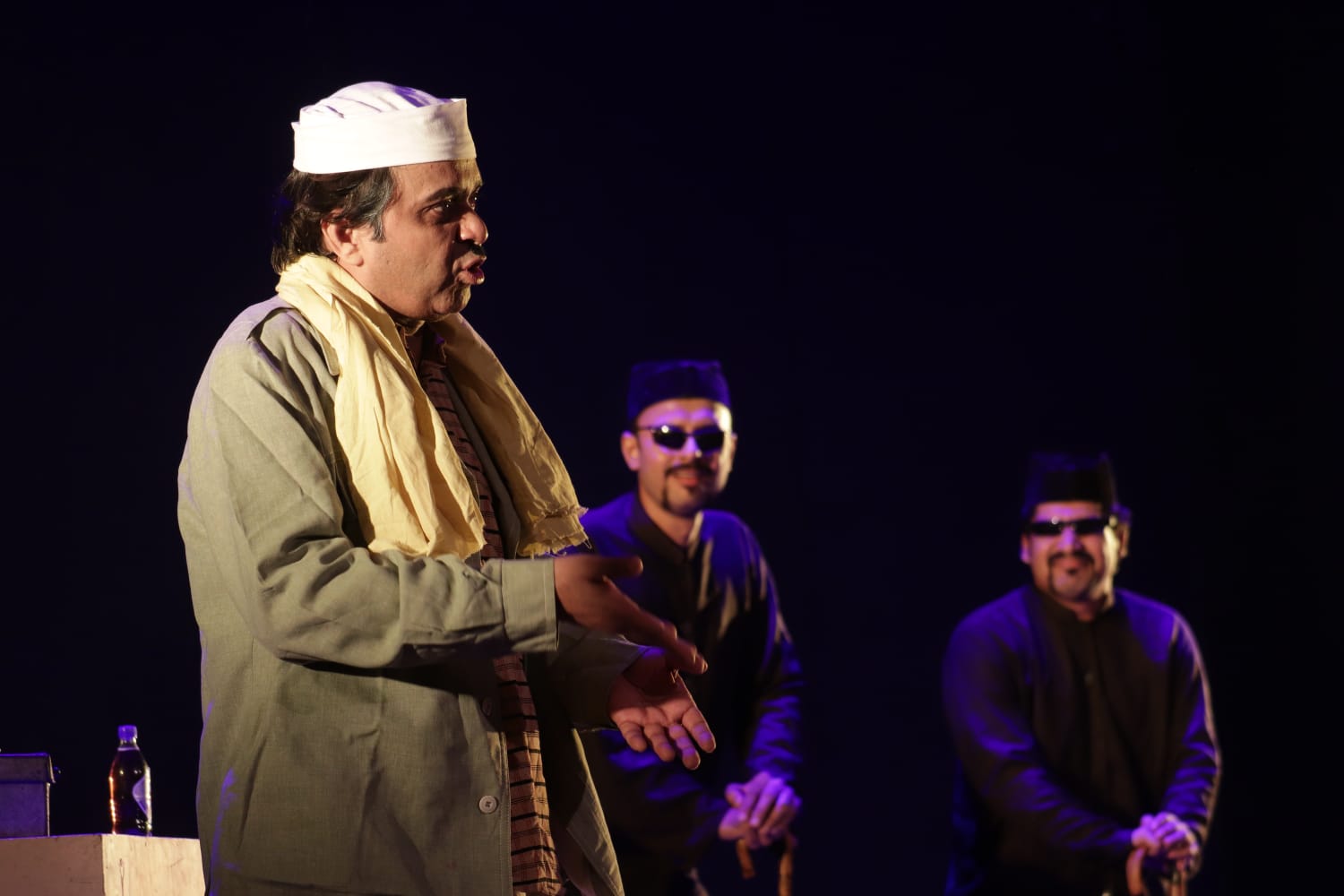
A distinctive feature of the symposium was the presentation of short street plays before each session, offering audiences an engaging thematic introduction. Complementing the discussions was an exhibition showcasing the contributions of women artisans involved in the making of the Constitution and highlighting the artistic dimensions embedded within its spirit.
Overall, the symposium emerged as an enriching and reflective cultural initiative — encouraging artists, scholars and audiences to re-examine the Constitution’s 75-year journey through the lens of creative practice. By fostering dialogue across disciplines, the event reinforced the enduring role of art as both a mirror to society and a catalyst for thoughtful change.
Kaveri Abrol Explores Divine Duality Through Bharatanatyam in “Dvi-itva”
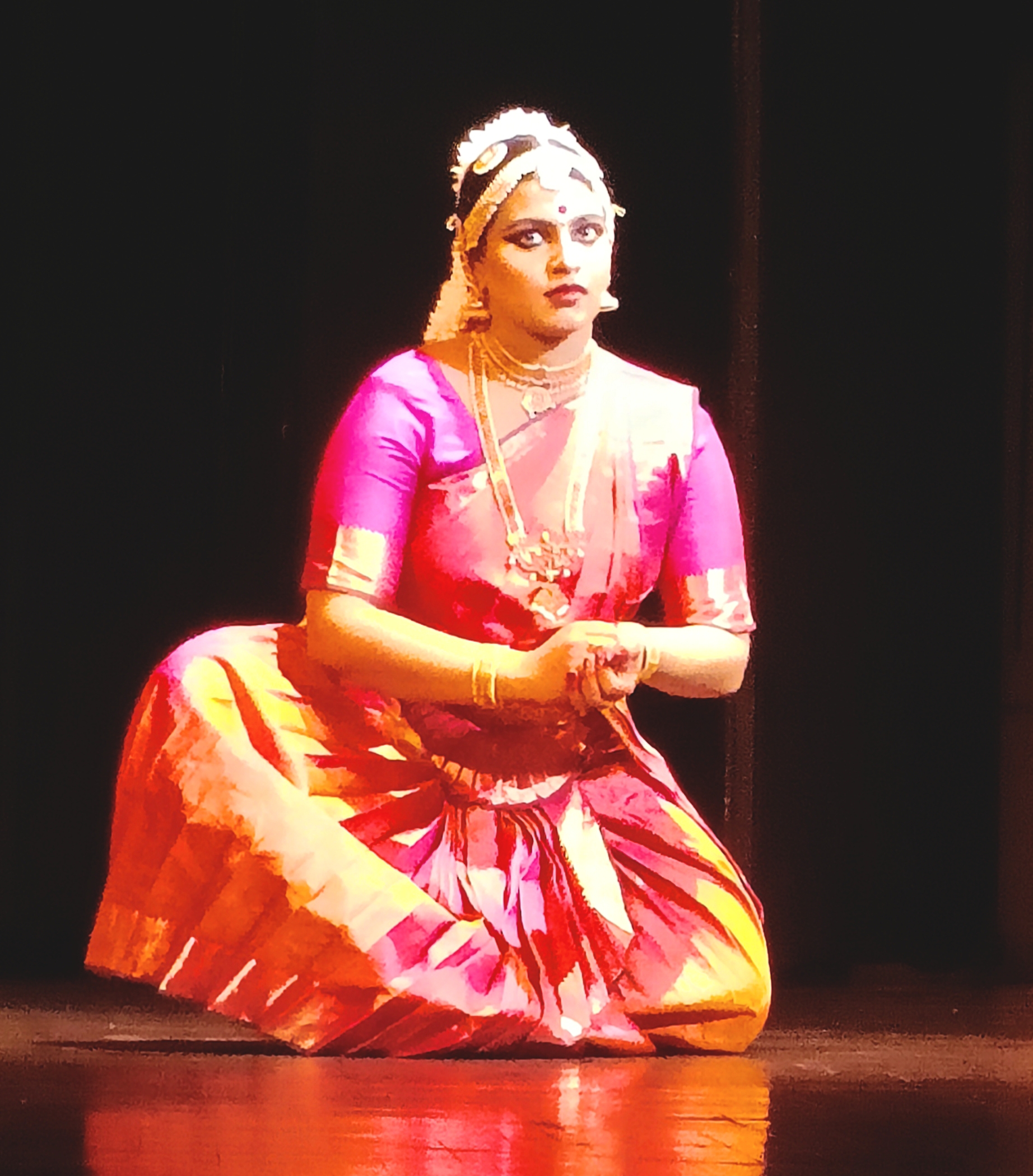
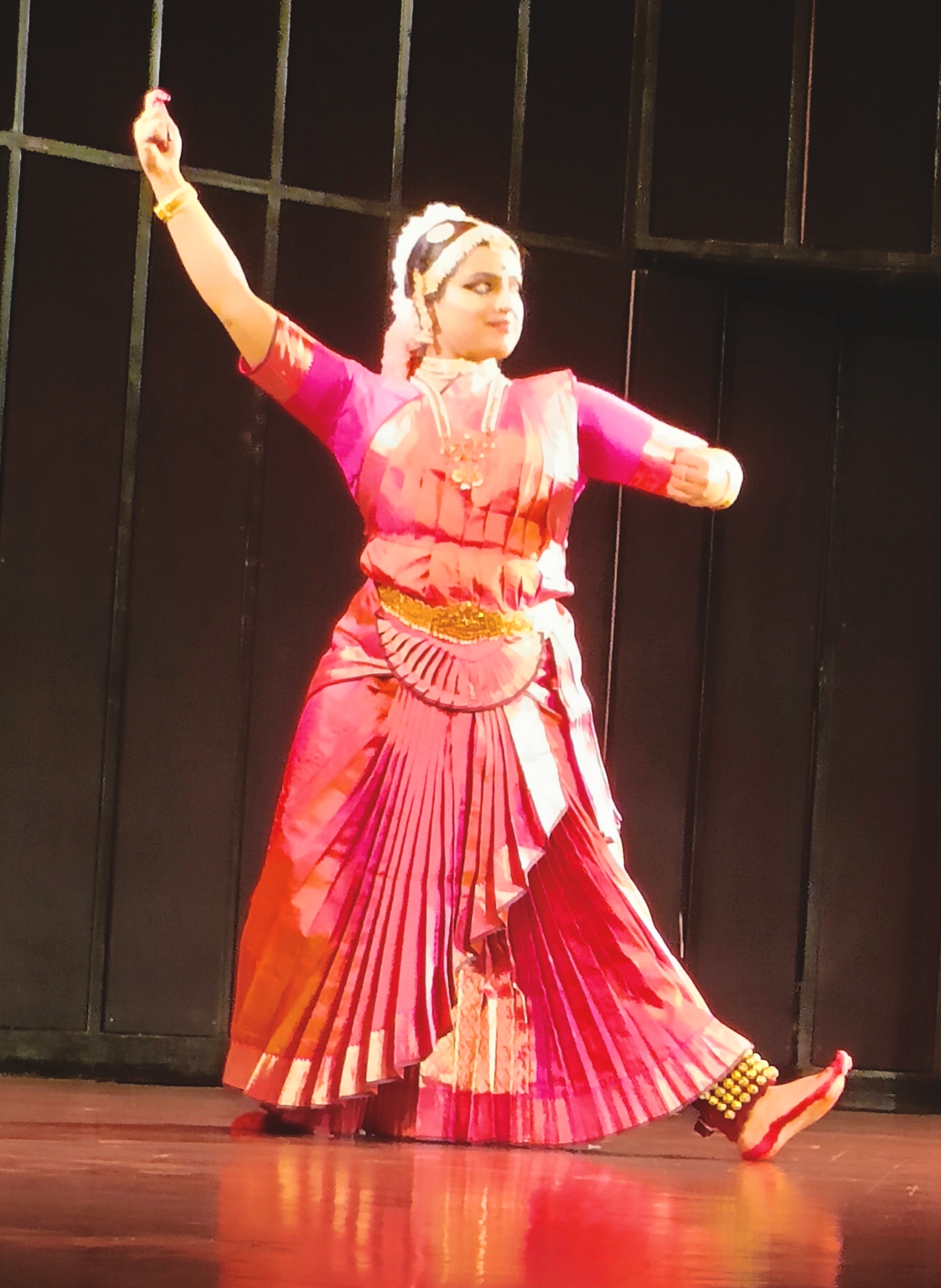
The Bharatanatyam recital “Dvi-itva: Divine Duality” was presented by Kaveri Abrol, disciple of National Award–winning Acharya Jayalakshmi Eshwar, on 4 February at 7:00 PM at The Stein Auditorium, India Habitat Centre, New Delhi. Conceptualised and choreographed by Acharya Jayalakshmi Eshwar, the performance followed a traditional mārgam structure, exploring the philosophical duality of Purusa and Prakrti—consciousness and creative force—through layered narratives, expressive abhinaya, and precise nṛtta.
Daughter of Professor Seema Bawa and Dr. Ashish Abrol, Kaveri has been training in the Guru–Shishya Parampara under Acharya Jayalakshmi Eshwar since the age of eight.
The recital opened with Ganapati Taalam in Gambhira Nattai raga and Adi tala, choreographed by Acharya Jayalakshmi Eshwar. The invocation established a contemplative atmosphere as the dancer portrayed Ganesha’s iconographic paradoxes—Ekadanta and Sukesa—with devotional restraint. The piece emphasised surrender and introduced the evening’s central theme of divine duality.
The expansive Vanajaksa Varnam (Bihag raga, Adi tala, composer T. R. Subramaniam) formed the conceptual core. Through multiple episodes involving Rukmini, Draupadi, Satyabhama, and the devotees of Braja, the dancer explored diverse emotional and philosophical registers surrounding Krishna. Her measured abhinaya and expressive clarity enabled seamless transitions between devotion, surrender, pride, and grace, allowing the rasa to unfold organically.
In Varattam Svami, a padam in Saveri raga and Misra Capu tala presented in the Kalākṣetra tradition, the dancer embodied a khandita nayika expressing longing and gentle reproach toward Lord Murugan. The intimate portrayal balanced emotional intensity with classical restraint, revealing the duality between deity and devotee through nuanced expression and subtle humour.
A highlight of the evening was Pasa Khelat Hai, composed in Raga-malika and Tala-malika, choreographed by Acharya Jayalakshmi Eshwar. Through the symbolic game between Radha and Krishna, the dancer explored divine leela, where apparent victory and defeat dissolve into spiritual unity. Her imaginative abhinaya, fluid transitions, and philosophical sensitivity enriched the narrative with depth and resonance.
The recital concluded with a vibrant Kuntaravaraḷi Tillana (Kuntaravaraḷi raga, Adi tala, composer Dr. Balamurali Krishna), a rhythmically charged finale that showcased technical agility, energetic leaps, and confident command over laya and space. The evening ended with a reflective verse from Saundarya Lahari by Ādi Sankaracarya, bringing the philosophical journey to a contemplative close.
Kaveri Abrol’s performance reflected a rare synthesis of intellectual engagement and instinctive artistry, where technique functioned not as display but as a vehicle for meaning. Her movements carried an internal rhythm that suggested deep listening and immersion in the music, allowing transitions between nritya and abhinaya to appear seamless and organic. She demonstrated a refined awareness of stage architecture, using stillness as effectively as motion, and allowing silence to hold emotional weight alongside gesture. Particularly impressive was her ability to sustain dramatic tension without resorting to overt theatricality; instead, she trusted the classical idiom and allowed subtle shifts in gaze, breath, and timing to shape the narrative. This restraint lent her performance a quiet authority, revealing a dancer who is not merely executing choreography but actively thinking and evolving within the tradition.
Overall, “Dvi-itva: Divine Duality” emerged as a disciplined and intellectually engaging Bharatanatyam recital that balanced conceptual clarity with emotional depth. Through refined technique, expressive maturity, and thoughtful choreography, Kaveri Abrol offered an evening rooted in sattva—a harmonious blend of devotion, reflection, and artistic sincerity.
Kaveri’s ethralling Bharatanatyam recital showcased exceptional grace and a commanding stage presence
A Review by Manohar Khushalani
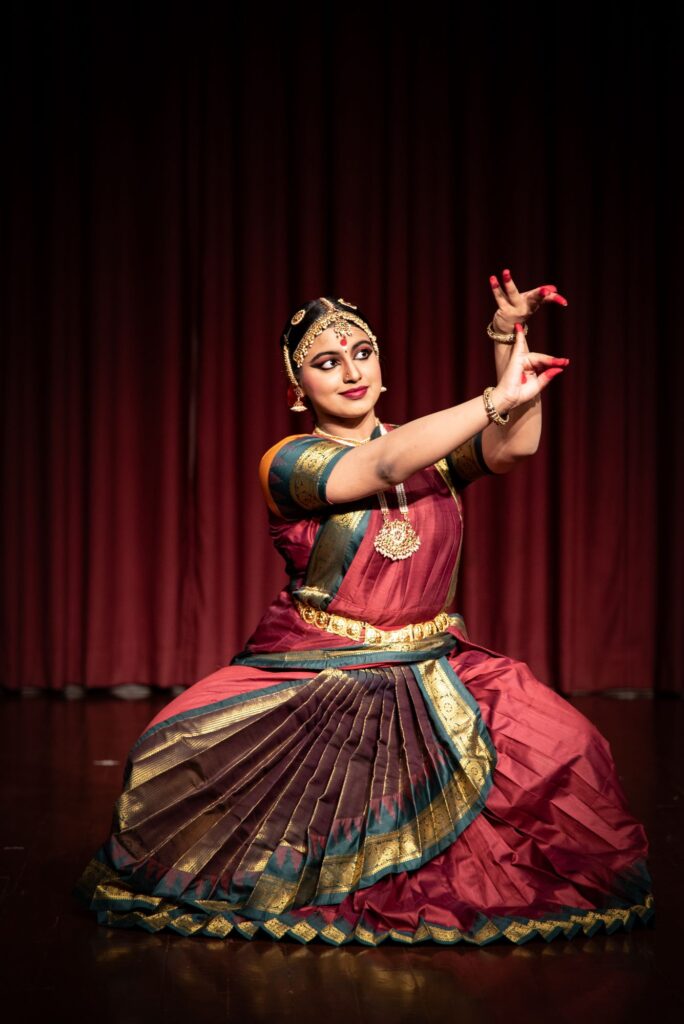
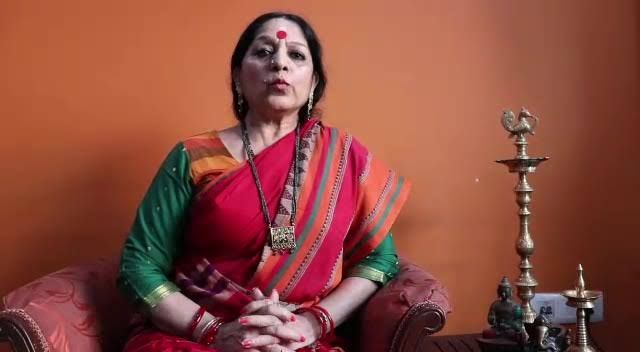
Kaveri Abrol (pic by Prasad Siddhanti)
In a performance that combined technical rigor with profound emotional depth, Kaveri delivered a Bharatanatyam recital that showcased exceptional grace and a commanding stage presence. From the initial invocation to Ganesha to the high-energy finale, the evening was a testament to her disciplined training and innate artistry. Kaveri’s command over Nritta (pure dance) is characterized by dexterity and surgical precision. During the jathis and swarams of the Varnam and the concluding Thillana, she navigated intricate patterns of adavus with a lightness of foot that belied their complexity. The Varnam—the centerpiece of the evening—was trellised with racy, complex jati patterns. Impressively, Kaveri maintained a perfect equilibrium; while the pace was brisk, she never transcended the three cycles of speed, ensuring every beat was executed with crisp, unwavering clarity. Above all she displayed amazing stamina in such a lengthy perfomance executed effortlessly with so much dexterity and grace. The hallmark of the performance was her absolute adherence to the ancient axiom: “Yatho hastha thatho drishti…” (Where the hand goes, the eye follows). Her mudras were clean and fluid, serving as a seamless bridge to the narrative. Whether portraying the mischievous wisdom of Narada or the spirited pride of Satyabhama, she exemplified the iconographic attributes of these deities with ease. Her eyes, inherently expressive, carried the bhava (emotion) with such intensity that the “divine dualities” of the stories felt tangibly present. This was particularly evident in the Vanajaksha Varnam, where the theme of love toward Krishna was beautifully realized. Kaveri moved effortlessly between the yearning of a Gopi and the meditative devotion of a Muni, her ability to inhabit the entire stage space speaking volumes of her rigorous grounding under Guru Acharya Jayalakshmi Eshwar. The performance was elevated by a stellar musical ensemble that provided a rich tapestry of sound. Guru Acharya Jayalakshmi Eshwar provided a rock-solid rhythmic foundation on the nattuvangam, while Sri K. Venkateshwaran’s melodious vocals added a layer of soulful resonance. The rhythmic play of Thanjavur Keshavan on the mridangam and the lyrical musical contours provided by G. Raghavendra Prasath on the violin tied the performance together into a cohesive, sensory experience. The evening reached its crescendo with an evergreen Thillana in Raagam Kuntaravarali, leaving the audience with a sense of vibrant, rhythmic completion.
Dvitva: Concept Note
Before creation and before space and time, Prakṛti lay merged with the Supreme Spirit, suspended in the Uncreate without separate existence, resting in eternal timelessness. When the germ of desire for creation stirs, the Supreme Unmanifest Spirit divides itself—its right half becoming Puruṣa, and the left, Prakṛti. This cycle repeats yuga after yuga.
In Indian cosmology, Puruṣa represents not only the transcendental Self or pure consciousness but also masculinity, maleness and the vital sentient truth- Satya. This activates the visible world or Prapañca. Prakṛti embodies nature, Śakti, the informing creative force, and the feminine—the matrix within which śṛṣṭi (creation) is born. While Puruṣa refers to the “cosmic being,” hidden and latent, Prakṛti is manifest and expressive. The world itself is born of their union; duality is thus the very foundation of existence.
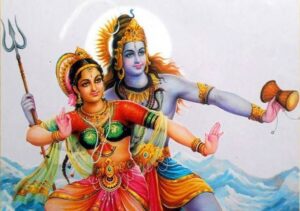
Distinct but Interdependent: While they are distinct, Purusha and Prakriti unite to create the universe, where Purusha acts as the source of light, and Prakriti becomes the form, much like a dancer moving in front of an audience. This philosophical duality finds expression in classical arts, both performative and visual through the motif of the God and his/her spouse, the lord and the devotee, the deity and the created world. These dualities manifest in divine dyads / divine-human dyads such as Uma-Maheśvara, Lakṣmī-Nārāyaṇa, Rādhā-Kṛṣṇa, Murugan-Valli, Ganesh, Riddhi and Buddhi.
This production traces the Leela or divine play of the gods through narratives of dance performance, through a spectrum of rasa-bhāva—from śṛṅgāra that is romantic love to śānta-bhakti that is tranquil devotion. From domestic harmony to ecstatic surrender. Through nuanced movement and expression, the performance becomes an offering of sattva—an essence of reverence, grounded in penance, play, and prayer. Music and Dance, Guru and Shishya come together to create this as the ultimate unison of elements that make rasa and rasika harmonise their energies.
The first offering is to Ganapati , to the god who within Himself encompasses and transcends all contradictions, He is the Lord of Beginnings and Vigneshwara the Lord of Obstacles. The invocation through dance celebrates the ultimate surrender of the devotee to the God. Ganesha’s creation myth is relived through this miraculous birth, his beheading and getting of the elephant head, his iconographic description as being ek-dant- one tusked, Sukesha- having beautiful hair, and his partaking all contradictions is brought to life through beautiful choreography and music.
Item: Vanajaksha Varnam Raga Tala Composer: Choreography: Acharya Jayalakshmi Eshwar
This varnam having multiple layers explores the many ways that the devotee views Lord Krishna. Krishna the Supreme through manifestation with his devotees resolves many dualities. Through his wives, through Draupadi, the gopas and gopis, the flute and Rsis and the inhabitants of Braja. The first story relates to Krishna’s marriage to Rukmini, from her longing for Krishna and subsequent summons to rescue her, his going to Vidarbha post haste, their elopement and her brother Rukma’s interception. Rukmini begged Krishna to spare her brother’s life which he does and their ultimate blissful union.
The second story focuses on Krishna the protector who grants his grace to Draupadi who prays to him to save her honour, when all forsake her. She is dragged to the court by the Kauravas after Yudhishtra loses the gamble, where Dushasana tries to disrobe her. Krishna provides an unlimited quantity of fabric (symbolism of his grace) till the villain is tired and gives up.
The third story again views Krishna who provides protection and grace to his devotees, in this case the inhabitants of Braja, who seek shelter under the Govardhan hill from incessant rain which Krishna lifts to enable all inhabitants, the cowherds, the cattle, the rshis, like he saves all of humanity.
The fourth story is Venu Gopala that shows all beings, the gopas and the gopis, the cows of Vrindavan, drawing devotees into ecstatic union through enchanting melodies that awaken longing and bliss. It signifies the heart becoming an instrument for the divine, surrendering ego for divine purpose, and transcending the material world through devotion (Bhakti). Krishna is the most beautiful and attractive of all beings, equal to a koti Kamadevas or Manamattas
The last story is about Satyabhama, one of the primary ashtabharyas or 8 principal wives of Krishna who is instigated by Narada to test Krishna’s love for her, in contrast to Rukmini. He asks her to weigh Krishna against all her ornaments and if Krishna remains heavier Narada would take him in servitude. Despite putting all her jewels and those of all the other wives, the scales do not move in her favour. She then asks Rukmini for help, who then puts a single leaf of tulsi and Krishna rises in the scale, proving that under what appears to be dual all is samta – primal sameness and all is Krishna’s creation. Krishna he loves both Rukmini and Satyabhama equally, as he does all his devotees. The material and metaphysical all dwell in Krishna and they equal and balance each other
Item: Pasa Khelat Raga Tala Composer: Choreography: Acharya Jayalakshmi Eshwar
In order to make the world understand the profound nature and the depth of duality, Leela and khela or sportive play is often used as a device. In this evocative composition, Krishna and Radha are shown playing a game of charusar, which seemingly is lost and won by one or the other in their turns but in the end it is revealed that the autonomous play of chance is only the lila of Krishna who beguiles the world which too is all his Creation.
The game is played on a jewelled board, with Radha asking Krishna to bet his pitambhar- yellow garment, his identity as the Lord of the World which he loses to her, He asks her to stake something precious to her and she bets and loses her nose ring, a symbol not only of her femininity but also of marital bliss. She then ask Krishna to stake his flute to give the game real weight. He is reluctant to part with the instrument that is divine call to the soul, representing spiritual love (Prema), divine attraction, and the union of the individual soul (Jivatma) with the Supreme (Paramatma). Radha uses a ruse to win the bansi or flute, and Krishna says I will stake all my ornaments but return the flute, but ultimately reflects that the flute, Radha and all the created beings are all Him/His and that the only truth is the Union in which all delight. the composer the spectators and verily the universe participate in the Leela
Item: Varattam Svami Raga Tala Composer: Choreography: Acharya Jayalakshmi Eshwar
This padam expresses a devotee’s deeply personal longing for Lord Murugun ( Bala Kumaran). The absence of the deity is expressed through the leitmotif “Let him come if he comes I will show him” being expressed by the khandita nayika, or the angered heroine through whom the bhakti-shringara dualities are expressed and ultimately resolved. The duality between the deity and the devotee is also highlighted through the Khandita Nayika who rebukes Murugan or Karttikeya. The intimate bond between the two is shown here where the lord is indulgent to the many moods and accusations of his devotee and allows her to dally while through his counters establishing that Murugun is greater than any lakshans or characteristics that a devotee may like to attribute.
Item: Kuntaravali Thillana Raga Tala Composer: Choreography: Acharya Jayalakshmi Eshwar
The Thillana is a vital, penultimate performance in a traditional Bharatanatyam Margam recital. It is a vibrant, high-energy climax that showcases the dancer’s technical virtuosity, rhythm, and grace. It represents the culmination of pure dance (Nritta) and rhythm (laya) and seeks to balances the dancer’s mastery of rhythm, space, and technique with a final, elegant nod to devotion The Kuntarvali is Raga is playful, Vibrant joyfull in which all can participate.
Ek Thi Ladki Urf Ve Kuch Pal: A Tale of Three Generations Unveiled at Bharat Rang Mahotsav 2026
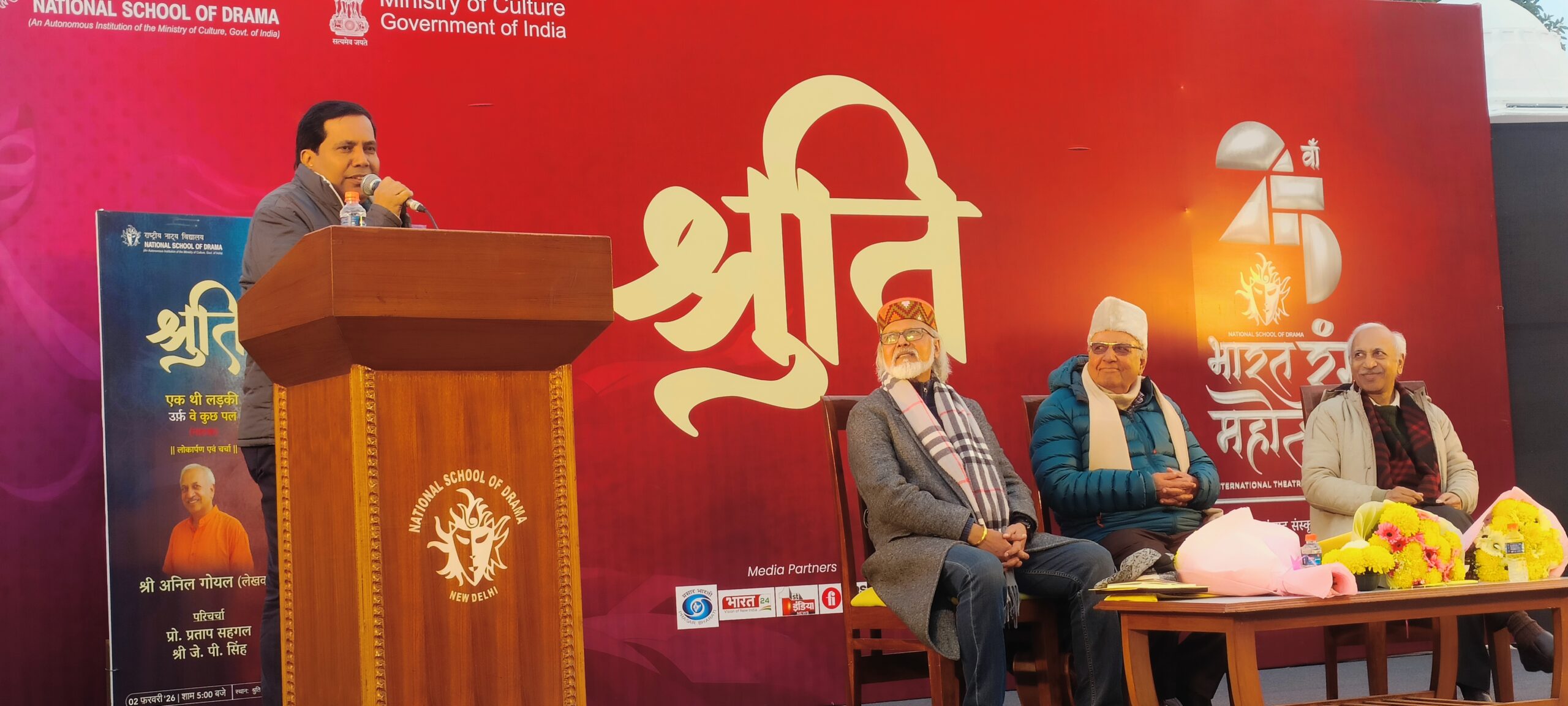
As part of the ongoing Bharat Rang Mahotsav (BRM) 2026, the National School of Drama (NSD) recently hosted a compelling book launch and panel discussion for Ek Thi Ladki Urf Ve Kuch Pal, a new play by veteran journalist and playwright Anil Goyal.
Far more than a mere showcase of performances, BRM continues to serve as a vital intellectual hub where theater practitioners, scholars, and students converge to explore the evolving landscape of dramatic literature. Memory as a Narrative Tool Held at the Shruti Manch within the NSD campus, the event was moderated by Prakash Jha, who steered the conversation toward the play’s unique structural and linguistic nuances.
Anil Goyal described the work as a pure love story, spanning a vast temporal arc from 1974 to the present day. By weaving together the experiences of three generations, the play offers a panoramic view of changing emotional sensibilities. Key highlights of the discussion included:
Non-Linear Storytelling: The play eschews a traditional chronological plot, moving instead through the fluid corridors of memory and emotion.
Dual Personification: In a striking directorial choice, the protagonist is represented by two versions on stage simultaneously—the younger self and the elder self—symbolizing the internal dialogue between past and present.
The Language Debate: Addressing the “Ritikaal” (classical/ornate) influence on his prose, Goyal noted:
“Today’s youth possess a remarkable sensitivity. Even if the language feels ‘old-world,’ their willingness to embrace its depth is a heartening sign for the future of Indian theater.”
Distinguished speakers Prof. Pratap Sehgal and Shri J.P. Singh emphasized that the play prioritizes the “state of mind” over mere plot points. They noted that because the narrative returns to the past as frequently as a flickering memory, it defies conventional scene-and-act structures, lending it a distinct, avant-garde identity.
The panelists praised the work for its delicate portrayal of womanhood, time, and the ephemeral nature of “lost moments.”
The launch of Ek Thi Ladki Urf Ve Kuch Pal underscores the true essence of the Bharat Rang Mahotsav: viewing theater not just as a staged spectacle, but as a living tradition of dialogue and ideas. Anil Goyal’s latest contribution is a testament to the enduring power of simplicity and the complexity of the human heart.
‘Sunta Hai Koi’ — A Theatre Reading that Questions Power, Silence, and the Common Voice
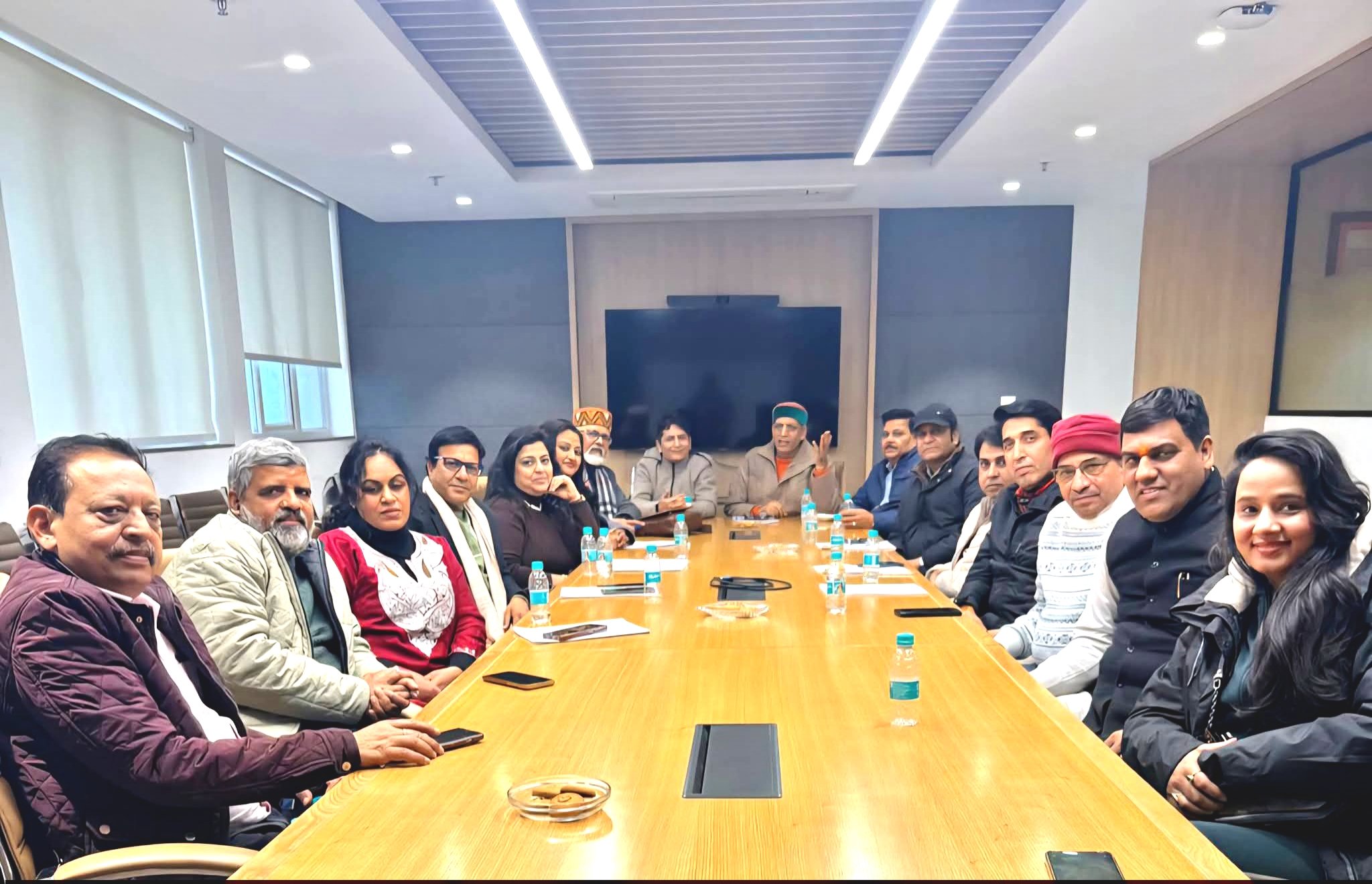
A reading of playwright Dr.Harisuman Bisht’s new play Sunta Hai Koi was held on 2 February 2026 at Anuvrat Bhavan, New Delhi. The event witnessed the presence of senior theatre directors, playwrights, and active theatre practitioners from Delhi, transforming the reading into a meaningful space for dialogue rather than a routine literary exercise.
‘Sunta Hai Koi’ explores an invisible yet omnipresent system—one that governs lives without ever fully revealing itself. The play does not raise loud slogans against authority; instead, it quietly exposes the growing insensitivity within systems, the complexities of bureaucratic mechanisms, and the helplessness of the common citizen trapped inside them. This restrained and reflective approach gives the play its mature political and social depth.
One of the most striking structural elements of the play is the use of off-stage voices, which emerge as metaphors for power and authority. While certain sections of dialogue and ideological articulation may demand tighter theatrical compression from a performance perspective, the play’s conceptual clarity and symbolic language remain its greatest strengths. Characters—ranging from ordinary individuals like Ramswaroop and Mohan to representatives of institutional machinery—appear as recognisable faces of contemporary social reality.
The reading was followed by an in-depth discussion among theatre practitioners including Dr Harisuman Bisht, Dr Suvarn Rawat, J. P. Singh, Shyam Kumar, Mun Mun, Ashraf Ali, Rajesh Bakshi, Daksha Sharma, Mamta Karnatak, Priyanka Sharma, Bhupesh Joshi, Sanjeev Agnihotri, Manoj Chandola, Charu Tiwari, Hem Pant, Sudhir Pant, and Ramesh Kandpal (Anuvrat). The discussion highlighted the play’s strong relevance in the present socio-political context.
The collective response clearly indicated that ‘Sunta Hai Koi’ holds strong performative potential, and with focused direction, it can establish a powerful dialogue with contemporary audiences. The reading reaffirmed that ideologically driven theatre continues to be both alive and necessary within today’s Hindi theatre landscape.
On this occasion, Ramesh Kandpal from the Anuvrat organisation introduced the gathering to Anuvrat’s ideological vision, its cultural activities, and the architectural and cultural significance of the Anuvrat Bhavan. He also facilitated an interaction between the theatre practitioners and Munishri Udit Kumar, who appreciated the artists’ work and encouraged them to pursue more meaningful, serious, and socially relevant creative practices in the future.
Natsamrat Delivers a Riot of Laughter at LTG Auditorium
Natsamrat transformed the LTG Auditorium, Mandi House, New Delhi, into a vibrant space of laughter and theatrical joy with four engaging performances of two popular comedy plays on 26 January 2026. Directed with confidence and flair by Shyam Kumar, the evening stood out as a celebration of popular theatre, combining sharp humour, energetic performances, and relatable social themes that resonated strongly with the audience.
The programme opened with Anton Chekhov’s iconic one-act comedy TheProposal. What begins as a simple marriage proposal soon descends into a series of hilariously exaggerated arguments over land, pride, and even a pet dog. The production sparkled with impeccable comic timing, crisp dialogue delivery, and high-voltage performances. The actors handled Chekhov’s fast-paced exchanges with remarkable ease, ensuring sustained laughter and spontaneous applause throughout the performance.
The second presentation, Kallu Nai MBBS, brought a refreshing shift in tone with its rooted, desi humour and sharp rural satire. The play revolves around a drunken and oppressive barber whose wife decides to teach him a lesson in his own language. The narrative takes a comic turn when two servants searching for a doctor to cure their master’s mute daughter forcibly turn the barber into a ‘doctor’. Packed with situational comedy, witty dialogues, and colourful characters, the play not only entertained in abundance but also subtly commented on social hypocrisies, superstition, and domestic violence, making the humour both engaging and meaningful.
Performers Munmun, Rajan K. Batheja, Shivangi, Raman Kumar, Aman Kumar, Vansh Rathore, Shammi, and Ansh Rathore brought infectious energy to the stage, keeping the audience thoroughly engaged from beginning to end. Their spirited performances, supported by disciplined direction, ensured that every comic moment landed effectively.
The success of both productions was equally strengthened by the dedicated efforts of the backstage artists and technical team. Behind the scenes, Sunil Rathore, Suraj Singh, Pawan, Nisha, Poonam, Rani, Rohit Prasad, Rohit Prasad, and Poonam contributed significantly through efficient costume management, enhancing the visual authenticity of the performances. The musical atmosphere created by Vansh Rathore added rhythm and emotional texture to the scenes, further amplifying the overall stage impact.
With these back-to-back comic successes, Natsamrat once again reaffirmed its command over popular theatre. The productions proved that when lively performances, thoughtful direction, and strong backstage support come together, comedy theatre becomes not just entertainment, but a powerful and memorable theatrical experience.
A Living Celebration of Folk Traditions at Kala Sankul on Basant Panchami
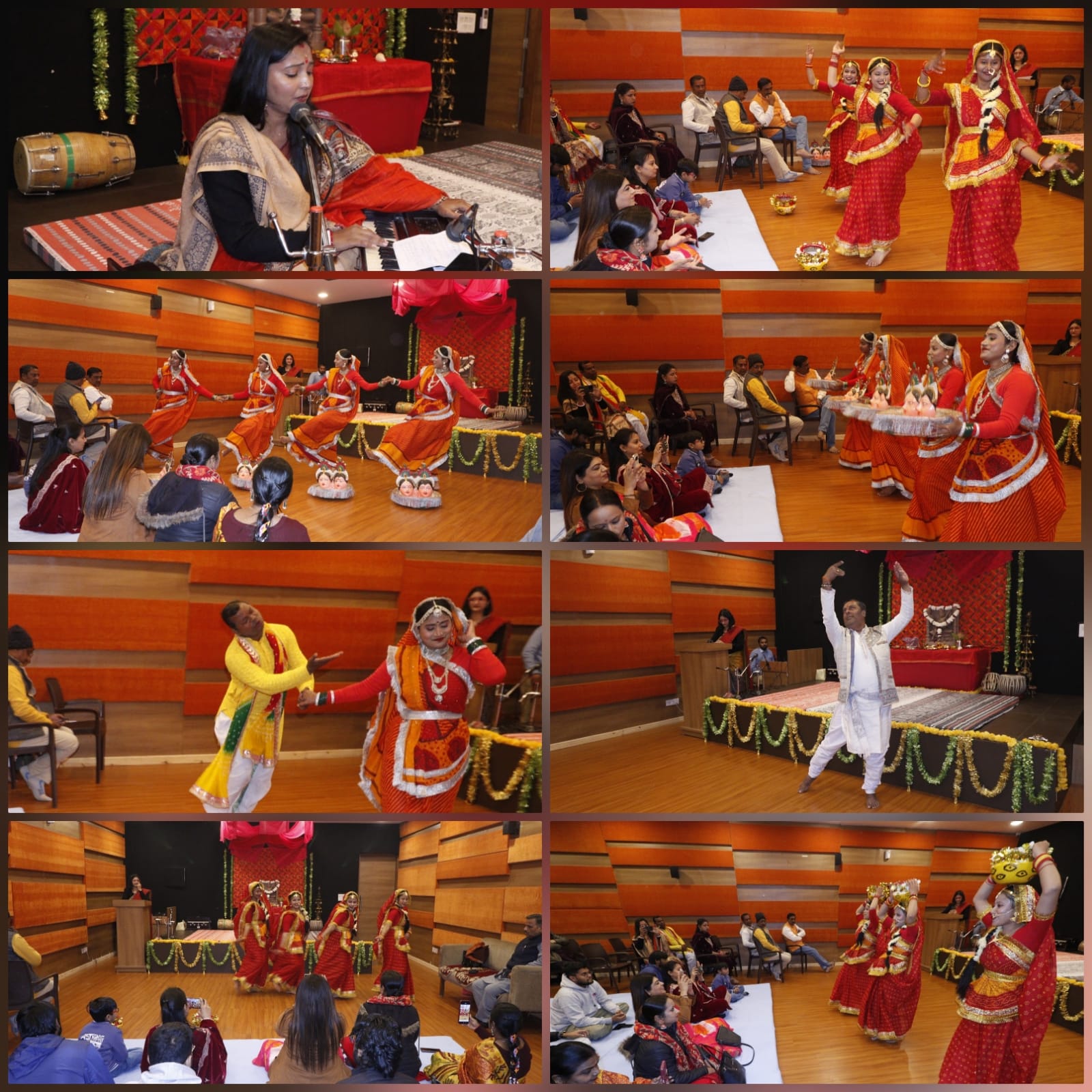
At Kala Sankul, the art centre of SanskarBharati, New Delhi, a monthly symposium dedicated to folk arts and Indian cultural traditions was held on 23rd and 24th January 2026 on the auspicious occasion of Basant Panchami. Conducted in a dignified and emotionally resonant atmosphere, the two-day event emerged as a vibrant celebration of India’s folk consciousness, artistic devotion, and cultural memory.
The first day began with the ceremonial worship of Goddess Saraswati, invoking wisdom, creativity, and artistic insight. Scholars, artists, and cultural practitioners participated in the ritual, creating an ambience of serenity, contemplation, and spiritual warmth that set the tone for the days ahead.
The cultural evening on the second day, held at 5:30 PM, unfolded as a memorable showcase of India’s rich folk heritage. The programme commenced with the lighting of the ceremonial lamp by Sh.Ashok Tiwari, Central Office Secretary; Sh.Sanjay Kumar Poddar, Provincial General Secretary (South Bihar); Shruti Sinha, Symposium Convener; and Mrityunjay Kumar, Monthly Coordinator. Under the gentle glow of the lamps, the stage seemed illuminated by the very spirit of India’s folk traditions.
Folk vocalist Chandni Shukla captivated the audience with her melodious singing, reflecting the simplicity and sweetness of rural life. Her songs carried the fragrance of the soil and evoked memories of village landscapes. This was followed by a soulful Saraswati Vandana presented by renowned artist Amit Kumar, which filled the auditorium with devotion and reverence.
The sequence of folk dances presented a vivid tapestry of regional traditions. The Jhhijhiya dance, performed by Akanksha, Nishu, Dipriya, Rinkle, and Aastha from Purnia, beautifully expressed collective faith and folk spirit. This was followed by the energetic Jat-Jatin dance by noted folk dancers Uday Singh and Shruti Mehta, whose rhythmic vitality held the audience spellbound.
The Sama-Chakeva dance, performed by Shruti, Pratiksha, Rajnandini, and Shambhavi, conveyed delicate feminine emotions deeply rooted in folk life. The evening concluded with vibrant presentations of Jhumar and Kajri, filling the atmosphere with joy and festive exuberance.
These performances were not merely artistic displays but living expressions of traditions passed down through generations. Every rhythm, movement, and melody reflected the depth of India’s cultural memory.
The monthly symposium stood as a meaningful initiative towards the preservation, promotion, and transmission of folk arts to younger generations. The presence of art lovers, intellectuals, and young audiences added depth and significance to the event.
At the conclusion of the programme, all participating artists were honoured with ceremonial shawls by Abhijeet Gokhale, All-India Organisation Secretary, and Ashok Tiwari, in appreciation of their dedication and artistic commitment.
The programme was conducted with grace and clarity by Garima Rani, while Shruti Sinha, Symposium Co-convener, delivered the vote of thanks. The success of the event was made possible through the dedicated efforts of renowned announcer Bharti Dang, Programme Coordinator Mrityunjay Kumar, Brijesh Kumar, Harshit Goyal, Vijender Kumar, and Ritambhara.
This gathering became a cherished cultural memory—where folk art re-emerged with beauty, dignity, and heartfelt warmth.
Marilyn Monroe: My Crush” — Beyond Glamour, a Poignant Exploration of Womanhood
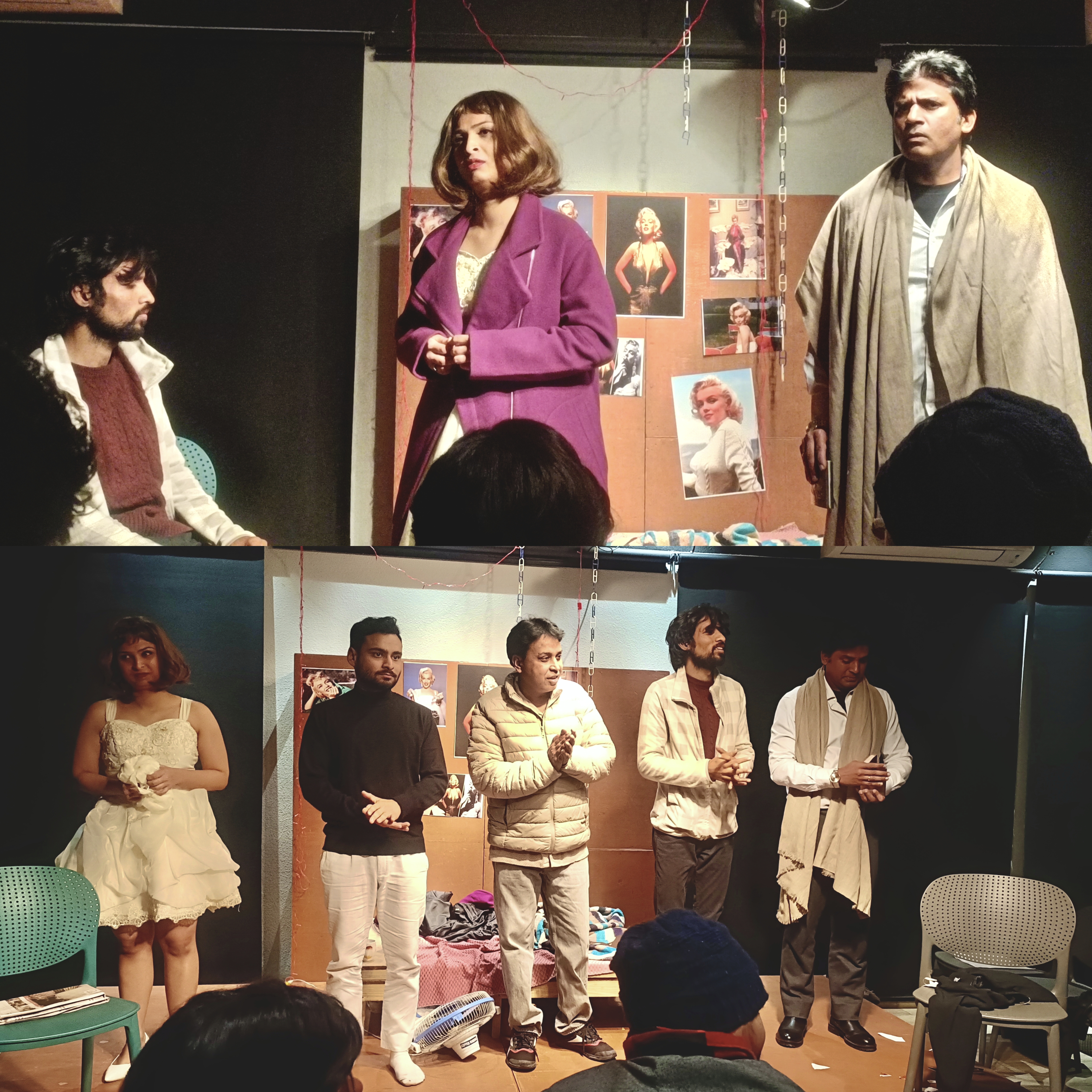
Presented by Anuragna Theatre Group, Marilyn Monroe: My Crush was staged on 17 January 2026 at LTG Blank Canvas Studio, Mandi House, New Delhi. Written and directed by Ashraf Ali, the production offers a deeply sensitive and thought-provoking theatrical experience that peers behind the dazzling image of Marilyn Monroe to explore a woman’s identity, inner pain, and the roles imposed upon her by society.
Marilyn Monroe—celebrated globally as an icon of beauty, desire, and success—lived a life marked by loneliness, vulnerability, and constant control. The play reimagines this historical truth within a contemporary setting. The narrative unfolds around three young men sharing a room and their friend Malti, who, because of her appearance, is nicknamed “Marilyn.” Gradually, the nickname transforms into a role, and Malti begins to live the image projected onto her.
As the three male characters slip into the roles of men associated with Marilyn Monroe’s life, the stage becomes a space where more than dramatic events occur. Complex dynamics of love, power, attraction, and control surface with striking clarity. The play incisively reveals how society often reduces a woman to her image, ignoring her emotional depth and inner world. Malti’s eventual reclaiming of her identity forms the emotional and ideological climax of the performance.
Shriya Kumar, portraying both Malti and Marilyn Monroe, delivers a performance marked by profound sensitivity and intensity. Chirag Goyal, Bharat Kumar, and Prof. Sumit Nandan convincingly handle their dual roles, strengthening the play’s conceptual and emotional framework.
The technical design works in seamless harmony with the narrative. Manik Sharma’s music enhances the emotional transitions, while Rajesh Bakshi’s lighting design powerfully reflects the shifting psychological landscapes. Ankit Sati’s costumes and properties, along with Manisha Sharma’s makeup, lend authenticity and depth to the characters’ transformations.
Overall, Marilyn Monroe: My Crush emerges as a compelling, nuanced, and intellectually engaging production—one that humanely and respectfully brings to the fore the woman hidden behind the glitter of glamour, inviting audiences to reflect on identity, perception, and dignity.
Anand Math” at Hindi Academy: An Ensemble Journey of Conscience, Sacrifice, and National Awakening
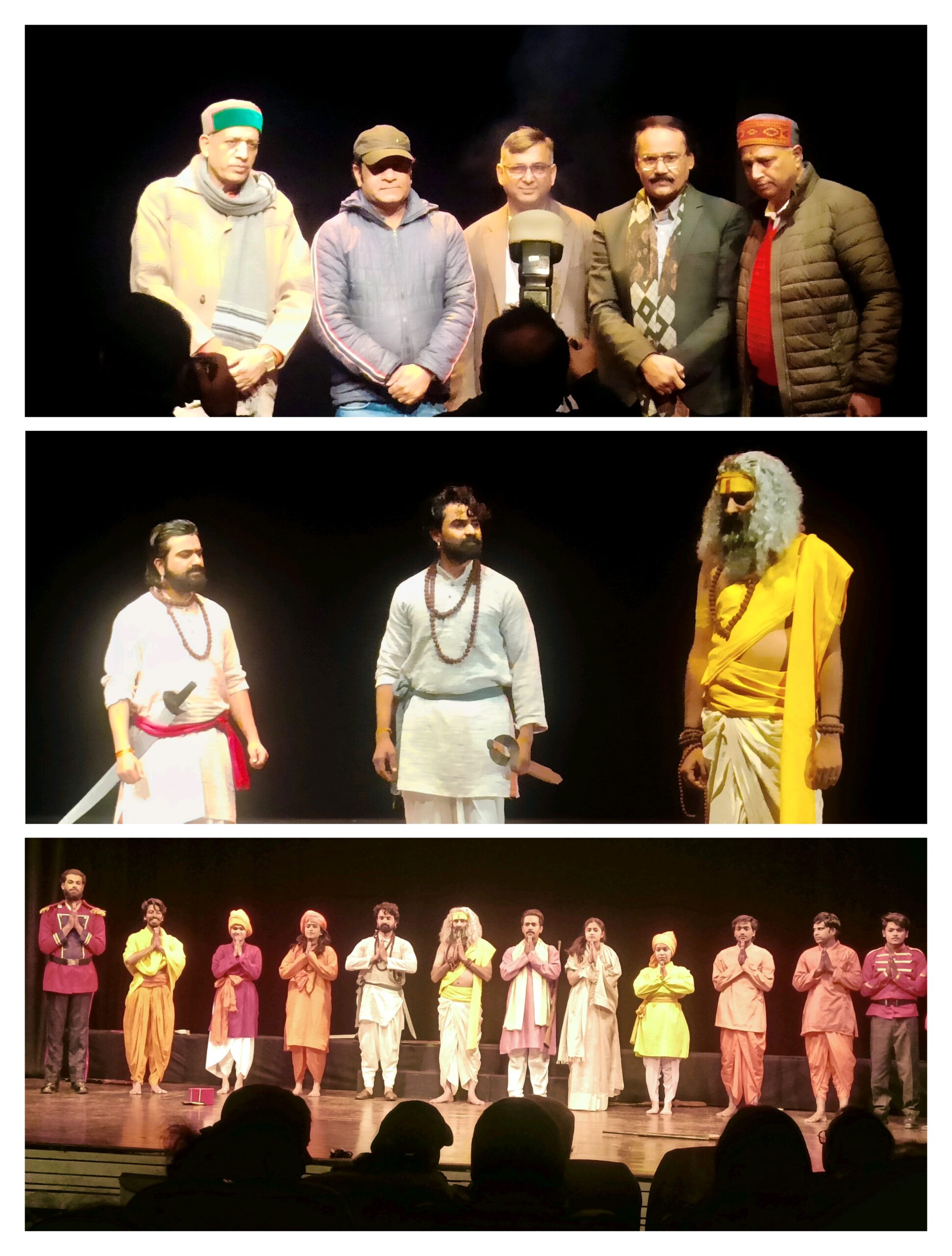
Presented under the cultural initiative of Hindi Academy, Delhi, Anand Math by Theatre Actor’s Studio, staged on 6 January at Shri Ram Centre, Mandi House, unfolded as a profound, disciplined, and ideologically resonant theatrical experience. Based on the timeless novel by Bankim Chandra Chattopadhyay, the production rose beyond historical retelling to become a living reflection on sacrifice, moral conflict, and collective awakening
The adaptation by Ashraf Ali retains the philosophical gravitas and nationalist spirit of the original text while shaping it into a theatrically fluid narrative. Personal stories are intricately woven into the larger political and spiritual struggle, allowing the audience to engage with the material at both emotional and ideological levels.
Conceptualization and Direction by Rajesh Bakshi emphasize restraint, clarity, and ensemble harmony. Eschewing ornamental spectacle, Bakshi builds the production on inner discipline, rhythmic staging, and collective physicality. His direction reinforces the idea that Anand Math is not a tale of isolated heroism, but of shared resolve—an approach deeply aligned with the ethos of the Sannyasi movement.
The performance opened with a traditional invocation, immediately situating the audience within the spiritual and cultural world of the play. The presence of eminent guests— Former Hindi Academy Secretary Dr. Hari Suman Bisht, Senior Theatre Practitioner Shyam Kumar, Hindi Academy Secretary Sanjay Garg, along with Jagdish Sharma and Mridul Awasthi—added institutional dignity and cultural depth to the evening. The Hindi Academy platform itself underscored the literary and historical significance of the production.
Set in late 18th-century Bengal, amid famine, colonial exploitation, and social upheaval, the play traces the emergence of the Sannyasi movement. Within this expansive ideological canvas, the characters of Mahendra Singh (Raju Raje Singh) and Kalyani (Ritika Mishra) form the emotional spine of the narrative. Mahendra’s internal struggle—caught between domestic responsibility and national duty—is portrayed with restraint and quiet intensity. His gradual moral awakening anchors the audience’s emotional journey.
Kalyani, portrayed with sensitivity and dignity, emerges as a pillar of emotional strength. Ritika Mishra lends the character a composed resilience and silent courage, transforming Kalyani into a moral compass rather than a passive presence. Her emotional endurance and spiritual clarity subtly guide Mahendra’s transformation and deepen the human dimension of the play.
The ideological axis of the production is embodied in Satyanand (Nikhil Sahu), whose composed authority, ascetic discipline, and philosophical depth give voice to the spiritual foundation of the Sannyasi movement. His presence lends the play gravitas and ethical clarity. Characters such as Jivanand (Vikrant Sharma) and Bhavanand (Naveen Kumar) further reinforce the collective strength of the movement through performances rooted in physical discipline and controlled intensity.
An equally significant presence is Shanti, portrayed by Pragya Singh Rawat, whose performance brings a nuanced blend of emotional vitality and ideological commitment. Shanti functions as a bridge between personal emotion and collective purpose. Pragya Singh Rawat’s expressive clarity, controlled physicality, and sustained stage energy lend the character depth and conviction. Her presence in ensemble scenes adds momentum, while her individual moments reflect inner resolve and quiet determination, making Shanti an integral force within the narrative structure.
The entire ensemble—including Muskan Bhandari (Bhabhi), Disha Negi (Nimai), Akshay Dobra (Dheeranand/Guard), Akshat Avi Kishor (Captain), Hemlata (Mata), Saurabh Kumar (Lindley), and Saurabh, Sachin Gehlot, and Nitesh Tiwari as peasants, soldiers, and dacoits performed with remarkable cohesion. No character dominates; instead, each contributes to a unified dramatic fabric through disciplined body language, focused expression, and shared rhythm. The collective energy, especially in group scenes, stands out as the production’s greatest strength.
Choreography by Neelakshi Khandkar provides a powerful kinetic language to the play. The symbolic and rhythmically precise movement patterns—particularly in the Sannyasi formations—visually reinforce themes of unity, sacrifice, and spiritual discipline. Lighting Design by Rahul Chauhan sensitively shapes the emotional landscape, while music by Shivankar Deshwal infuses the performance with restrained intensity, enhancing both dramatic tension and ideological resonance.
In its entirety, Anand Math stands as a compelling example of ensemble-driven theatre, where individual journeys—especially those of Mahendra, Kalyani, and Shanti—intersect meaningfully with a larger national and spiritual vision. Presented on the prestigious platform of Hindi Academy, this production reaffirms theatre’s enduring power to engage history as living consciousness.
Anand Math is not merely a performance—it is a collective meditation on duty, sacrifice, and conscience, leaving the audience reflective, stirred, and deeply moved.
Kala Sankul Hosts Engaging Symposium on Indian Art and the Role of CCRT
New Delhi. The central office “Kala Sankul” of Sanskar Bharati hosted a meaningful symposium that brought together artistic perspectives, creative expression and cultural dialogue under one roof. The event marked three successful years of the Kala Symposium Series, making the gathering a moment of both reflection and renewal.
The program commenced with a traditional lamp-lighting ceremony performed by the Chief Guest Dr. Vinod Narayan Indurkar (Chairman, CCRT), Symposium Convener Shruti Sinha, Co-convener Vishwadeep Ji, Program Coordinators Sakshi Sharma and Sneha Mukherjee.
With the theme “The Role of CCRT in the World of Art from an Indian Perspective,” Dr. Indurkar delivered the keynote address. He emphasized that:
“Indian art is not merely an act of expression — it is a worldview, a way of life. Our responsibility is to carry this consciousness forward to the next generation through structured institutional efforts.”
He highlighted CCRT’s contribution in preserving India’s folk and classical traditions, supporting artists, and strengthening cultural awareness at the national level. His address offered a deep insight into how policy, pedagogy and cultural values interconnect in shaping India’s artistic future.
Artistic Presentations Enrich the Dialogue
The symposium was further elevated by soulful performances. Ujra Akshara, Prof. (Dr.) Rachna and Sadhit Kaushal presented musical renditions that echoed the cultural spirit of India. Aparna Sarathe and Aman Pandey expressed philosophical ideas through Kathak, transforming thought into movement and emotion. These artistic offerings ensured that the gathering was not only intellectually stimulating but also emotionally resonant.
A Gathering of Artists, Scholars and Young Voices
The event witnessed enthusiastic participation from artists, cultural practitioners, scholars, students and young art enthusiasts. The symposium concluded with a shared resolve to revitalize cultural awareness and sustain the continuity of Indian artistic heritage.
Organizing Team and Contributors
The successful execution of the monthly symposium was supported by: Harshit Goyal, Sneha Mukherjee, Garima Rani, Pradeep Pathak, Priyanka, Nidhi Tiwari, Deepti, Brijesh Kumar, Vijender Kumar, Sushank and Mrityunjay Ji. Kuldeep Sharma skillfully conducted the proceedings.
Kala Sankul’s Commitment
Kala Sankul reaffirmed its mission:
“This platform will continue to recognize and encourage artists and institutions that bring forward the sensitive, meaningful and socially relevant questions of art, culture and the nation with a constructive and courageous vision.”