The Triumph of Theater on Delhi’s Stage through Natsamrat Natya Utsav
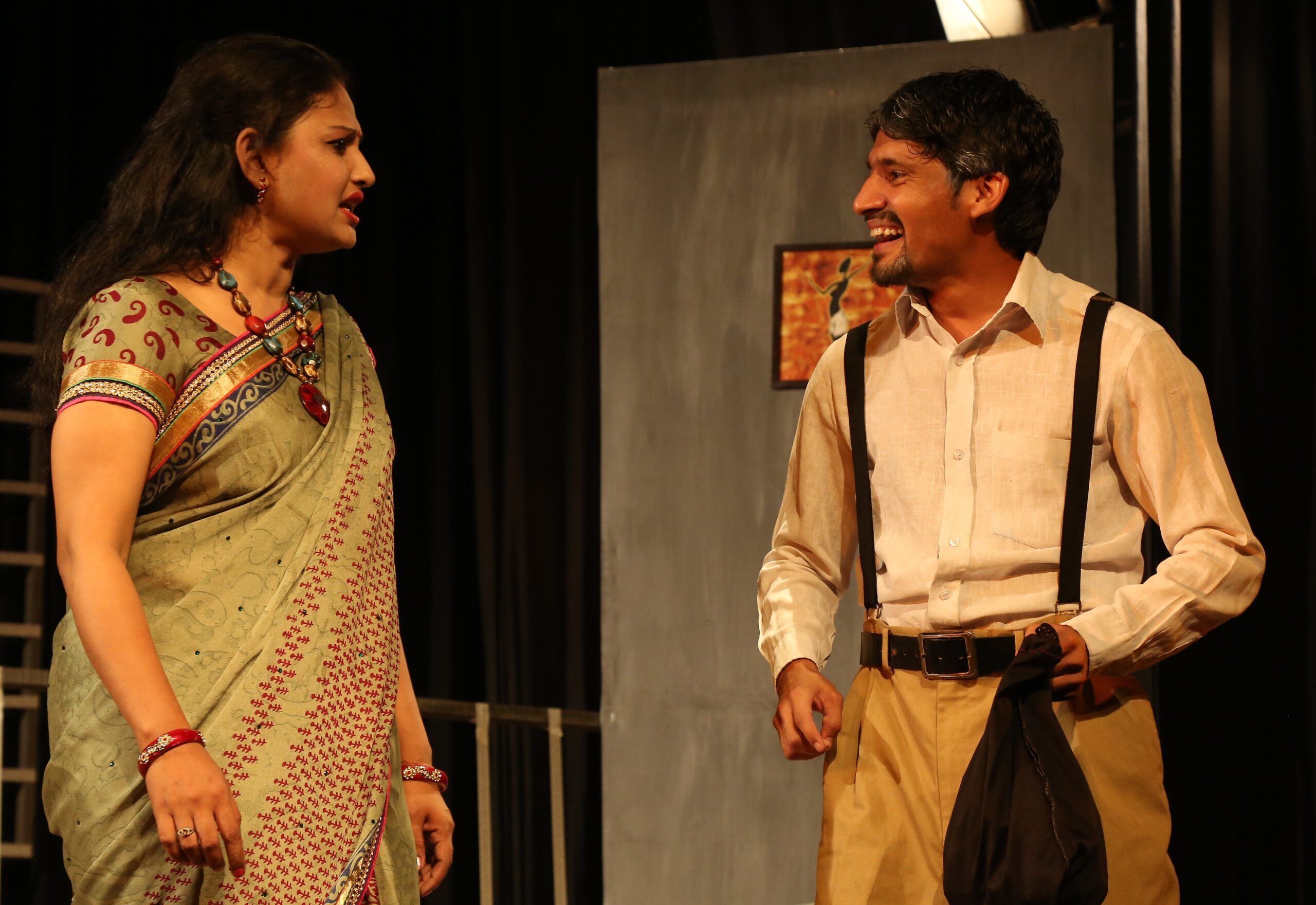
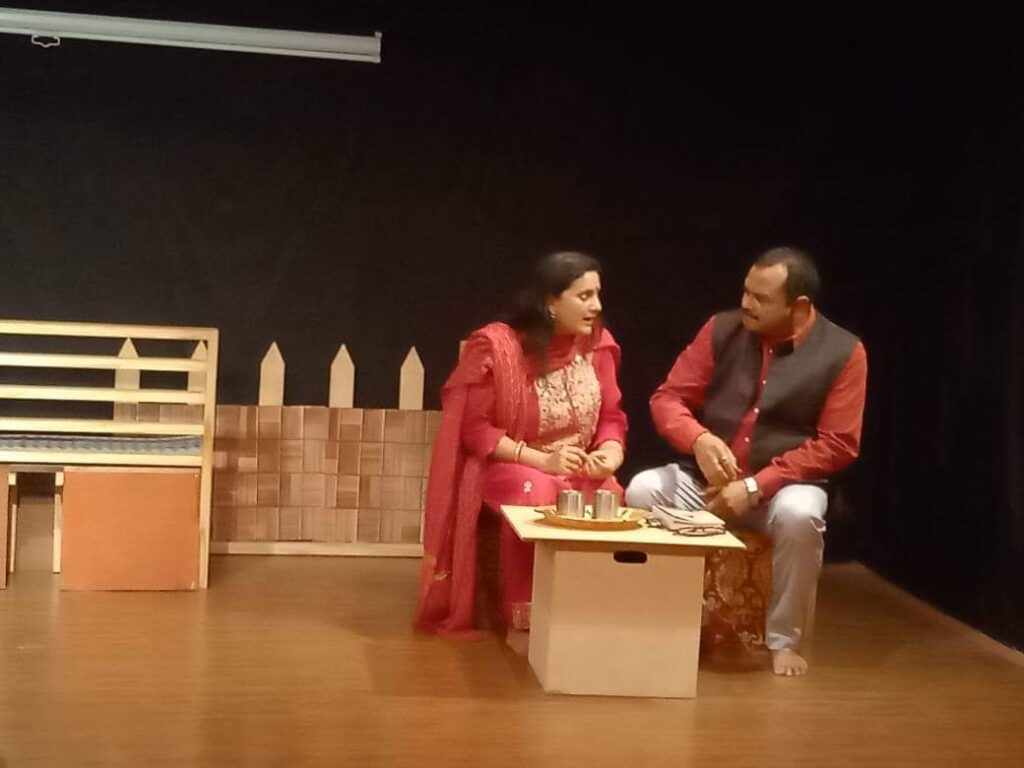
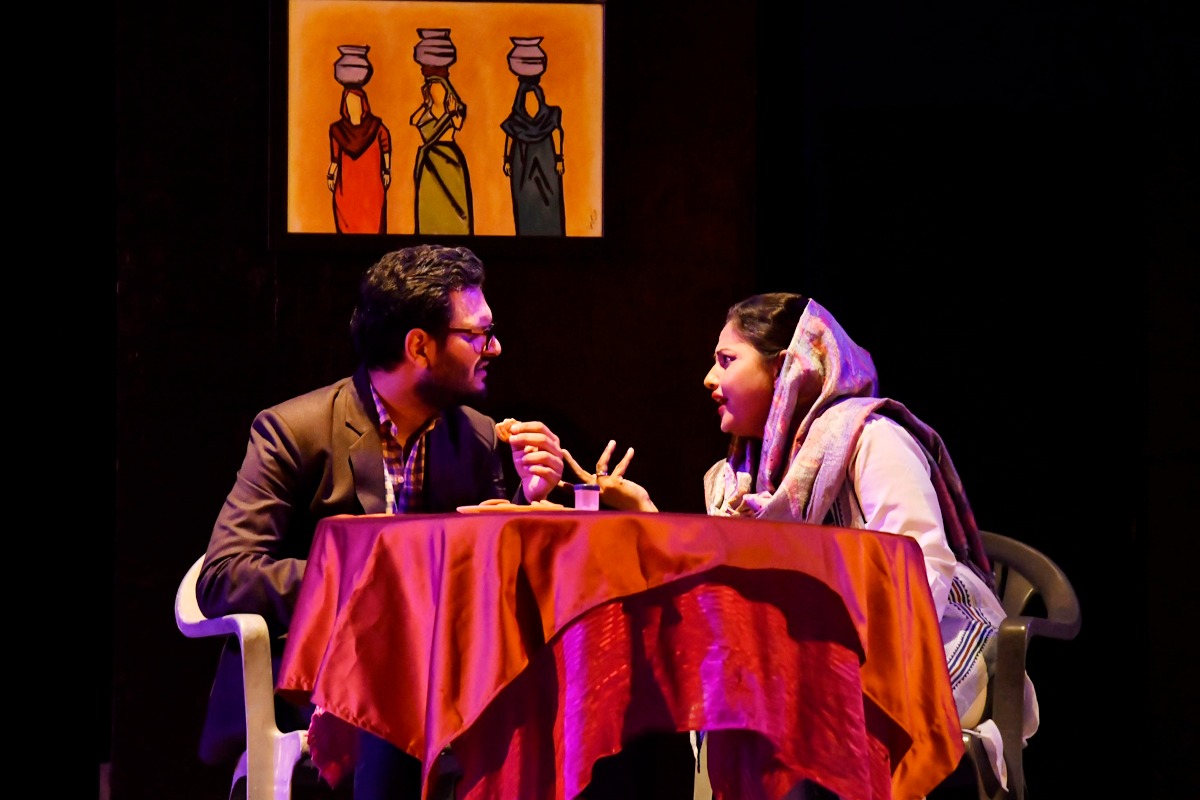
Recently, Delhi’s theater organization Natsamrat presented a total of eight of its seven different plays. Where the audience appreciated all the plays very much. The special thing about Natsamrat’s plays is that this organization performs plays that touch the souls of the audience, giving heart-touching messages to the society through laughter or simplicity. These plays were staged in LTG Auditorium, Mandi House, New Delhi.
The play ‘Fauji’, written and directed by Sanjay Basliyal, was staged on 16 March at 3 pm and the play “Sakharam Binder”, written by Vijay Tendulkar and directed by Vishwajit Alexander, was staged at 4:15 pm on the same evening. The play “Kuch Tum Kaho Kuch Hum Kahan” written by Ashish Kotwal and directed by Shyam Kumar was staged on 17 March at 3 pm and the play “Kambakht Ishq” written by Satya Prakash and directed by Shyam Kumar was staged on the same evening at 4:15 pm. Went. The play “Comedy Junction”, written by Anton Chekhov and directed by Fareed Ahmed, was staged on March 23 at 3 pm and the play “Chandralok.com”, written by Harishankar Parsai and directed by Rakesh Kodinya, was staged at 4:15 pm. The comedy drama “Kallu Nayi MBBS”, written by Molière and directed by Shyam Kumar, was staged on 30 March at 6:30 pm and 7:45 pm (2 shows).
All the actors associated with the drama created a different place in the minds of all the viewers with the magic of their acting. One audience even said that our family always waits for your plays. Another viewer said that Natsamrat’s plays are such that every age member of the family feels happy. Natsamrat director Shyam Kumar said that we will continue to bring such plays in front of the audience and through our plays will continue to give messages to the society on deep topics through laughter.
‘सर सर सरला’ उर्फ ‘श्रंगार काण्ड’… मंच पर कविता
समीक्षा: अनिल गोयल
मंच पर कविता का मंचन लगभग बीस-बाईस वर्ष पूर्व देखा था, जब भोपाल से भारत रंग महोत्सव में आई विभा मिश्रा का नाटक ‘उनके हिस्से का प्रेम’ देखा था. मंच पर वही कविता एक बार फिर मंचित होती देखी, वशिष्ठ उपाध्याय के निर्देशन में मकरन्द देशपाण्डे के नाटक ‘सर सर सरला’ में, जिसे संजीव कान्त के रंगसमूह ‘कॉमन पीपुल’ ने ‘श्रृंगार काण्ड’ के नाम से 17 मार्च 2024 को प्रस्तुत किया. प्रस्तुति गुरुग्राम में महेश वशिष्ठ के ‘रूफटॉप’ प्रेक्षागृह ‘रंगपरिवर्तन’ में हुई. इस प्रकार के एक छोटे से, ‘इंटिमेट’ स्टूडियो प्रेक्षागृह में इस नाटक की सुन्दर प्रस्तुति ने अभिभूत कर दिया, कि कविता आज भी जीवित है! प्रकाश की सीमित उपलब्ध व्यवस्था के बीच, अभिनय के अतिरिक्त कोई उपकरण कलाकारों के पास नहीं बचता! और सभी कलाकारों ने उसका भरपूर उपयोग किया!
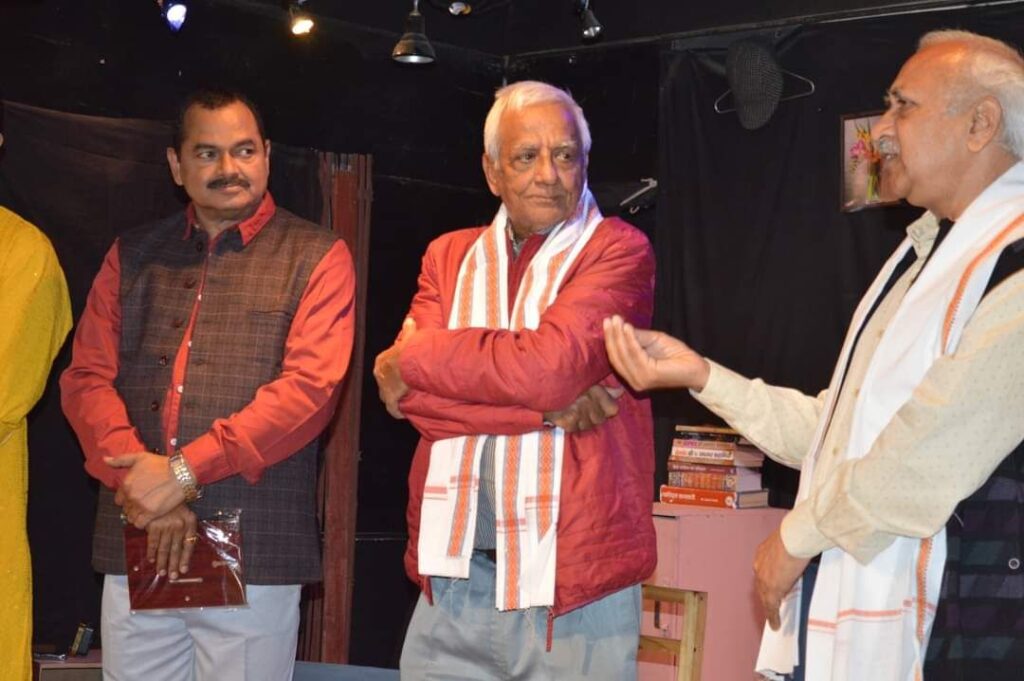
बायें से: नाटक के निर्देशक वशिष्ठ उपाध्याय, रंगकर्मी महेश वशिष्ठ, नाट्य समीक्षक अनिल गोयल
और मंच पर ही नहीं, कविता दर्शकों के बीच भी विराजमान रही, जहाँ नाटक के दौरान लगभग डेढ़ घंटे में मुझे एक बार भी कोई व्यक्ति मोबाइल पर सन्देश देखता हुआ तक भी नजर नहीं आया! इसे नाटक की प्रस्तुति के उत्कृष्ट होने के प्रमाण के रूप में भी लिया जा सकता है! और मुझे लगा, कि तीन पीढ़ियों को लेकर भी कोई परिवार वहाँ नाटक देखने आया हुआ था! यही चीजें रंगमंच के भविष्य के प्रति विश्वास जगाती हैं! मंच पर प्रो. जी.पी. पालेकर के रूप में वशिष्ठ उपाध्याय, सरला के रूप में ज्योति उपाध्याय और फणीधर के रूप में तारा सिंह ने अद्भुत कसी हुई प्रस्तुति दे कर दर्शकों को हिलने भर का भी अवसर नहीं दिया! अपनी विद्यार्थी की अनुरक्ति से दिग्भ्रमित से प्रो. पालेकर (वशिष्ठ उपाध्याय), अपने आदर्श अध्यापक के प्रति रसीला अनुराग लिये सरल सी सरला (ज्योति उपाध्याय), और सरला की इस अनुरक्ति से परेशान फणीधर (तारा सिंह), जिसे सरला के एक अन्य साथी केशव के साथ विवाह के दंश को भी झेलना पड़ता है – इन चार पात्रों की इस चतुष्कोणीय प्रेम कथा मनुष्यों के बीच के सम्बन्धों की जटिलता के प्रश्न को बहुत सुन्दर तरीके से प्रस्तुत करती है, जिसमें मंच पर केशव कभी उपस्थित नहीं होता. वशिष्ठ उपाध्याय और ज्योति उपाध्याय ने बहुत कसे हुए तरीके से अपनी भूमिकाएँ निभाई हैं. लेकिन जिस तरीके से तारा सिंह ने एक झल्लाये हुए कुंठित प्रेमी की कठिन भूमिका को निभाया है, जिसमें एक ओर उसके प्रोफेसर हैं, दूसरी ओर वह लड़की है जिसे वह मन ही मन प्रेम करता है, और तीसरी ओर एक अन्य सहपाठी है, जिसके साथ सरला विवाह कर लेती है, वह दर्शनीय था! ‘कॉमन पीपुल’ की रजत जयन्ती के अवसर पर उन्होंने महेश वशिष्ठ और हरि कश्यप को सम्मानित किया. इस सम्मानित व्यक्तियों साथ मुझ अकिंचन को भी सम्मिलित करके उन्होंने अपनी श्रेष्ठता का ही परिचय दिया!
Natsamrat Natya Utsav Lights up Delhi’s Stage with its Plays
Natsamrat Natya Utsav has started in Delhi Theater. Amidst the fast-paced life of the city, there must be some moments of happiness and to fulfill the same, the audience can come to Natsamrat Natya Utsav which is going on at LTG Auditorium, Mandi House, New Delhi.
The first play “Fauji”, written and directed by Sanjay Basliyal, was highly appreciated by the audience. The drama ‘Fauji’ is the story of an 80-year-old ex-serviceman (Diler Singh) from Uttarakhand, whose family has a legacy of serving the Indian Army. A news channel wants to cover their story and present it sensationally to increase their TRP ratings. Parallely, the news anchor who will cover the story (Kritika) and the cameraman (Kishore) were once in a relationship and have stopped working with each other since the breakup. They are now forced to work together on this story. As the play highlights the life of Diler Singh, a soldier who paid a great price to serve the country, it leaves a lasting impact on Kritika and Kishore’s relationship. Suresh Chandra played the role of editor, Sumita Sharma played the role of Pinky, Mantu had Prateek Rawat, Krutika, Roshan played the role of Kishore and Sanjay Basliyal, the writer and director of this play played the role of Diler Singh. P.K.Khayal conducted the lighting, Ashu conducted the music, Hardeep Singh and Mr. Om Sharma took charge of the backstage. All the actors played their roles beautifully and the audience also got engrossed in their phenomenal acting. It was staged on 16 March at 3:00 pm.
The second play of the evening was “Sakharam Binder” written by Vijay Tendulkar and directed by Vishwajeet Alexander. The play’s title alludes to Sakharam who is alone, devoid of familial ties, and whose profession as a book-binder enables him to stay away from the milieu of conservative society and live a quaint life on his own terms. Vishwajeet played the role of Sakharam, Ekta played the role of Lakshmi, Krutika played the role of Champa, Shammi played the role of Faujdar and Naveen played the role of Dawood. The acting of all the actors was impressive. Yash and Sachin were in music, Archana Kumari did the arrangement and Naina was in lighting operations. The play was staged on 16 March at 4:15 pm.
Two plays were staged on the second day of Natsamrat Natya Utsav. The first play was “Kuch Tum Kaho Kuch Hum Kahe” and the second play was “Kambakht Ishq”.
Kuch Tum Kaho Kuch Hum Kahein” exemplifies excellence from the pen of Ashish Kotwal and directed by Shyam Kumar, which premiered on 17th March at 3:00 PM. Dr. Anand, closing the doors of happiness, gives life Meets Mansi who wants to be adopted. Vivek Sharma and Munmun’s heart-touching banter immersed the audience in emotions. The lead actors of the drama, Vivek Sharma and Munmun, sometimes have sweet and sour banter and sometimes support each other. The performance of both of them left the audience emotional. The audience appreciated the play a lot.
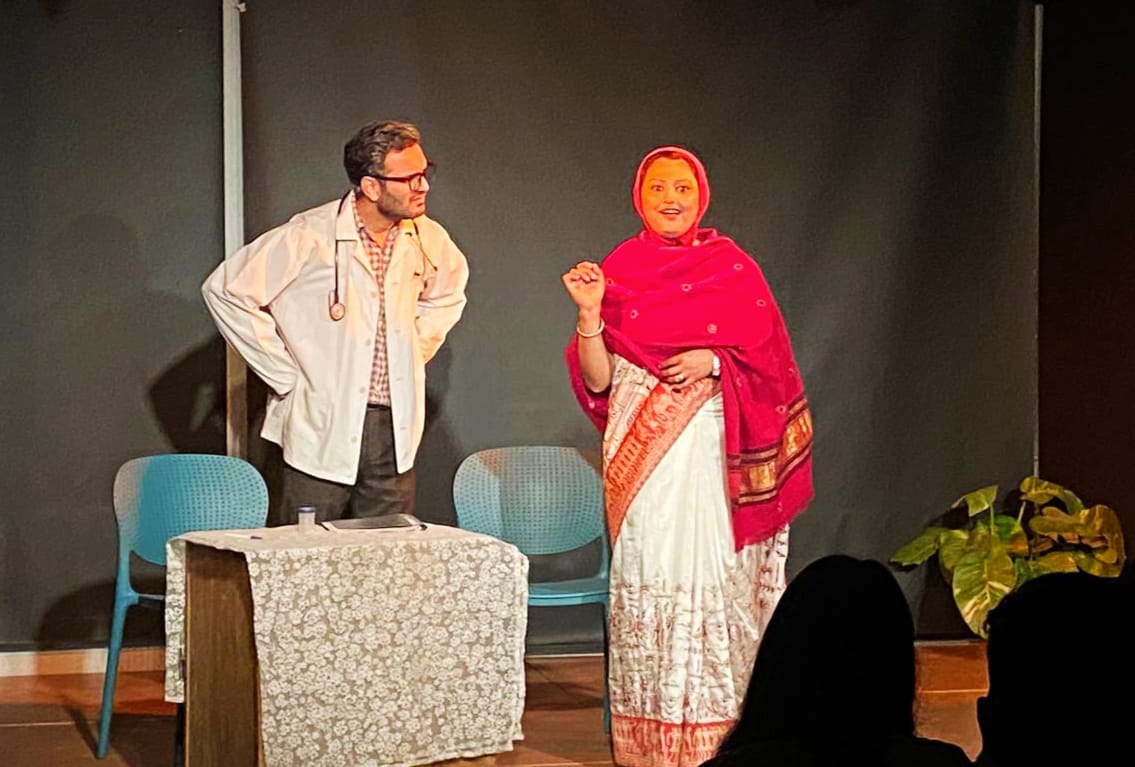
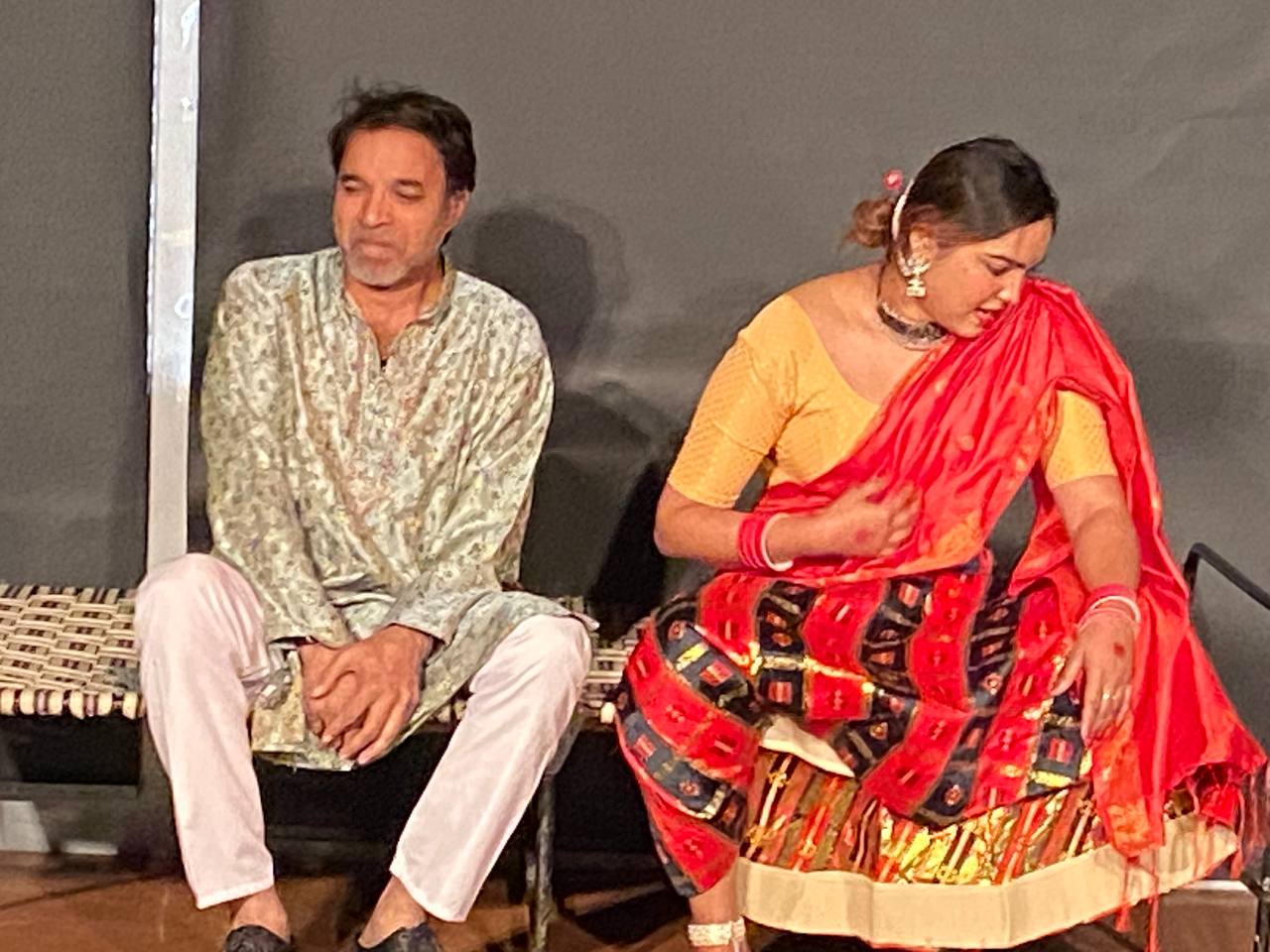
In the play “Kambakht Ishq” written by Satya Prakash, it was shown that the elderly, being victims of loneliness, create a separate world within themselves and fall ill, even though they are not ill. Two elderly people, one Kishan and the other Radha, fall ill due to their loneliness. The director of the play, Shyam Kumar, has given a very beautiful message to the society that in old age, when children become busy in their life’s work, they find it difficult to find time for their parents. Then how bad the condition of those elderly people becomes.
In the drama, Sanjay Basliyal played the role of Kishan and Munmun played the role of Radha, Vivek Sharma played the role of the son and Savita Gupta played the role of the daughter, P.K. Khayal played the role of the doctor. Aman played the role of compounder. The stage managers were Sunil Rathore and Rohit Prasad Prasad, Sooraj and Lokesh were in stage props, Rajrani was in makeup, Payal was in costume, Raman Kumar and Mahendra Kumar took charge of the backstage, Aman and Vansh Rathore were in song management. Light Designed was conceptualized by Natsamrat director Shyam Kumar. This play was staged on March 17 at 4:15 pm. This Natya Utsav is still going on. On 23rd March, two plays are being staged by “Comedy Junction” and “Chandralok.Com”, and on 30th there is a comedy play Kallu Nai MBBS. The festival is being held in LTG Auditorium, Mandi House, New Delhi.
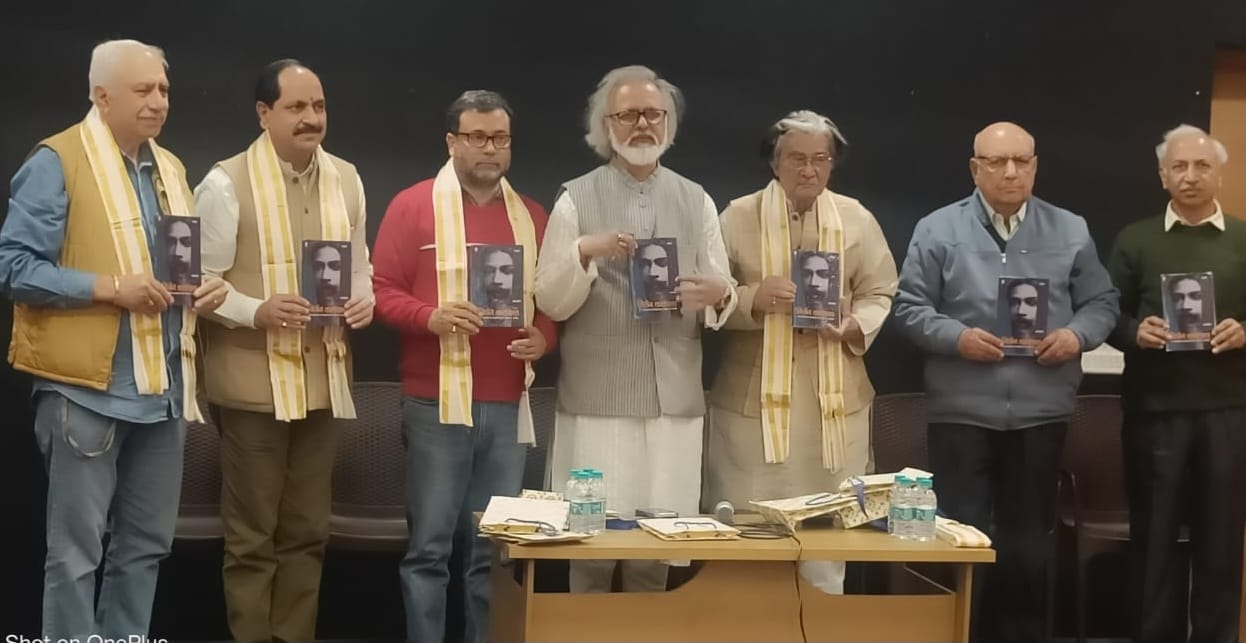
Jaywardhan’s Play ‘Nirjan Karawas’ Launched
The play Nirjan Karawas, written by Jaywardhan, was launched on 2 March 2024 at 4:00 pm in Delhi.
JP Singh alias Jaiwardhan has received ‘Honorary Degree’ from Bharatendu Natya Academy, Lucknow. He is honored with the Akademi Award for the year 2007 for playwriting by Uttar Pradesh Sangeet Natak Akademi, Lucknow. He is an expert in acting, direction and lighting concept. He has written many famous plays, including ‘Urgent Meeting’, ‘Kissa Maujpur Ka’, ‘Kaalpurush’, ‘Hai! Handsome’, ‘Mayaram Ki Maya’, ‘Jhansi Ki Rani’, ‘Madhyaantar’, ‘Mastmoula’, ‘Daroga ji Chori Ho Gayi’, ‘Jaisa Tum Kaho’, ‘Akhir Ek Din’, ‘Karmaev Dharmah’, ‘Antataha ‘, ‘Gorakhdhandha’, ‘Gandhari’, ‘Khairatilal Ka Kursi Tantra’, ‘Paro’, ‘Ek Aur Meeting’ and ‘Babu Harishchand’. 15 plays written by him have been published, along with 6 of his children’s plays have also been published. He has also made an impressive drama adaptation of Munshi Premchand’s classic novel ‘Godaan’. Many of his plays have also been telecast on Doordarshan and All India Radio.
Padmashree Sh. Daya Prakash Sinha, Senior Dainik Jagran Journalist Shri Anant Vijay, Akhil Bharatiya Co-Treasurer Subodh Sharma, Senior playwright Sh. Pratap Sehgal, Senior Drama Critic Sh. Anil Goyal, Senior Theater Artist Sh. Avtar Sahni were the chief guests at the inauguration. Jaywardhan welcomed all the chief guests. Pratap Sehgal, while praising his writing, was seen saying on some issues of the play that more pages of history could have been added to it. In response to this, Jaywardhan said that the play ‘Nirjan Karawas’ depicts the period of solitary confinement of Maharishi Aurobindo Ghosh, that is why only one incident has been discussed in detail in it, due to which the author focuses the attention of the readers on one place. All the chief guests said about his writing that just as he wrote comic plays, he also wrote on serious subjects, which touched the hearts of the readers. The special thing is that he is an actor as well as a director, so he writes the scenes of the story more beautifully. It was also said to him that despite being so busy, he is writing many plays, which are present in the library even today and the plays written by him are being played in every corner of India.
Senior Critic Sh. Diwan Singh Bajeli, Senior Writer Sh. Hari Suman Bisht, Senior Critic Sh. Sangam Pandey, Senior Drama Director Sh. Shyam Kumar, Senior Drama Director Vashishth Upadhyay, Senior Drama Director Sh. Bhupesh Joshi, Senior Drama Director Sh. Ravi Taneja etc. participated in the audience.
Natsamrat’s Theatrical Showcase: A Tapestry of Emotions Unveiled in Delhi’s Stage
Natsamrat unfolded a captivating display of theatrical brilliance, showcasing four remarkable plays. Commencing with “Kuch Tum Kaho Kuch Hum Kahen,” written by Ashish Kotwal and directed by Shyam Kumar took stage on 20th January at 6:30 pm & 7:45 pm. The narrative delves into the collision of two disparate worlds. Dr. Anand, shutting doors to happiness, encounters Mansi, aspiring to embrace life. Vivek Sharma and Munmun’s poignant exchange left the audience immersed in emotions.
Following this, “Sakharam Binder” by Vijay Tendulkar, directed by Vishwajeet Alexander, took center stage on January 21 at 3 pm & 4:15 pm.. Vishwajeet portrayed Sakharam alongside Shruti, Krutika, Nasir, and Naveen, delivering an impressive performance. The timeless narrative, dating back to 1972, resonated, with Akash handling music and lighting, Archana overseeing aesthetics, and Sangeeta managing props.
The comedic gem, “Kambakht Ishq,” written by Satya Prakash and directed by Shyam Kumar, unfolded on January 26 at 6:30 pm & 7:45 pm. Offering a humorous take on the loneliness in old age, Vishwajeet, Munmun, Sanjay Basliyal, and Savita Gupta, among others, left the audience oscillating between laughter and tears. A meticulous production, featuring Sunil Rathore and Rohit Prasad as stage managers, showcased the multifaceted talents of the Natsamrat team.
Closing the theatrical extravaganza was “Chandralok.com,” an adaptation of Harishankar Parsai’s story, directed by Rakesh Kodinya on 28th January at 3 pm & 4:15 pm. The ensemble cast, including Munmun, Vivek Sharma, Sanjay Basliyal, Sudhir Khanna, Jagbir Choudhary, and Aman, not only evoked laughter but also conveyed a profound message through their performance. With music conducted by Shivangi and lighting envisioned by Shyam Kumar, this play added a delightful conclusion to the series.
These four enthralling plays graced The Blank Canvas (LTG Auditorium), Copernicus Marg, Mandi House, New Delhi, leaving an indelible mark on the audience.
Unveiling the Untold: Felicity Theatre’s ‘Humare Ram’ Takes India by Storm
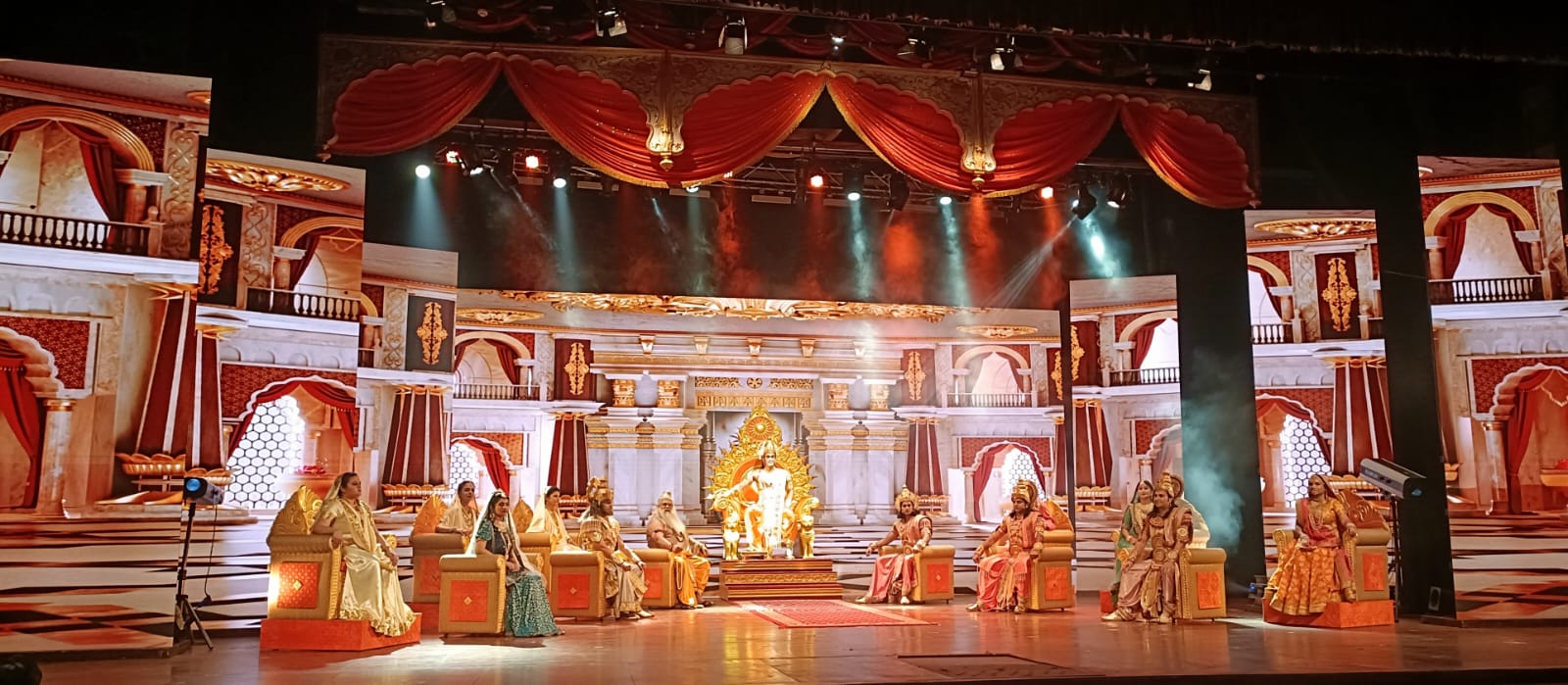
Felicity Theatre’s unprecedented presentation of the play “Humare Ram”. Today the whole of India is rejoicing over the construction of Ram temple in Ayodhya, at the same time Rahul Bhuchar brought the play ” Humare Ram” to the audience. It is written by Rahul Bhuchar and Naresh Kavayan and directed by Gaurav Bhardwaj. Very beautiful music was used in the play. The songs were written by Alok Srivastava and Ramkumar Singh and composed by Udbhav Ojha and Saurabh Mehta. Well-known Bollywood singer Shankar Mahadevan, Sonu Nigam, Kailash Kher and Ashutosh Rana gave voice to the songs.
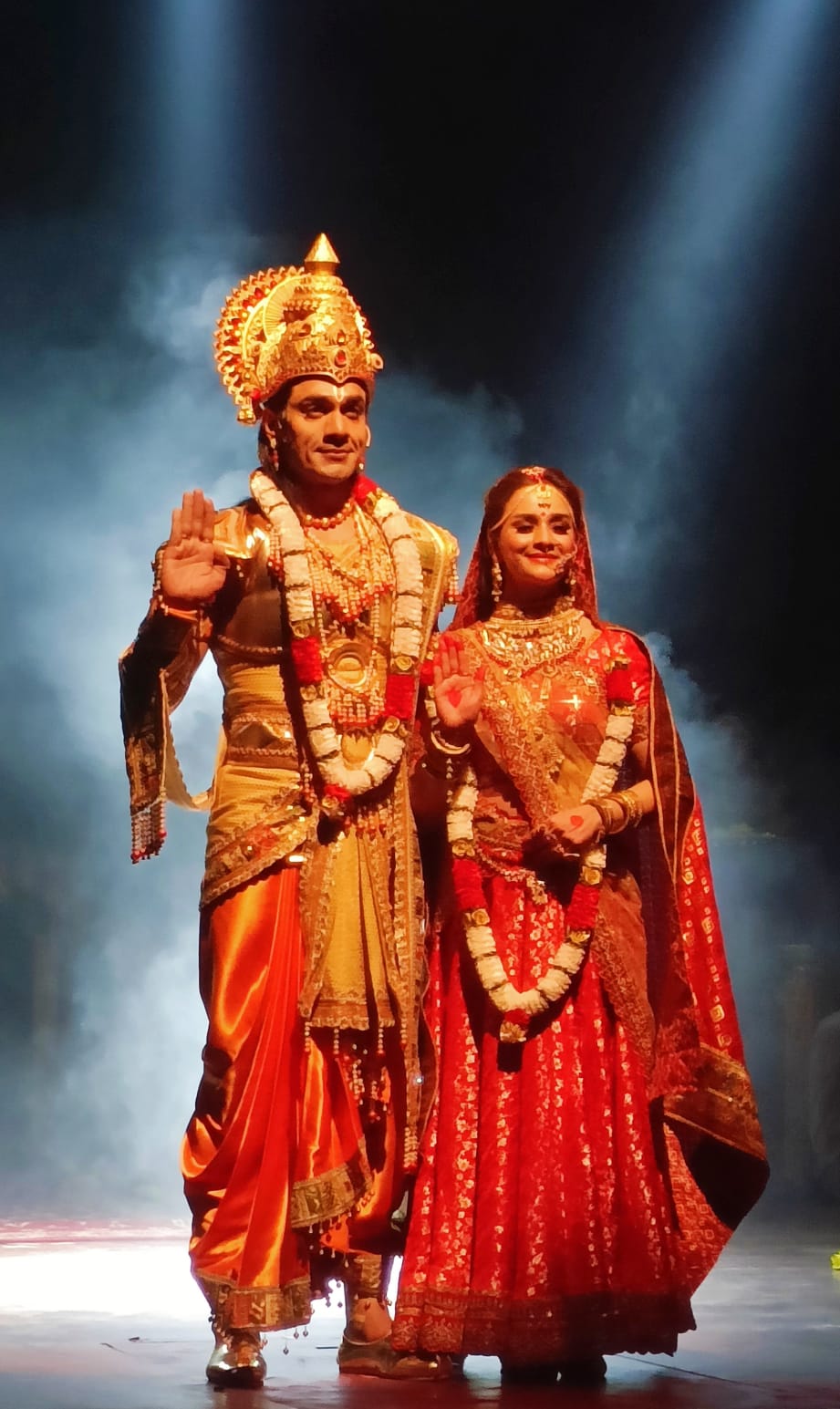
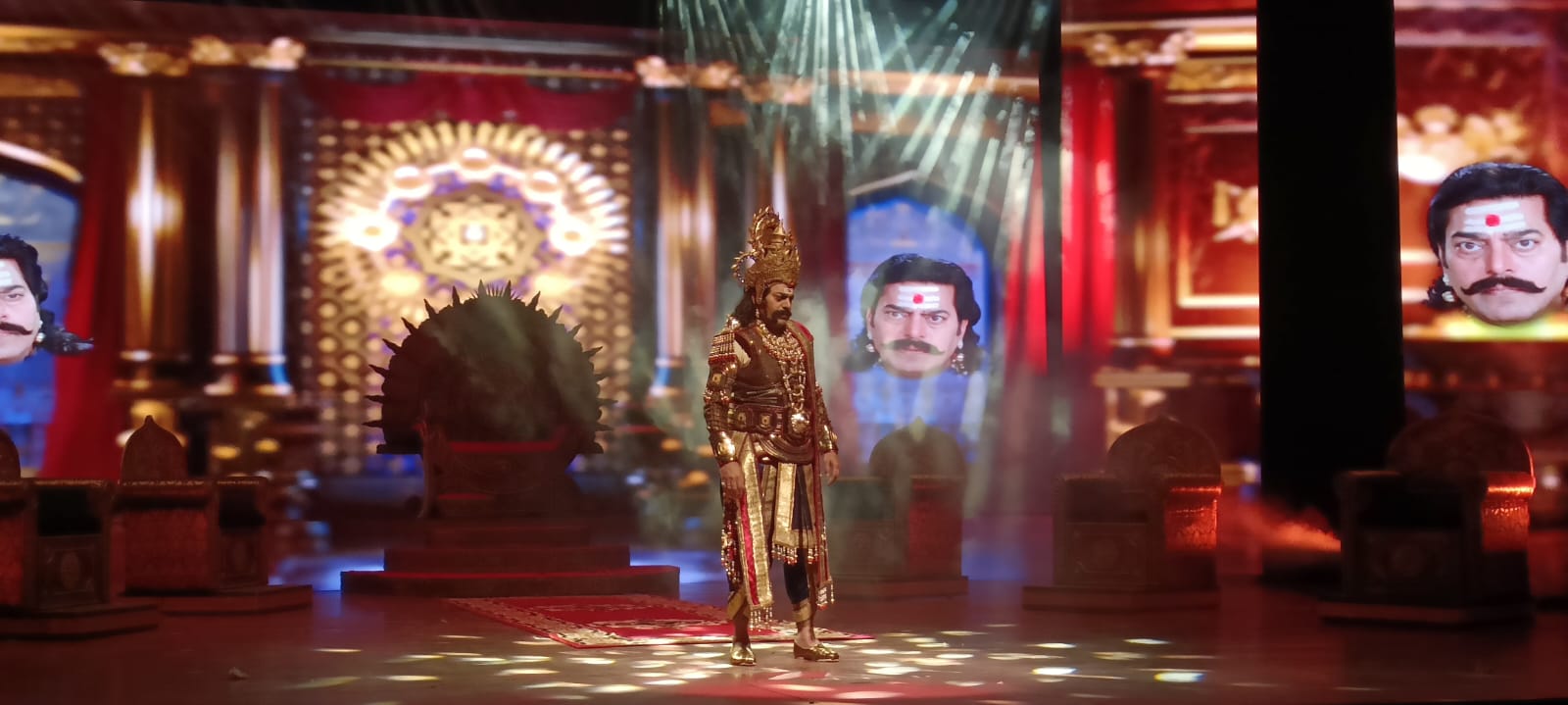
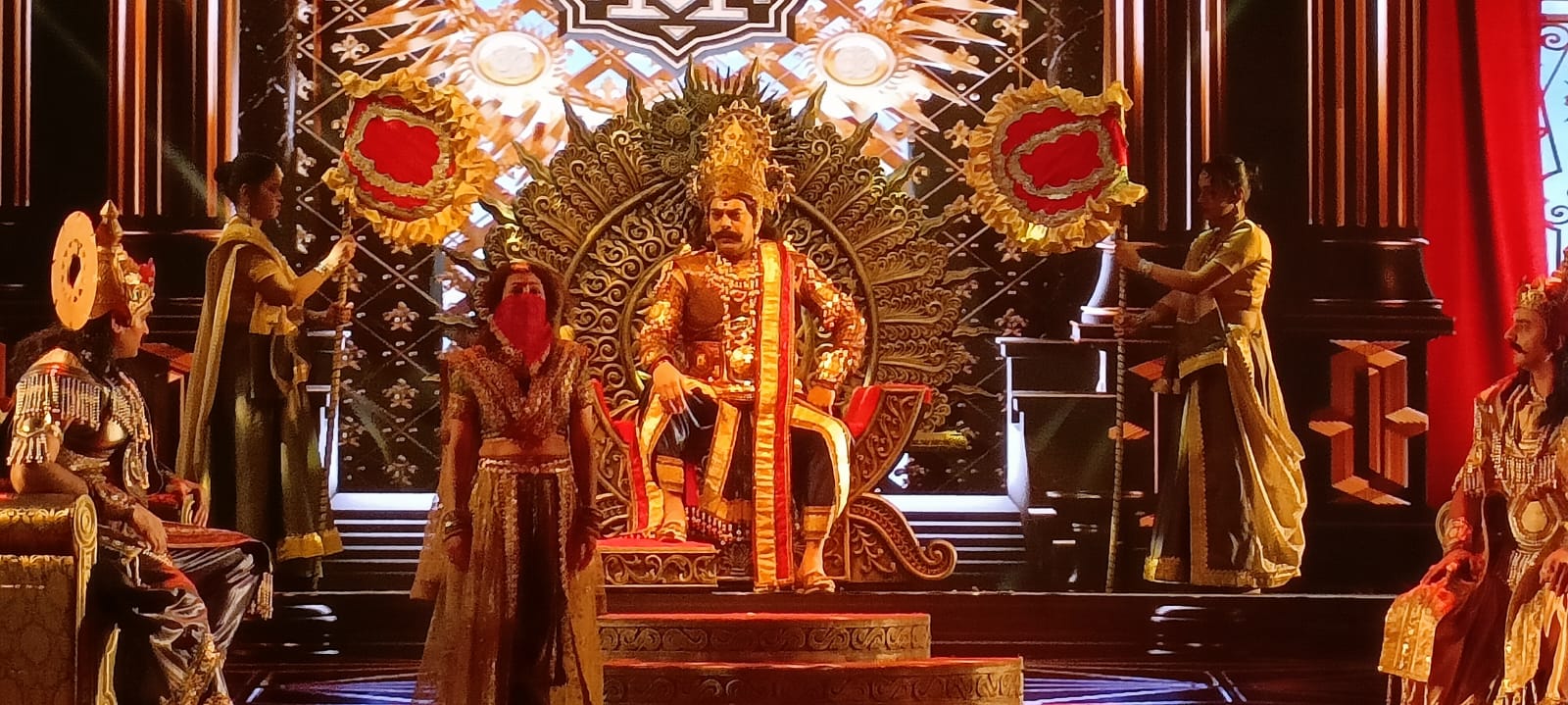
This play is an epic in a way whose words have been beautifully woven into a garland. Felicity Theater director Rahul Bhuchar played the role of Shri Ram and well-known Bollywood actor Ashutosh Rana played the role of Ravana while Harleen Kaur Rekhi played the role of Mata Sita. Danish Akhtar was seen as Lord Hanuman, Tarun Khanna as Lord Shiva and Karan Sharma as Surya Dev.
While the audience got engrossed in devotion due to Ram’s dialogue, the audience applauded a lot after seeing the style of Ravana (Ashutosh Rana). While Kailash Kher’s voice created magic in the drama, Ashutosh Rana’s voice also created magic. The audience became engrossed in devotion with the voice of Sonu Nigam.
The special thing about ” Humare Ram” is that this drama exposed many hidden incidents of Ramayana which may not be known to many people. The story started from Luv and Kush’s perspective. All the scenes were shown very beautifully and the entire Ramayana was depicted in three hours. Be it the arrival of Sun God on the stage or the entry of Hanuman on the stage. Shurpanakha got a lot of applause for her acting. The light design was amazing with LEDs. The children played the role of monkeys who are very adept dancers and made their entry with a beautiful and energetic dance. Rahul Bhuchar had laid the foundation of this play two years ago, which came true today and this play got a lot of love from the audience.
The play “Hamare Ram” was staged at Kamani Auditorium, New Delhi from 25 to 28 January.
रामानुजन
रामानुजन — अनिल गोयल
दिल्ली के रंगप्रेमी दर्शक साठ और सत्तर के दशकों से लेकर एक लम्बे समय गम्भीर नाटकों के साक्षी रहे हैं. परन्तु पिछले कुछ समय में हास्य-व्यंग्य के कुछ हल्के और कुछ बहुत सस्ते नाटक ही दिल्ली के रंगमंच परिदृश्य पर अधिकतर छाये रहे हैं. ऐसे में एक गम्भीर नाटक में, विपरीत परिस्थितियों में भी दर्शकों की उपस्थिति बहुत उत्साहवर्धक रही, और इस बात के प्रति आश्वस्त करती है कि दिल्ली में अभी भी गम्भीर नाटकों के दर्शक हैं. संगीत नाटक अकादमी पुरस्कार से सम्मानित प्रताप सहगल के नाटक ‘रामानुजन’ का हिमांशु यादव द्वारा साहित्य कला परिषद दिल्ली के युवा नाट्य समारोह में प्रदर्शन किया गया. यह इस नाटक का कहीं भी पहला प्रदर्शन था. 12 जनवरी 2024 के दिन, इस नाटक से पहले एक और नाटक एल.टी.जी. प्रेक्षागृह में चल रहा था, जो बहुत लम्बा खिंच गया, और नाटक ‘रामानुजन’ अपने निर्धारित समय से एक घंटे से भी अधिक देरी से प्रारम्भ हो पाया. लेकिन फिर भी हॉल लगभग पूरा भरा हुआ था, जिसे देख कर बहुत सन्तोष हुआ. हॉल देरी से मिलने के कारण प्रकाश परिकल्पक रमन कुमार लाइट्स भी ठीक से व्यवस्थित नहीं कर सके. लेकिन तो भी, अरविन्द सिंह के मार्गदर्शन में हुए इस नाटक के प्रथम प्रदर्शन ने ही दर्शकों को इतना आकर्षित किया कि अन्त तक भी सभी दर्शक बंधे बैठे रहे. नाटक प्रसिद्ध गणितज्ञ श्रीनिवास रामानुजन की जीवन-यात्रा की एक झलक है. इसमें पाठकों और दर्शकों को एक बहुत गरीब घर में जन्मे रामानुजन की अद्भुत, कुछ सीमा तक दैवीय प्रतिभा की जानकारी मिलती है. रामानुजन बचपन से ही गणित की अद्भुत प्रतिभा ले कर पैदा हुए थे, जिसे उन्होंने ग्यारह वर्ष की आयु में ही दिखा दिया था! हाई स्कूल में वे गणित के उच्च-स्तरीय सूत्रों, प्रश्नों और अन्य सिद्धान्तों को आसानी से सुलझाने लगे थे. इस समय तक वे अपने साथियों के लिये एक पहेली बन चुके थे, और उनके साथी उन्हें बहुत श्रद्धा की नजरों से देखने लगे थे; हालांकि गणित पर बहुत अधिक जोर देने और अन्य विषयों की उपेक्षा करने के कारण वे उच्चतर परीक्षाओं में सफल न हो पाये! फिर गरीबी के कारण वे अपना समय मद्रास पोर्ट ट्रस्ट में क्लर्क की नौकरी करके गँवाने को मजबूर हुए. उन्होंने इंग्लैंड में कैम्ब्रिज में वहाँ के गणितज्ञों के साथ पत्र-व्यवहार प्रारम्भ किया. कुछ समय पश्चात उनकी प्रतिभा को पहचानते हुए उन्हें मद्रास के बोर्ड ऑफ स्टडीज इन मैथेमेटिक्स के द्वारा लन्दन जाने के लिए स्कालरशिप दी गई. विषम आर्थिक, सामाजिक और पारिवारिक परिस्थितियों से लड़ते हुए वे जैसे-तैसे लन्दन पहुँचे और अंग्रेज गणितज्ञ जी.एच. हार्डी के संरक्षण में गणित पर अपना शोध करते रहे. लेकिन स्वास्थ्य के बिगड़ने पर उन्हें भारतवर्ष लौटना पड़ा, जहाँ वे बहुत लम्बे समय तक जीवित नहीं रह सके. नाटक में उस समय की विषम सामाजिक परिस्थितियों, और उनके चलते रामानुजन के संघर्ष को युवा निर्देशक हिमांशु यादव ने बहुत सफलता के साथ दर्शाया है. साथ ही, असाधारण प्रतिभा वाले लोगों के, जो साधारण डिग्रियाँ में कई बार असफल रहते हैं, संघर्ष को भी उकेरा गया है. मद्रास के बोर्ड ऑफ स्टडीज में रामानुजन को स्कालरशिप दिये जाने के प्रश्न पर हुए विचार-विमर्श से यह स्पष्ट नजर आता है. इस दृश्य में निर्देशक ने उस समय की परिस्थितियों के तनाव को दिखाने में सफलता पाई है. परन्तु रामानुजन का संघर्ष यहीं नहीं समाप्त होता, उसे अपने परिवार के उस समय के गुलाम भारत के रूढ़िवादी विचारों से भी जूझना पड़ता है, हालांकि यह शोध का विषय हो सकता है कि रामानुजन की बूढ़ी दादी सबसे पहले उसे विदेश जाने के लिये अनुमति कैसे दे देती है! इन सब संघर्षों के बीच से निकल कर लन्दन जाने, वहाँ के अत्यन्त ठण्डे मौसम के साथ संघर्ष करने, और उस समय पर चल रहे प्रथम विश्वयुद्ध की विपरीत परिस्थितियों में भी, जहाँ उसे शाकाहारी होने के कारण खाने के लिये आलू के अतिरिक्त कुछ और नहीं मिलता, यह सब परिदृश्य रामानुजन के अनेक-स्तरीय संघर्ष को बहुत सुन्दरता के साथ उभारता है! इसी के साथ-साथ लन्दन के अनेक गणितज्ञ उसके काम को समझ न पा कर नकार भी देते हैं. यही चीज ‘स्ट्रक्चर्ड’ और ‘नॉन-स्ट्रक्चर्ड’ अध्ययन के बीच के अन्तर को भी दिखाती है, और भारतवर्ष की पराधीनता की बेड़ियों को भी दिखाती है! ऐसे में प्रोफेसर हार्डी उसके काम को पहचान कर उसका साथ देते हैं, जिससे रामानुजन की समस्याएँ कुछ सीमा तक कम हो पाती हैं! रामानुजन के रूप में विपिन कुमार ने एक दक्षिण भारतीय व्यक्ति के चरित्र को बहुत अच्छे से जिया है. इसमें उन्हें अन्य सभी कलाकारों का भरपूर सहयोग मिला, जिससे यह नाटक अपनी तमाम समस्याओं और कमियों के उपरान्त भी एक दर्शनीय कृति बन गई. रामानुजन की पत्नी जानकी के रूप में पूजा ध्यानी नाटक का एक प्रमुख आकर्षण रहीं, जिन्होंने हर समस्या में रामानुजन को पग-पग पर सम्भाला! रामानुजन के साथ लन्दन जाने से पहले के समुद्र-किनारे के भावपूर्ण दृश्य की बात हो, रामानुजन से उसके पत्रों का उत्तर न मिलने की बात हो, या फिर रामानुजन की मृत्यु के अन्तिम दृश्य की बात की जाये, पूजा ने हर स्थान पर अपने सशक्त और भावपूर्ण अभिनय से नाटक को गति प्रदान करके दर्शकों को अपनी सीटों पर बैठे रहने को मजबूर किया! अम्मा (प्रज्ञा बैस) और प्रो. हार्डी (अतुल ढींगरा) से लेकर छोटे रामानुजन (भाग्येश कौशिक) तक सभी कलाकारों ने अच्छे से अपने चरित्र निभाये! भारतवर्ष का हजारों वर्ष पुराना इतिहास, और सांस्कृतिक विविधताओं वाला एक विशाल देश होने के कारण यहाँ इस प्रकार के व्यक्तित्वों पर नाटक लिखने की अपार सम्भावनाएँ हैं, परन्तु उन पर काम नहीं किया गया है. प्रताप सहगल का जीवनचरित्र दिखाने वाला यह नाटक नाटक नये उभरते नाटककारों को इस ओर काम करने के लिये प्रेरणा देगा. नाटक केवल एक व्यक्ति के जीवन की कथा को ही नहीं दिखाते, अपितु वे अपने समय की राजनीतिक, सामाजिक और सांस्कृतिक परिस्थितियों से भी दर्शकों को परिचित करवाते हैं! समाज में बड़े स्तर पर उथल-पुथल मचा देने वाला एक नाटक बांग्ला नाटकार दीनबन्धु मित्र का 1860 में प्रकाशित नाटक ‘नीलदर्पण’ रहा, जिसने न केवल भारत के स्वतन्त्रता-संग्राम को एक नई दिशा प्रदान की थी, बल्कि यूरोप के अनेक क्षेत्रों के किसानों की दशा के बारे में भी चिन्तन को प्रारम्भ किया था. मुकेश झा के संगीत सयोजन ने नाटक को आगे बढ़ाने में सहयोग दिया. नाटक में दृश्य-संयोजन में कुछ अनुशासन रख कर निर्देशक दर्शकों के प्रति न्याय कर सकेंगे, पूरे मंच पर पूरे समय गणित के फॉर्मूले दिखा कर निर्देशक ने दर्शकों का ध्यान भंग ही किया है. साथ ही, समुद्र-किनारे के रामानुजन और जानकी के बीच के भावपूर्ण दृश्य में भी रामानुजन के हाथों में स्लेट थमा कर निर्देशक रामानुजन के चरित्र के प्रति न्याय नहीं कर पाये हैं. इन एक-दो छोटी-मोटी चीजों के होते हुए भी, अरविन्द सिंह के मार्गदर्शन में एक सुन्दर नाटक की प्रस्तुति देख कर दर्शकों को एक अच्छा नाटक देखने का सुख मिला, इसके लिये अरविन्द बधाई के पात्र हैं!
Review of Merry Christmas(movie) in the light of Western Classical Music
I am a big fan of filmmaker Sriram Raghavan and after Andha Dhun the expectations were high. His recent film Merry Christmas did not fail to amuse me. It was a rapturous experience to see his film in theatre. Witty dialogs, on screen flirting, old world charm of Bombay (not Mumbai as he wrote in title roll) and a Hitchcockian drama in a Victorian set up is all I needed for a thorough entertainment. However, there is more to it if you see details and feel the film. The screenplay is doubtlessly taut with twists and turns every 15 minutes; there is God in details. The visuals of Victorian Gothic and Art Deco buildings of Mumbai added a splendour. Particularly for people who like Mumbai, this movie is a treat because Bombay seeps into it as a character. With an overtone of Christmas, the choice of cityscape cannot be better than Bombay in whole of India.
I never knew Katrina Kaif has so much left in her in terms of acting and histrionics. In Bollywood and regional films of India an actress is outdated after few years being in her peak. She is generally shown and seen as a Diva and an item number. Most of the actresses are out of business before they hit mid-life. So, in that kind of background Katrina has made a comeback and what a comeback it is!! Her charm added to her free willy nature of the character and surprisingly her histrionics later on exhibited the violence and cruelty in that character. Vijay Setupathy made “Non-Acting” his acting style. His witty one liners, awkward dance and subtle expressions made my day. His method acting made it a superb watching experience. And I must mention Sanjay Kapoor, who, in a brief role, was hilarious.
The movie is a dark comedy, a Noir film where two lonely souls with chequered past and shades of grey cross paths on a Christmas night and gets locked forever. You may love or hate the ending but last 15 minutes was extraordinary. And now comes the role of Western Classical Music in creating and maintaining the mood of this film.
I have observed earlier in Andhadhun how beautifully Sriram Raghavan used Beethoven’s Symphony no.5 to show the jarring visuals and rapturous moments. Similarly, the background music in “Merry Christmas” was heavily influenced by Western Classical Music. For example, during the gunshot the crescendo of Grieg’s Peer Gynt Suite no 1,“In the hall of the Mountain King” superbly helped to muffle the crime. If you hear this classical music piece you will relate how the slow tempo initially is growing to a thundering crescendo eventually within few minutes. For your reference I am pasting the Youtube link below. If you see the film you can relate to what I mean.
Similarly, to add class, Maria was playing Habanera from Carmen by Bizet. Listen to the video. Ronnie was constantly saying “Oh she is a classy woman.” In India, due to a colonial hangover, anything Western means sophistication and it implies that to enjoy western classical music, Opera particularly one needs good education and sophistication, which is treasured by many. So the Habanera from Carmen is a great choice to exemplify class.
And in the end Vivaldi’s Winter played for almost 10 minutes to the perfection. Starting with the Pizzicato which exemplified the sprinkling of doubt in the police officer’s mind, it moves on to a rise in tempo and tone, where swiftly the hidden things expose fast climaxed with the exchange of ring between two souls with tormented past. There is anxiety, hope, romance, despair, magic realism and baffle in that last 5 minutes superbly portrayed by Vivaldi’s Winter. Nowhere in Bollywood I expected Vivaldi’s Winter to personify the swift changes of human behaviour amidst the movie characters. Sriram Raghavan deserves a special mention for this intelligent use of western classical music to evoke and maintain feelings in a film.
Earlier I have observed use of Western Classical Music pieces in a Satyajit Ray movie or Shyam Benegal movie. For example, Gluck’s Melodie from Orpheus and Euridicce was used in “Jana Aranya” by Ray and he also borrowed Mozart’s Symphony no 25 in Feluda theme in “Joy baba Felunath” or Mozart Symphony “Jupiter” and Requiem mass in songs of “Hirak Rajar Desh e”. Kamaleswar Mukherjee used Beethoven Symphony 5 first movement in his “Meghe dhaka tara”. Shyam Benegal films like Kalyug, Trikal or Mammo used music of Beethoven and Mozart. However, in Bollywood use of Western classical music motifs are few and far. In a refreshing take, Sriram Raghavan has used Vivaldi, Grieg and Bizet in “Merry Christmas” to reflect and set the mood.
Overall, the movie “Merry Christmas” brings a point that “Content is King” in an industry flooded with Jawaans, Pathaans and Animal. Merry Christmas is a thoroughly entertaining movie where you have to sit on the edge not to miss the details. Particularly the edgy ending was something a movie goer will remember for a long, long time. In fact, Merry Christmas opens a new year of pure filmmaking and story telling in Bollywood
_______Biswa Prasun Chatterji.
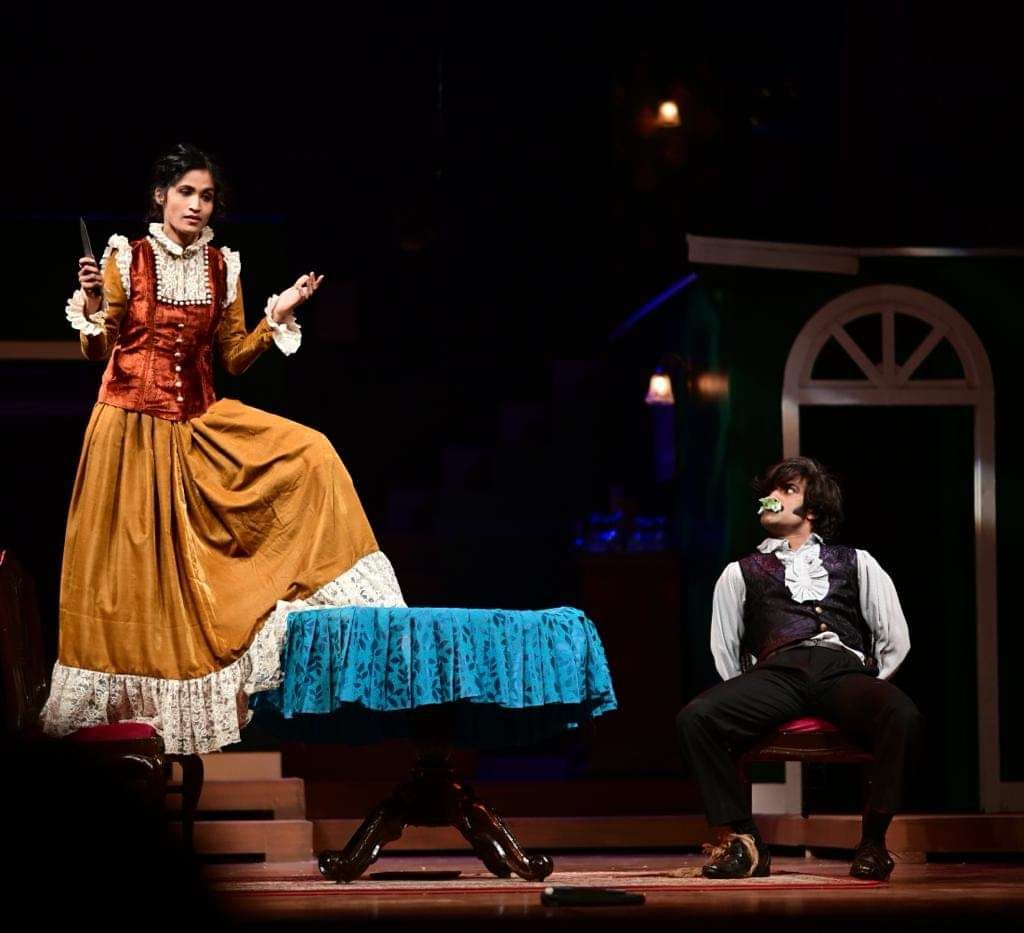
लन्दन की गैसलाइट दिल्ली में
समीक्षा: अनिल गोयल
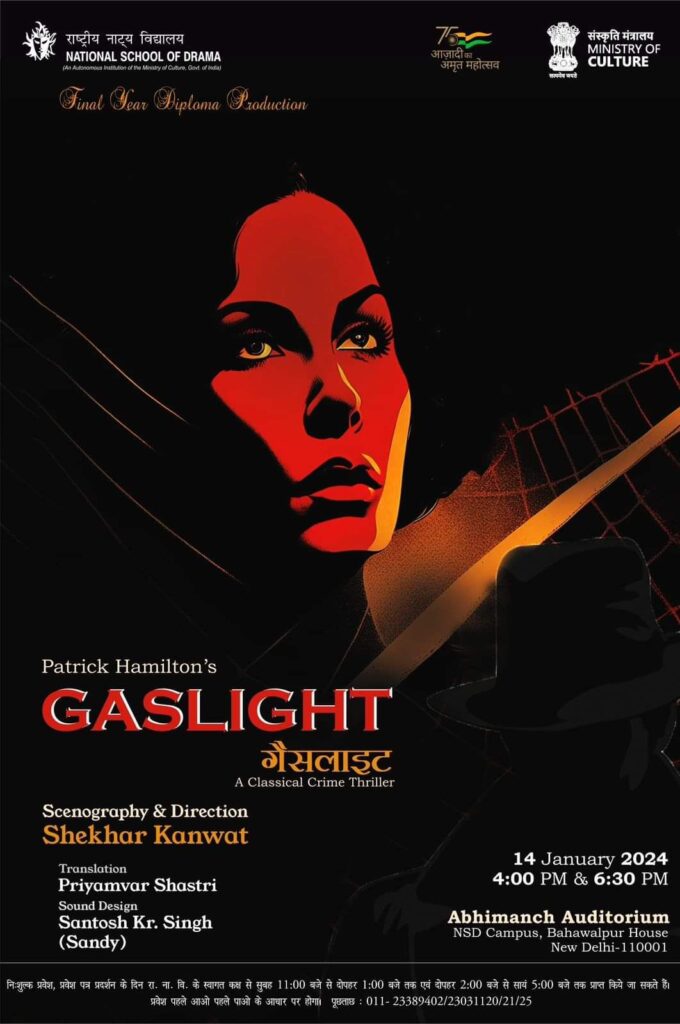
लन्दन की गैसलाइट दिल्ली में 1965 के आसपास एक फिल्म आई थी, ‘इन्तकाम’. रहस्य और रोमांच से भरपूर एक क्राइम थ्रिलर. साठ और सत्तर के दशकों में ऐसी अनेक फिल्में आईं… सुनील दत्त और लीला नायडू की ‘ये रास्ते हैं प्यार के’, विनोद खन्ना की ‘इम्तिहान’ इत्यादि. फिर फिल्मों का यह जॉनर या श्रेणी समाप्त हो गई. बाद में टेलीविजन पर ‘करमचन्द’ के नाम से जासूसी सीरियल आया, परन्तु उसमें भरा मसखरापन उसकी गम्भीरता को प्रभावित करता था. उसके कुछ समय बाद एक लोकप्रिय धारावाहिक ‘ब्योमकेश बख्शी’ आया, जो एक बंगाली कहानी पर आधारित था. दिल्ली के अंग्रेजी रंगमंच पर तो ऐसे क्राइम थ्रिलर लगातार खेले जाते रहे हैं, परन्तु हमारे हिन्दी रंगमंच पर ‘क्राइम थ्रिलर’ की विधा को बहुत कम प्रयोग किया गया है. राष्ट्रीय नाट्य विद्यालय (रानावि) के तीसरे वर्ष के विद्यार्थी शेखर काँवट ने अपनी पढ़ाई पूरी होने के बाद, ब्रिटिश उपन्यासकार और नाटककार पैट्रिक हैमिल्टन के क्राइम थ्रिलर नाटक ‘गैसलाइट’ को अपनी डिप्लोमा प्रोडक्शन के लिए मंचित किया. इसका हिन्दी में अनुवाद प्रियम्वर शास्त्री ने किया है. बहुत वर्षों से रानावि में डिप्लोमा प्रोडक्शन के लिए प्रयोगात्मक या एक्सपेरिमेंटल थिएटर, अथवा सीन-वर्क ही प्रस्तुत किया जाता रहा है, या फिर ‘डिवाईज्ड’ प्ले… पूरा नाटक करने की क्षमता वहाँ के विद्यार्थी बहुत कम प्रदर्शित कर सके. सीन-वर्क विद्यार्थियों के प्रशिक्षण का एक हिस्सा हो सकता है, किसी विद्यार्थी की नाटक को दर्शकों के सामने प्रस्तुत करने की क्षमता को वह नहीं दरशा सकता. तीन वर्ष की स्नातकोत्तर पढ़ाई करने के बाद प्रयोगात्मक या एक्सपैरिमैंटल नाटक, ‘डिवाईज्ड’ प्ले या सीन वर्क को डिप्लोमा प्रोडक्शन के रूप में सामान्य जन-दर्शकों के सामने प्रस्तुत करना उस विद्यार्थी की क्षमता को सार्वजानिक रूप से प्रदर्शित करने से रोकना ही कहा जा सकता है! साथ ही, दर्शकों ने भी ऐसे ‘नाटकों’ से अपने को धोखा खाया हुआ ही अनुभव किया है, जिससे दर्शक रंगमंच से दूर ही हुए हैं.
ऐसे में शेखर काँवट के द्वारा अपने में एक सम्पूर्ण नाटक का प्रस्तुत किया जाना चाहे एक नई परम्परा का निर्माण कर रहा है, या फिर एक पुरानी, भुला दी गई परम्परा को फिर से जीवित कर रहा है, लेकिन वह दर्शकों के लिए एक सुखद अनुभव अवश्य रहा. और नाटक तो दर्शकों के ही लिए होता है. डिजाईन, एक्सपैरिमैंट, ‘डिवाईज्ड’ प्ले या सीन वर्क सामान्य दर्शक के लिए नहीं होते. और शेखर ने इस नाटक को प्रस्तुत करते समय दर्शकों के प्रति अपनी जिम्मेवारी को पूरी सफलता के साथ निभाया है. नाटक की कहानी लन्दन की एक धुंध भरी सन्ध्या में एक समृद्ध व्यक्ति जैक के घर की है, जिसमें जैक अपनी पत्नी को पागल सिद्ध करना चाहता है. उस घर में पहले भी एक हत्या हो चुकी है. अब से लगभग डेढ़ सौ वर्ष पूर्व उस समय पर, लन्दन में सन्ध्याकाल में घर की बत्तियाँ या लाइट्स गैस से जलती थीं, और वही सांयकाल की चाय का भी समय होता था… उसी से पैट्रिक ने अपने नाटक का नाम ‘गैसलाइट’ रखा. नाटक में लाइट्स शेखर ने स्वयं डिजाईन की थीं, जिनका ऑपरेशन शेखर की सहपाठी पस्की ने किया. लाइट्स, कॉस्टयूम, सैट्स, दृश्य-परिकल्पना, पोस्टर और निर्देशन, सभी कुछ शेखर काँवट का था. नाटक में एक अच्छी चीज रही धुएँ का कम से कम प्रयोग – धुंध भरी सन्ध्या का दृश्य होने पर भी, शेखर ने धुंध दिखाने के लिये केवल प्रारम्भ के कुछ क्षणों में ही धुएँ का प्रयोग किया था, उसके बाद फिर नहीं किया. अकारण मंच पर धुएँ का प्रयोग न केवल दृश्य को अनचाही छद्मता प्रदान करता है, बल्कि हमारे रंगकर्मियों के स्वास्थ्य को कितनी हानि पहुँचा रहा है, यह उन्हें समझना होगा! एक अचम्भित कर देने वाला परिवर्तन विद्यार्थियों के इस वर्ष की पहली डिप्लोमा प्रस्तुति में नजर आया, और वह था प्रस्तुति में बाहर के विशेषज्ञों के ‘मार्गदर्शन’ का प्रयोग न करना. डिप्लोमा किसी विद्यार्थी की उसके परिक्षण-काल की अन्तिम परीक्षा होती है… ‘पासिंग आउट ऑफ ए ग्रेजुएट’. और परीक्षा में तो यही देखना होता है कि विद्यार्थी ने अपने तीन वर्षों में यहाँ क्या सीखा. उसमें यदि वह सभी बाहर के विशेषज्ञों के सहयोग या ‘मार्गदर्शन’ के द्वारा ही अपना काम दिखा रहा है, तो फिर कैसे यह समझा जायेगा, कि उसने स्वयं ने तीन वर्षों के प्रशिक्षण में क्या सीखा? इस बार विद्यालय की ओर से विद्यार्थियों को कहा गया कि अपने डिप्लोमा के लिये वे नाटक को स्वयं ही तैयार करेंगे; उन्हें जो भी सहायता रानावि से चाहिए, वह उन्हें मिलेगी, लेकिन डिप्लोमा के नाटक को उन्हें स्वयं अपने से ही तैयार करना होगा. बाहर की तकनीकी सहायता यदि कहीं आवश्यक है, तो वह मिल सकेगी, लेकिन बाहरी मार्गदर्शन इत्यादि नहीं होंगे! पता चला है कि अभ्यास के समय पर विद्यालय के अध्यापक रिहर्सल में आकर बैठते थे, उसका निरीक्षण करते थे. इसी के चलते, इस नाटक में केवल ध्वनि प्रवाह या साउंड डिजाईन के तकनीकी काम को सन्तोष कुमार सिंह ‘सैंडी’ ने किया (जिन्हें पश्चिमी संगीत पर अच्छी पकड़ है), बाकी सभी काम इन विद्यार्थियों ने स्वयं किये! और उसके सुखद परिणाम निकले… दर्शक, जो किसी भी नाटक की सफलता के सर्वोच्च निर्णायक होते हैं, इस नाटक से बहुत प्रसन्न नजर आये… जिनके लिये, शेखर कहता है कि उसने यह नाटक तैयार किया था! नाटक में दर्शक के प्रति शेखर की निष्ठा स्पष्ट नजर आती थी, “इंटेलेक्चुअलिटी से दूर रह कर मैंने यह नाटक तैयार किया था; मैं ऐसा नाटक नहीं बनाना चाहता था जो दर्शकों की समझ में ही ना आये”! इसीलिये मैंने नाटक के बाद किसी दर्शक को शेखर को रंगमंच का तारेंतिनो कहते हुए सुना! इस परिवर्तन के लिए राष्ट्रीय नाट्य विद्यालय के नये निदेशक चित्तरंजन त्रिपाठी विशेष रूप से अभिनन्दन के पात्र हैं. वे स्वयं यहीं से पढ़े हुए हैं, और बहुत सारी चीजों की आवश्यकता और अनावश्यकता को गहरे से समझते हैं. इस प्रकार का परिवर्तन लाने के लिये अकादमिक परिषद को तैयार करना अवश्य ही कठिन रहा होगा. आशा है कि भविष्य में विद्यालय में और भी अनेक अपेक्षित परिवर्तनों को वे ला सकेंगे. इस प्रकार के परिवर्तन से शेखर को स्वयं भी प्रस्तुति के समय पर बहुत मन्थन करना पड़ा, लेकिन परिणाम सुखद ही रहे! नाटक के मंच की परिकल्पना दो-मंजिला बॉक्ससैट के रूप में की गई थी, जिस का प्रयोग बहुत कठिन होता है. रॉबिन दास, राजेश बहल जैसे गिने-चुने सैट-डिजाइनर्स ही इस प्रकार के प्रयोग कुशलतापूर्वक करते रहे हैं. परन्तु शेखर ने बहुत कुशलता से इस तकनीक का प्रयोग करके इस नाटक को लुभावना बना दिया. शेखर का लाइट्स का प्रयोग भी सुन्दर था, जिसमें दर्शकों की आँखों पर बहुत कम प्रकाश आ रहा था. एक अच्छी बात यह रही, कि शेखर ने इस नाटक को हिन्दी में प्रस्तुत करके भी इस अंग्रेजी नाटक को “रूपान्तरित” करने का प्रयास न करके नाटक को उसके मूल स्वरुप में प्रस्तुत करने का जोखिम उठाया, जिसकी स्वीकार्यता कठिन होने का खतरा था. लेकिन दर्शकों ने नाटक को बहुत सराहा! नाटक की सबसे सुन्दर चीज थी इसके अभिनेताओं का अभिनय! जैक की युवा पत्नी बेल्ला के रूप में प्रियदर्शिनी पूजा ने सबसे अधिक प्रभावित किया. अपनी पत्नी को पागल बना देने का षड्यन्त्र रचने वाले एक धनी और क्रूर व्यक्ति जैक के रूप में मनोज यादव का अभिनय भी किसी से कम नहीं था… उसके लम्बे बालों ने सचमुच जैक के चरित्र को ठीक से उभारने में मदद की. पुलिस अधिकारी रफ के रूप में अमोघ शाक्य ने सभी दर्शकों को प्रभावित किया. घर की सहायिकाओं के रूप में आईशा चौहान और अंजली नेगी ने भी छोटी भूमिकाएँ होने के उपरान्त भी अपनी उपस्थिति सशक्त रूप से स्थापित की, विशेषकर ऑपेरा-गायन के द्वारा, या फिर घर के मालिक के साथ के अपने प्रेम-प्रसंग को लेकर. पुलिस के सिपाही के रूप में सौरभ पांडे और सुनील थे. अपने सैट्स और प्रकाश-परिकल्पना, तथा कलाकारों से ऑपेरा के गायन का प्रयोग करवा कर शेखर ने नाटक में ब्रॉडवे का वातावरण निर्मित कर दिया था! रानावि से निकलने के बाद शेखर की आगे की राह क्या रहेगी, यह तो कैसे जाना जा सकता है! लेकिन इस नाटक के रूप में प्रदर्शित उसकी अपने काम में कुशलता उसके अपने और उसके सभी साथियों के उज्जवल भविष्य की परिचायक तो है ही!
Star Fades, Brilliance Shines On
The departure of Ustad Rashid Khan leaves a void in the realm of Indian classical music, casting a shadow of sorrow and emptiness that will endure for a considerable time. Rashid Khan, synonymous with the ethereal world of ‘Anya Ek Bhuban,’ crafted by his resonant and masculine voice, embarked on an enchanting musical journey, seamlessly navigating from one note to another—a phenomenon known in the musical lexicon.
The mere mention of Rashid Khan conjures up a nostalgic image. Thirty-two years ago, on a chilly January evening, I left Tollyganj’s studio and found solace on a roadside tea shop bench, accompanied by cinematographer Kamal Nayak and film director Arun Guhathakurta. At the other end of the bench, a young man joined us. Kamal Nayak inquired, ‘Have you heard of Rashid Khan?’ Back then, he wasn’t yet ‘Ustad Rashid Khan,’ but his fame was burgeoning. Though I had encountered his name in Desh magazine’s music reviews, I did not get an opportunity to experience his highly lauded singing. We struck up a conversation, and over a cup of tea, we acquainted ourselves. Politeness adorned his demeanour, and after a brief encounter, we each resumed our places. Later, I discovered that he studied music at the Music Research Academy, residing with the renowned Ustad Nisar Hussain Khan across the street.
Months after our meeting, Rashid Khan’s vocal performance in an audio cassette, featuring Raag Bageshri and Desh, hit the shelves. In response to our encounter, I purchased the cassette—a delightful experience. His voice, youthful, humble, and enchanting, resonated with a subtle echo of Pandit Bhimsen Joshi’s energy, Ustad Aamir Khan’s solemnity, and Ustad Nisar Khan’s Tarana’s rapid pace. Yet, amidst these influences, Rashid Khan’s voice possessed a distinct identity, brimming with new energy.
In a concise span, Rashid Khan left an indelible mark on the music industry—successive gramophone records, and live concerts domestically and internationally—thrusting him into the limelight among his generation’s talented musicians. Pandit Bhimsen Joshi heralded him as the future of Indian classical music. His desire to break free from the traditional ‘Gharana’ constraints set him on a journey to explore the expansive world of music, incorporating Sufi influences. He ventured into creating new melodies, even lending his voice to classical songs in films, such as ‘Kahe Ujari Mori Nind’ and ‘Tore Bina Mohe Chen Nahi.’
Rashid Khan’s enthusiasm extended beyond film songs; he collaborated with popular Bengali singer Nachiketa to experimentally sing Rabindra Sangeet. Their rendition, based on Raags, with interludes featuring Ustad’s ‘bandis,’ showcased a unique approach, distinct from previous interpretations by Pandit Ajay Chakraborty and Swagatalakshmi Dasgupta. Among his notable achievements was his Krishna Bhajan for Times Music. He often performed in duets with Pandit Bhimsen Joshi, including Bhajans. These bhajans not only reflected the influence of Joshi but also showcased the positive effects of that association.
Recognized by the government with the Padma Shri and Padma Bhushan awards, Rashid Khan achieved success, and honours, and, tragically, departed at a relatively young age—a reality difficult to accept.
Having witnessed several live performances, I regret not having had the chance to meet him except once at the Kolkata airport. A brief interaction revealed his affability, especially upon noticing ‘Aakashbani’ on my visiting card. Classical musicians, it seemed, felt a closer connection when reminded of Aakashbani.
Rashid Khan, initially disinterested in music as a child, imparted his musical knowledge to his son Armaan from a young age. Armaan, emerging as a talented singer and accomplished guitarist, undoubtedly carries the influence of his father.
As the stars extinguish, their brilliance magnifies in the darkness.