ASHA BHOSLE AT NINETY

Evergreen Asha Bhosle when she was younger

First Published in THE AIDEM (theaidem.com)

Asha Bhosle, the most charismatic female exponent of the Hindi film song (from the late 1940s to the early 1980s) when it became an independent art form, turned Ninety on 8th September, 2023. She has sung thousands of songs in good, bad an indifferent films, principally in Hindi, where her singing has been the leading attraction. This is indeed high compliment as she has always been compared to her elder sister Lata Mangeshkar, who, in her prime years between the late 1940s to, the early 1980s, was the most tuneful or ‘Sureela’ of all woman singers in Hindi films, or films from any other part of India. Asha, however won out because of her versatility and the ability to conjure up a wide range of feelings and experiences that belonged to this flesh and blood world.

Her singing at first was not so different from that of her elder sister, a style she adopted or was made to adopt by certain music directors in order to sound like her thin-voiced but extremely mellifluous elder sister Lata. Not until O.P. Nayyar (1926–2007) came along, was she able to find her musical self. He reportedly told Asha, “Tum apni awaaz main gao (sing in your own voice)”. Nayyar saw to it that she did her riyaz (practise) every morning in her natural voice which was distinctly darker than her sister Lata’s and intrinsically sensual. But before O.P. Nayyar came along she had sung two non-film songs that still linger in the memory: “Geet kitni gaa chuki hun is sukhi jag ke liye” and “Ambua ki dari bole….”, both composed by the brilliant, mercurial table maestro Nikhil Ghosh.

Strangely enough in 1953, when Lata her elder sister was already famous, Asha was offered three solo songs by a gifted, young composer, Mohammad Zahoor Khan ‘Khayyam’ for Footpath, a film directed by Zia Sarhadi and Starring two powerful young performers, Dilip Kumar and Meena Kumari. It was said that Lata wanted to sing those three solos but young Khayyam stood firm backed by his director. ‘Piya aaja re’, ‘Kaise jadoo dala re’ and ‘So jaa mere pyare’ sung by Asha Bhosle are still remembered along with Talat Mahmood’s immortal “Sham-e-gham ki qasam”.

Soon after the brilliant composer Madan Mohan, a Great Lata fan, got Asha to sing a ghazal written by Jalal Malihabadi, “Saba se ye keh do” for the film, Bank Manager. Asha’s rendering had both empathy and romance. As a singer she had arrived. But the contracts for solo songs were not that many. Earlier in Sangdil, 1952, a Dilip Kumar—Madhubala starrer, a composer of genuine originality, Sajjad Hussain, had got Asha to sing a duet with Geeta Dutt, an unusual talent. “Dharti se dur gore badalon ke paar aaja”. It was a haunting duet with Asha showing both vocal range and a timbre that could be called tactile. It was a voice destined to stay in the memory of the listener.

It took Asha a fairly long time to establish her identity as a truly fine soloist, despite earning respectable sums of money. Lata held sway over the film music world as a soloist, with her obviously formidable musicality and by sounding like a ‘virgin’. A musical approach that seemed to fit the image of all the leading ladies who were there to shore up the moral quotient of Hindi films and were thus curtailed emotionally, leaving the male leads to indulge in their peccadillos!

It was Nayyar, whose career was in the ascendant who worked hard to project Asha as a solid, reliable soloist. In Shakti Samanta’s Howrah Bridge (1957) he promoted her as the voice of Madhubala, the reigning Queen of Hindi films and its only comedian. in “Aaye meherban”, Asha’s sensual singing picturised on Madhubala in a Cabaret sequence, made her sparkle. Then was the snappy, melodious solo, “Ye kya ker dala tuney” that made the most recalcitrant of cynics respond to the romance in the words and the music. In the same year Nayyar repeated his success with Asha in Nazir Hussain’s Tumsa Nahi Dekha. Her two duets with Mohammad Rafi were instant hits, namely, “Aye hain dur se….”, “Dekho kasam se kasam se”. Around that time, Sachin Dev Burman, created a moving solo for Asha in Bimal Roy’s Sujata, “Kali ghata chaye mora jiya ghabrae” mirroring the longings of an Untouchable orphan girl played by Nutan.

S.D. Burman had a falling out with Lata Mangeshkar, but ego forbade him to give in. Kala Bazar produced by Navketan and directed by Vijay Anand, had Asha singing “Sach hue sapne mere”. No female singer had sung with such abandon in Hindi films before, perhaps because the Heroines, with the notable exception of Madhubala, and Geeta Bali, who died well before their time, the only two who got roles to also express the sunny side of their personalities.

S.D. Burman got Asha to sing four solos in Narendra Suri’s, Lajwanti “Kuchh Din pehle…”, “Chanda re chup rehna”, “Gaa mere mun tu gaa” and “Koi aaya dhadkan kehti hai”, are all sung with depth and feeling and picturised on Nargis, an exceptional actress. They continue to be played on the Radio and on YouTube, surprising those young listeners are who responsive to the beauty of Indian melodies that enunciate and augment the lyrics that are set to them.

Two other solos recorded almost a decade apart  come to mind : ‘’Main jab bhi akeli hoti hun’’ from Dharamputra (1962) composed with elegance and poise by N Dutta, and, ‘’Mein shayad tumhare liye ajnabi hun’’, a haunting melody composed by O P Nayyar for Ye Raat Phir Na Ayegi.

 Contemporary composers, to be sure, had been aware of Asha’s potential and the expressive quality of her voice. However, they were not going to challenge the preference of film producers and financiers who were completely taken in by the virginal sweetness of Lata Mangeshkar’s voice and her unassailable technique. Asha would have to prove herself in duets (and did she!) She sang with Kishore Kumar in the Dev Anand—Nutan starrer, Paying Guest. “O deewana Mastana” and “Chod do aanchal zamana kya kahega” spring to mind after all these years with all their freshness and zing.

O.P. Nayyar had an unusual sense of melody, part Punjabi folk and part raga-based in its inspiration: this coupled with his pulsating rhythm section of tabla, dholak and occasionally, western drums, gave to many of his compositions a distinctive personality. Even when he cogged melodies from the West, eg., “Hun abhi mein jawan” sung by Geeta Dutt from Aar Paar that got its mukhda or introduction from “Put the blame on me” from Gilda, a Rita Hayworth hit from Hollywood directed by Charles Vidor. The Antara clearly had Nayyar’s distinctive touch.

Asha Bhosle, and before her Geeta Dutt, had voices most suitable to his work. Much as he had admired Lata Mangeshkar’s artistry, he found her voice to be too thin for his kind of music. Asha’s voice was very flexible, had a dark, sensual colour and was responsive to lyrics to express many moods and experiences. Nayyar understood perceptively both Asha Bhosle the woman, as well as the singer who brought his compositions to life. Until they parted in amidst much acrimony, they had literally been a perfect pair of lovers for twelve years.

Asha Bhosle, a mother of three, had been unhappily married to a man of uncertain profession, Ganpatrao Bhosle, from 1949 to ’60. He died in 1966, supposedly in a taxi. O.P. Nayyar, had married Saroj Mohini when he was seventeen and she, fifteen. They had four children together. He shot to fame with “Preetam aan milo” that he composed as a teenager and was first recorded by C.H. Atma as a non-film song. On discovering Asha Bhosle, he found his muse, and the perfect female voice for his songs. Their problematic marital status as separate individuals did not prevent them from living together in a beautifully furnished flat on Worli sea-face in Bombay.

When they parted in 1972, they had recorded for the film Pran Jaye Per Vachan Na Jaye, “Chaen se humko kabhi aap ne jeene na diya”. It was a masterly composition rendered by Asha with unfettered emotion, which, in effect, also summed up the cause of their parting. O.P. Nayyar could not find another female voice to replace her and his career faded away rapidly. He observed ruefully later, “I put all my eggs in one basket.”  He regretted having side-lined a singular talent like Geeta Dutt. Asha went from success to success over the next three decades and married Rahul Dev Burman, the gifted composer son of S.D. Burman.

This digression was necessary while discussing the life of Asha Bhosle, an unusually gifted singer and a feisty woman who has navigated with unusual grit and skill through all the ups and downs in her turbulent life. For the record her depressive daughter Varsha committed suicide in 2012 and son Hemant, a composer, died of Cancer in 2015 in Scotland. Asha continues to fight on with every fibre of her being.

As late as 2001, when she sang, “Radha kaise na jaley” for A.R. Rehman in Amir Khan’s, Lagaan, Asha had retained the spring,   and melody in her voice, which by then had become ever so slightly girlish. She could render fast taans (there are a couple of instances in this song) with ease and accuracy. No mean achievement for a singer in her late sixties.

She is believed to have sung Ten thousand songs in eight hundred films. One can only talk of one’s favourites and there are very many. There are the three from the Ashok Kumar starrer, Kalpana, (composer O.P. Nayyar), namely, “Phir bhi dil heye beqaraar”,  “O ji sawan mein bhi… ”, “Beqasi hudh se jab guzar jaye”. Completely different from each other, revealing the amazing malleability of her voice, its unique melody and the sure grasp of evanescent emotion. There is the other haunting song, from Raagini, also composed by O.P. Nayyar, “Chota saa baalma” in Raga Tilang. There are a host of other Nayyar compositions as well.

“Jaaiye aap kahan jaayengi” (Film: Mera Sanam), “Meri nazrein haseen” (Ek Musafir Ek Haseena); ‘’Aaj meiney jana mera dil heye diwani’’ (Farishta),  “Aaj koi pyaar se” (Sawan ki Ghata); “Yehi wo jaga heye” (Ye Raat Phir Na Ayegi); “Puchho na hamein hum unke liye”, (Mitti Main Sona), ‘’Aao huzoor tumko sitaron mein le chalun’’ (Kismat), and a song picturised on the ‘bad girl’ in a given film, “Ye heye reshmi zulfon ka andhera na ghabraeye ….” (Mere Sanam).    

The duets that she sang for S.D. Burman with Kishore Kumar in Nau Do Gyaara, “Aankhon mein kya jee”, her own solo, “Dhalki jae chunariya…” and the two duets with Mohammad Rafi, “aaja panchi akela heye” and “Kali ke roop mein chali ho dhoop main…” certainly are memorable as are the three from Ek Musafir Ek Haseena: “Main pyaar ka rahi hoon”; “aap yun hi agar humse milte rahe”; “Jawani yaar man turki”, and two others from Kashmir ki Kali—“Isharon isharon mein” and “Deewana hua badal”, both composed by O.P. Nayyar and yet another duet with the marvellous Mohhamad Rafi ,’’Phir milogi kabhi…’’ from Ye Raat Phir Na Ayegi,and, much earlier a mesmerising duet from Phagun, ‘’Main soya akhiya meechey’’.

Khayyam is the other composer who brought the best in Asha’s multifarious musical personality. Two duets from Ramesh Sehgal’s Phir Subah Hogi: “Who subah kabhi to aayegi”, and “Yun na keeje meri gustakh nighahi ka gila”, both with Mukesh, have attained immortality. Her solos in Muzzafar Ali’s Umrao Jaan bring out her astonishing vocal range, the flexibility and soz (poignance) in her voice. Her songs for the tawaif (singing courtesan) Umrao in this period piece set in mid-19th century Lucknow, stay in the memory. “Dil cheez kya heye aap meri jaan lijiye”; “justu jiski thi”, “Ye kya jagah heye doston” are amongst the finest songs composed in the annals of the Golden Age of Hindi film music. Asha’s singing fitted Rekha’s vulnerable  screen-personality perfectly, just as her elder sister Lata’s did on Meena Kumari playing Sahib Jaan in  Kamal Amrohi’s, Pakeeza.

If this article is a shade too subjective, well… it is. While having enormous respect for Lata Mangeshkar’s peerless tonal quality at her peak that lasted for thirty or so years, one could never understand her well-nigh ‘abstract’ handling of emotion in her songs, as if any hint of sensuality in them would disqualify her from being a great artiste. Asha Bhosle’s singing was uninhibited, earthy, intrinsically musical and very much to be felt with one’s entire being. That is why one remains enamoured of Asha Bhosle’s singing.

Somehow, she continues to be in the limelight not just for her delectable music. At the recently concluded World Cup Final played at the Narendra Modi Stadium in Ahmedabad, India was pitted against Australia in the 50-over Cricket tournament. India lost, after giving great hope to an enormous, completely partisan home crowd. Asha Bhosle, a die-hard cricket fan, like her late sister, Lata, was seated between BCCI President Jay Shah and Sharukh Khan, the superstar of Hindi cinema. An ND TV video, shows Sharukh take Ashaji’s empty coffee cup, despite her reluctance, and hand it over to one of the cleaning staff.  A viewer remarked,’’It was the only heart-warming gesture in the whole match.’’ Asha Bhosle’s charisma cuts through generations and inspires them to acts of gallantry.
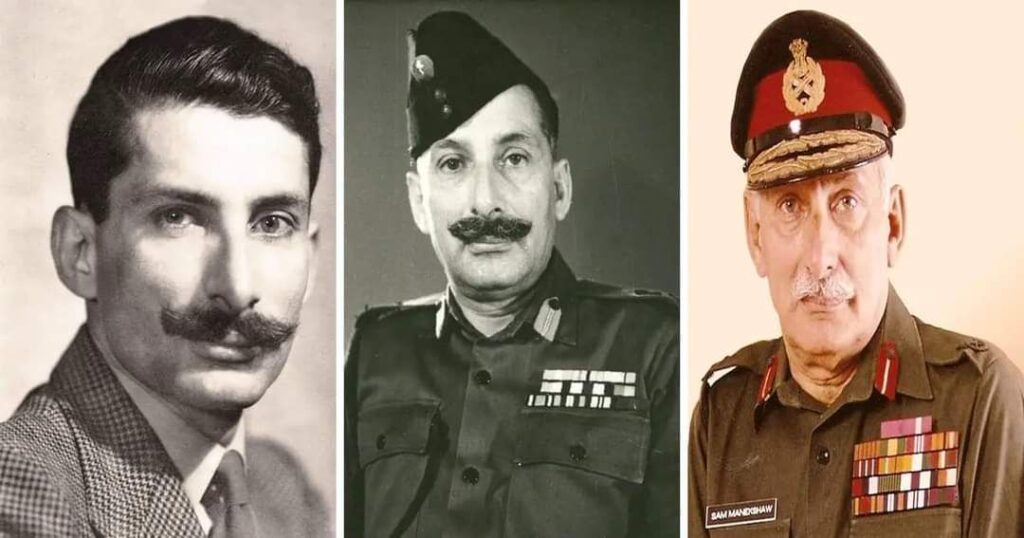

Sam Bahadur – A lackluster effort which disappoints

A review by Sanjiva Sahai

Sam Bahadur, the biopic by Meghna Gulzar, attempts to bring Field Marshal Sam Manekshaw to life, but it’s a lacklustre effort that falls flat. Watching his interviews or listening to audio recordings would have been a more engaging tribute.

Yes, the movie falls flatter than a pancake, lacking the cinematic excellence needed to do justice to this real-life hero’s valour and contributions. The screenplay and execution, akin to a deflated balloon at a celebration, fail to capture the essence of his remarkable journey. It’s almost as if the scriptwriters were aiming for a snooze fest rather than a compelling tribute to the national icon.

Furthermore, the core of the narrative hinges on the war sequences. Whether lifted from dusty archives in mere snippets or presented without leaving a discernible impact, these scenes fail to contribute meaningfully to the overall theme.

The movie adopts a docudrama-like tempo, punctuated by sporadic witty moments that aim to reflect the essence of Sam’s character. Unfortunately, this approach falls short of creating a consistently engaging experience, leaving viewers yearning for a more dynamic and compelling storytelling rhythm.

Vicky Kaushal nails the postures but overdoses on drama in dialogue delivery, occasionally channeling Dev Anand – a peculiar choice. His characterization is more external that misses out on the depth. The actor who moved everyone of us with Sardar Udham, stays put on the periphery. Fatima Sana Sheikh’s portrayal of Indira Gandhi lacks authenticity, bordering on the amateurish. Most of the actors in the movie come and go unnoticed. In the midst of the forgettable portrayals on reel, one can’t help but salute the vibrant spirit of the real Manekshaw.

Talking about my generation- having grown up inspired by the valour and vibrancy of Manekshaw, listening to his words on the radio and later on TV, the movie proves to be a disheartening disappointment.
_____ Sanjiva Sahai


Animal – Blood and Gore!

by Neelam Mansingh

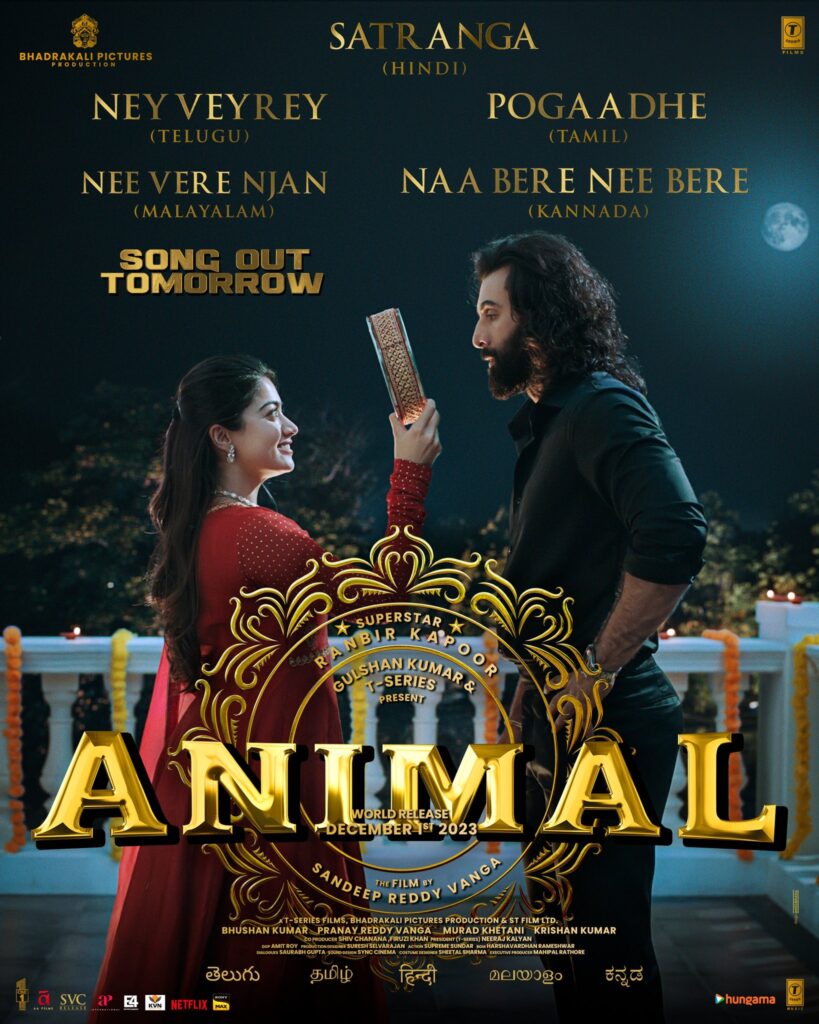
Saw Animal last night . The film stars Ranbir Kapoor, alongside Anil Kapoor, Bobby Deol, Rashmika Mandanna and Tripti Dimri. It’s a Blood and Gore assault! Daddy is emotionally negligible so son goes berserk . A psychopath who desperately needs help but also seems beyond help . I was wondering when the law and order machinery will enter the cinematic screen . An alternate world where violence and savagery without consequences exists and proliferates . The women are spirited but their agency gets demolished as the Protagonist calls the shots ( pun intended ) the father not loveing his son syndrome becomes demonic , and the father, Anil Kapur, wimps his way looking bewildered , a linear performance without nuance ! . Ranbir , Ranvijaya’s misogyny despite its repulsion manages to make it watchable . The crowd clapping at cringe moments made me wonder at the new narratives in cinema . Did I like the film ? I am not sure if I can use terms liked or disliked . Am ambivalent about its intent and purpose ? Hell no ! The director is not Tarantino! Violence reached its precipice and the Neanderthal Alpha pitch is many decibels too high ! Ranbir triumphs in terms of acting chops and manages empathy, moments that make us feel his angst . Its box office bonanza augers a danger sign for society at large . Pulp fiction is a genre that can be considered exciting but this bloodied and bludgeon me .


AFWAAH – a landmark film by Sudhir Mishra

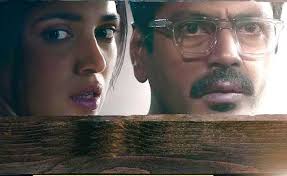
‘Afwaah’ is an announcement, if one were needed, of Sudhir’s arrival as perhaps the most perceptive political film makers of our time . A brilliant take on the abuse of social media in India Today, it’s weaponisation to serve vested political interests, fake news and its humongous and horrific impact on society, a telling comment on the grotesque systemic and personal injustices and subversion of law of the land, the inconsequence of human lives, be it a community, be it gender, abject and impotent silence of the intelligentsia.

The film is a thrilling edge-of-the-seat ride along the journey of protagonists caught in the web of a tragicomic narrative of their own creation. Each character is a real persona you can spot in your own environment. An amazing story of how conflicting narratives recoil on their own creators in a way, nobody could have predicted or anticipated.

It is a must see film . Sudhir Mishra has arrived .

Synopsis:

Rahab Ahmed, a top notch advertising professional takes an ill fated detour through his hometown and unwittingly rescues Nivi, a political heiress running away from her father’s legacy. This fateful night becomes a journey through hell as rumors run rife and social media becomes a lethal weapon.

Afwaah is a quirky thriller that explores the power of rumours in our society. Directed by Sudhir Mishra and produced by Anubhav Sinha, the film features Nawazuddin Siddiqui and Bhumi Pednekar in lead roles. The film is set to release on May 5, 2023.

Cast:

Nawazuddin Siddiqui
Bhumi Pednekar
Sharib Hashmi
Sumit Kaul
Sumeet Vyas
Rockey Raina
TJ Bhanu

Crew:

Directed by Sudhir Mishra
Produced by Anubhav Sinha
Story by – Sudhir Mishra
Screenplay – Sudhir Mishra, Shiva Shankar Bajpai & Nisarg Mehta
Dialogues – Sudhir Mishra, Apurva Dhar Badgaiyann & Nisarg Mehta
Cinematography by Mauricio Vidal
Background music by Karel Antonín
‘Aaj ye Basant’ Song composed by Shamir Tandon
‘Aaj ye Basant’ Song Lyrics by Dr. Sagar
Edited by Atanu Mukherjee
Production Company: Benaras Mediaworks

Trailer Link:
https://stagebuzz.in/2023/05/04/afwaah-the-sudhir-mishra-thriller-opening-5th-may/


‘AFWAAH’ the Sudhir Mishra thriller opening 5th May

Rahab Ahmed, a top notch advertising professional takes an ill fated detour through his hometown and unwittingly rescues Nivi, a political heiress running away from her father’s legacy. This fateful night becomes a journey through hell as rumors run rife and social media becomes a lethal weapon.

Afwaah is a quirky thriller that explores the power of rumours in our society. Directed by Sudhir Mishra and produced by Anubhav Sinha, the film features Nawazuddin Siddiqui and Bhumi Pednekar in lead roles. The film is set to release on May 5, 2023.

Look out for this space tomorrow for a detailed analysis and review of the film by Poet, Thinker, Author: Dr. Madhup Mohta

Afwaah


The meteoric rise of a Superstar

By Sunil Sarpal

His Bollywood journey started from a bench in a Mumbai park.  He left his marketing job in Calcutta to migrate to Mumbai so as to try his luck in acting.  In Mumbai, he had to share accommodation with other aspirants. 

Once sitting on the bench, he was deeply engrossed in thought process as to how his acting career will take off.  He concluded if he keeps on living with these people, he shall not be able to focus on his career and all his endeavour of coming to Mumbai will go waste.  He needed a separate accommodation so that he can concentrate seriously on his career. 

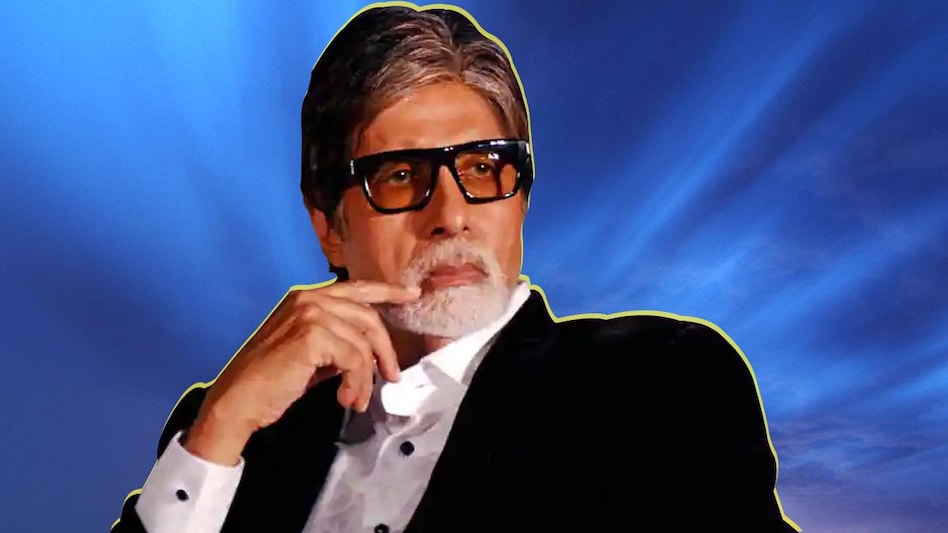
The movie which took him to stardom was Janjeer.  By now you must have guessed that we are talking about Amitabh Bachchan. Thereafter he did so many movies which took him to dizzy heights in Bollywood.   Some of them were Deewar, Namak Haram, Sholay, Don, Amar Akbar Anthony so on and so forth.   The list is endless. 

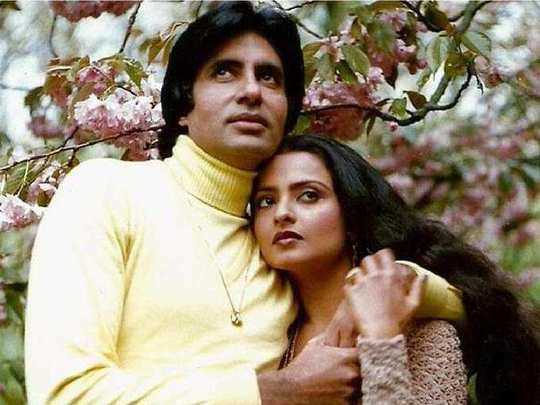
In movies, Amitabh was paired with so many heroins but his equation with Rekha was unique.  Even both of them were rumoured to have been in love with each other.  

His image of an angry young man in Janjeer became so popular that he was tagged with that image.  All renowned writers and producers started writing script keeping in mind his image of a young angry man. In order to come out of that image, Amitabh did so many different roles.  Even he tried his luck in comedy by doing Amar Akbar Anthony and his sense of humour was appreciated by the audience.  During those day, whatever Amitabh would put his hands on would invariably turn into Gold. 

He became so charismatic that this confidence prompted him to open a company called ABCL.  The purpose of opening this company was to make movies.  But the company flopped miserably and Amitabh became bankrupt.  

At that agonising hour in his life, Dhirubhai Ambani came to his rescue and extended financial help so that he could stand up again in his life. 

Amitabh’s fortune changed once again and from being a bankrupt, he emerged as a winner.  Acting roles started pouring in thick and fast in his life.   

He even earned lot of money thru the television show – Kaun Banega Crorepati – and that show is still going strong with him as the anchor.

In an interview, Salim Khan, the main writer of Deewar and Sholay movies, has opinionated that it is time for Amitabh to wind- up his career in acting. Because, for his age the roles are far and few. 

Some of Amitabh’s dialogue which became viral are:

1)     Rishte Mein to hum tumare baap lagte hain Naam hai Shahanshah

2)     Line wahin se shuru hoti hai jahan hum khade hote hai

3)     Khush to bahut hoge tum, jo aaj tak tumari sidian nahi chadha, dekho dekho who aaj tumare aage haath felai khada hai


हरियाणवी संस्कृति का एक नया अध्याय

लेखक – अनिल गोयल

1968 में बनी पहली फिल्म ‘धरती’ से होता हुआ हरियाणवी फिल्म उद्योग ‘चंद्रावल’ (1984) और ‘लाडो बसन्ती’ से होता हुआ आज ‘दादा लखमी चन्द’ तक आ पहुँचा है। इस बीच अश्विनी चौधरी की फिल्म ‘लाडो’ (2000) ने राष्ट्रीय फिल्म पुरस्कार जीता, और इसके चौदह साल बाद राजीव भाटिया की हरियाणवी फिल्म ‘पगड़ी दि आनर’ (2014) ने तो दो-दो राष्ट्रीय फिल्म पुरस्कार प्राप्त किये! ‘दादा लखमी’ क्षेत्रीय फिल्मों की श्रेणी में सर्वश्रेष्ठ फिल्म का राष्ट्रीय पुरस्कार जीत चुकी है। इसने साठ से भी अधिक अन्तर्राष्ट्रीय पुरस्कार जीते हैं। फ्रांस के प्रतिष्ठित कान फिल्म समारोह के फिल्म बाजार में दिखाई जानेवाली ‘दादा लखमी’ सच्चे अर्थों में एक ऐसे सिनेमाई मुहावरे को गढ़ती है, जहाँ से हरियाणवी फिल्मों के लिये अन्तर्राष्ट्रीय स्तर के द्वार खुल सकते हैं। हरियाणा की पारम्परिक लोकनाट्य विधा ‘सांग’ इसकी क्षमता रखती है। आमजनों की अपनी सहज भाषा में सहज जीवन के वात्सल्य से लेकर देशभक्ति, इतिहास, दर्शन और पौराणिकता तक का ज्ञान आमजन तक इन सांगों के माध्यम से पहुँचता रहा है।

लोक-परम्परा की इसी कड़ी में, हरियाणा के सूर्यकवि लखमी चन्द के सांग पिछली लगभग एक शताब्दी में हरियाणा के सांस्कृतिक प्रतीक के रूप में स्थापित रहे हैं। उन्हें “हरियाणा का कालिदास” भी कहा जाता है। उनका बचपन बहुत अभावों में बीता! केवल अठारह-उन्नीस वर्ष की आयु में ही लखमी चन्द ने अपने गुरुभाई जैलाल नदीपुर माजरावाले के साथ मिलकर साँग मंचित करने के लिये अपना अलग बेड़ा बनाया। उनकी प्रतिभा ने एक वर्ष के अन्दर ही उनके बेड़े को लोगों के बीच स्थापित कर दिया था। कुल बयालीस वर्ष की आयु तक ही जीवित रहे लखमी चन्द ने लगभग दो दर्जन सांगों की रचना की। शीघ्र ही पण्डित लखमी चन्द ‘साँग-सम्राट’ के रूप में विख्यात हो गये। वे कट्टर अनुशासन-प्रिय व्यक्ति थे। उनके बेड़े में हरियाणा के उत्तम से उत्तम कलाकार भी सम्मिलित होना चाहते थे। उन्होंने साँग की कला को उन ऊँचाईयों तक पहुंचा दिया, जिसका मुकाबला आज तक भी कोई और व्यक्ति नहीं कर पाया है।

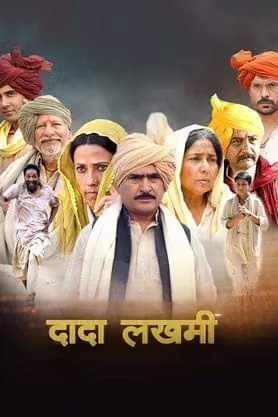
इन्हीं सूर्यकवि पण्डित लखमी चन्द पर हरियाणा के अभिनेता-निर्माता-निर्देशक यशपाल शर्मा ने ‘दादा लखमी चन्द’ फिल्म बनाई है. इसमें यशपाल शर्मा, मेघना मालिक, राजेन्द्र गुप्ता, आदि ने मुख्य भूमिकाएँ निभाई हैं। फिल्म में लखमी चन्द के बचपन की भूमिका में योगेश वत्स, और युवावस्था की भूमिका में हितेश शर्मा ने बहुत सशक्त अभिनय किया है। योगेश वत्स ने सुन्दर अभिनय करने के साथ-साथ इस फिल्म में गाने भी गाये हैं, जिसके मधुर गायन ने दर्शकों को बहुत आकर्षित किया. युवा लखमी की भूमिका निभा रहे हितेश का गायन और सांगी की भूमिका करते समय उनका नर्तन और अभिनय दर्शकों को लगातार बाँधे रखता है।

बहुत बार देखा गया है कि कोई अभिनेता-निर्देशक अपने को ही फिल्म के ऊपर हावी हो जाने देता है। लेकिन यशपाल शर्मा ने अपने को इससे बचाये रखा है। प्रारम्भ में कुछ समय को छोड़ कर बाकी की फिल्म में वे परदे से गायब हो जाते हैं।

लखमी के बाल्यकाल और किशोरावस्था की भूमिकाओं में भी अन्य कलाकार नजर आते हैं। लेकिन इन सब के ऊपर, अभिनय के आधार पर इस फिल्म को मेघना मलिक की फिल्म कहा जा सकता है। यशपाल शर्मा ने जिस प्रकार से मेघना मलिक के माध्यम से एक माँ के हृदय की वेदना को उभारा है, वह अतुलनीय है। मेघना की हरियाणवी भाषा में संवादों की अदायगी इतनी प्रभावशाली है, कि उनके बोलते समय पर पिक्चर-हॉल में सन्नाटा पसर जाता है; विशेषकर वह प्रसंग अत्यन्त मार्मिक बन पड़ा, जब तीसरी-चौथी बार लखमी के घर से भाग जाने पर वह थक कर कहती है, ‘इसे जाने दो।।।’ कैसे एक माँ अपने उद्दण्ड बेटे से हार जाती है, और ना चाह कर भी, मजबूरी में उसके घर से चले जाने को स्वीकार कर लेती है!

यह फिल्म यशपाल शर्मा की छः वर्षों की मेहनत का फल है। इसमें रागनी-गायन एकदम ठेठ देसी है, जो सीधा दिल में उतर जाता है। फिल्म की असली जान ही है उसका संगीत, जिसके द्वारा लखमी चन्द के सांग दिखाये गये हैं। एक कवि और सांगी की कहानी सुना कर यह पिक्चर फिल्म-निर्माण के क्षेत्र में एक नई राह दिखा रही है। उत्तम सिंह द्वारा तैयार किया इस फिल्म का उत्तम संगीत भारत की इस फिल्म को ऐमी अवार्ड दिलवाने की क्षमता रखता है।

बहुत समय के बाद परिवार के साथ बैठ कर देख सकने योग्य साफ-सुथरी फिल्म आई है। रवीन्द्र सिंह राजावत और यशपाल शर्मा द्वारा निर्मित इस लघु बजट की हरियाणवी फिल्म में समाज में पारिवारिक मूल्यों को पुनर्स्थापित करने की शक्ति है… इसे देख कर गाँव के सहज, सरल जीवन की ओर को वापसी का विचार मन में आता है। यह बच्चों को भी दिखाने योग्य फिल्म है, ताकि आधुनिकता की दौड़ में अन्धी होती हरियाणवी संस्कृति को पुनर्जीवन मिले।
यह फिल्म हरियाणवी फिल्मों को नई ऊँचाइयों तक पहुँचाने का दम रखती है। फिल्म देखते हुए कई बार हॉल में व्याप्त सन्नाटे से दर्शकों के रोंगटे खड़े होने का आभास होता था। इस फिल्म ने हरियाणवी रागिनी और सिनेमा, दोनों को जिन्दा कर दिया। फिल्म के एक-एक दृश्य में हरियाणा के ग्रामीण जीवन और संस्कृति दिखाई देते हैं। जिस प्रकार बाहुबली और आर.आर.आर. जैसी अरबों रूपये के बजट वाली दक्षिण भारतीय/क्षेत्रीय फिल्मों ने भारतीय फिल्म इंडस्ट्री को एक नई दिशा दी, वही काम आज ‘दादा लखमी चन्द’ जैसी एक छोटी सी, कम खर्चे की फिल्म कर रही है।

यह फिल्म पण्डित लखमी चन्द के जीवन का पहला भाग दर्शाती है। बाकी जीवन-चरित जानने के लिये फिल्म के दूसरे भाग की दर्शकों को प्रतीक्षा रहेगी।


OTT Series: Aranyak
on Netflix / Sanjiva Sahay

Aranyak
The brand new Hindi webseries on Netflix

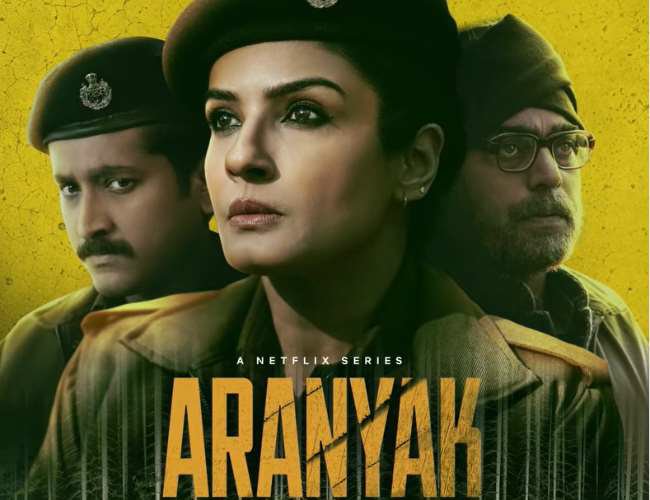
▫️ Welcome to the world of murder mystery that has the deceptive appearance of a folklore. This character- नर तेंदुआ- imaginary or real, would hammer your brain across 8 episodes. Since a fresh killing and rape of a girl , the sleepy town of Himachal Pradesh is jolted again. The police station, uncountable natives …complete with an influential politician and a high status business family. The probe begins, so does your journey into a narrative which is thrilling in the beginning and a big disappointment after 3 episodes. Lengthy, tedious and long drawn.

▫️ Casting is almost perfect. Parambrata excels as Angad Mallik, the investigating police officer. Surprisingly, Raveena as the SHO on leave, Kasturi Dogra, manages to get into the character effortlessly. Then we have actors like Ashutosh Rana, Zakir Husain, Meghna Malik among others who try earnestly to lift a dull screenplay. All remain stereotypes with some clichéd, overdramatic dialogues. The hangover of the forgotton era of the ’80s.

▫️ A mixed bag indeed. Average direction and writing, above average performances (better than Candy at least), effective background score. O yes, watch the series on faster speed for the breathtaking and picturesque locations. The climax has been shot in thick snowfall all over and looks phenomenal.

▫️ Nothing less, nothing more.


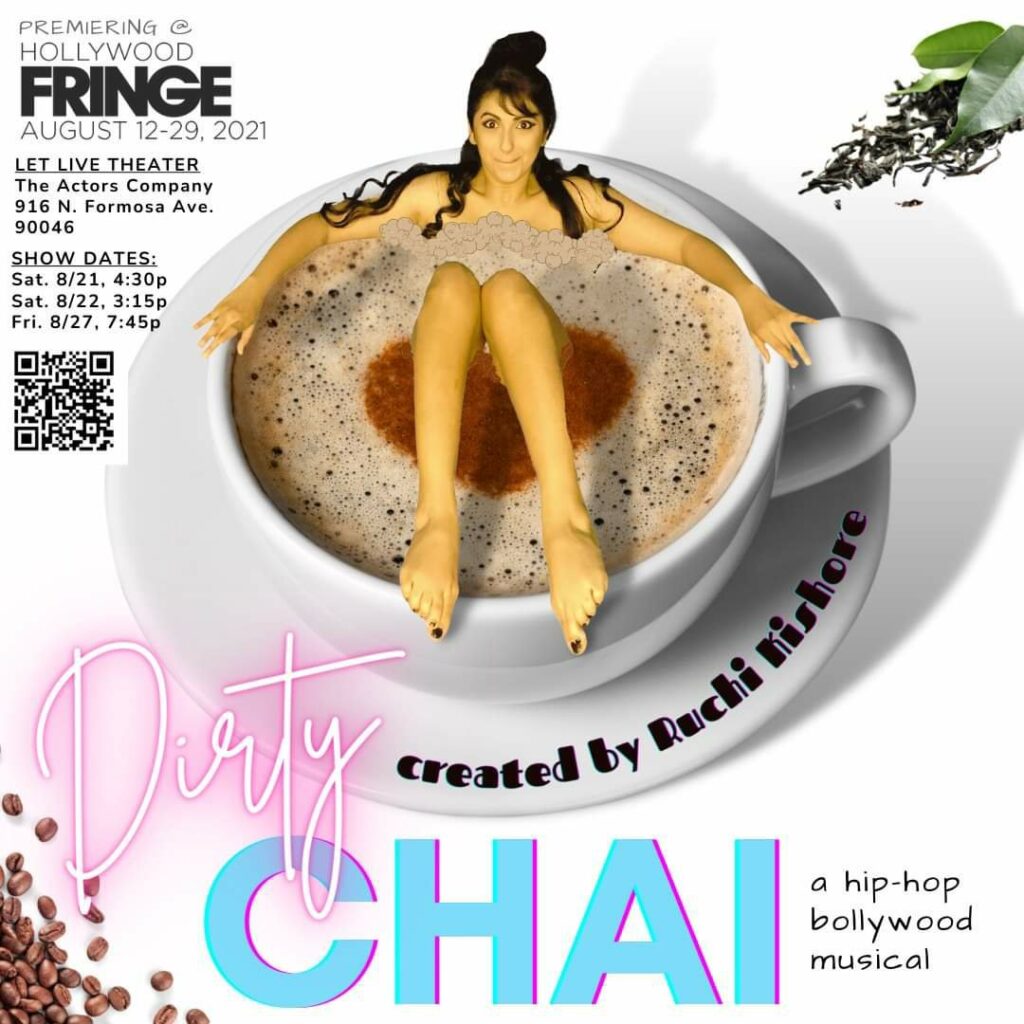
Ruchi Kishore’s : DIRTY CHAI, a hip hop Bollywood musical

DIRTY CHAI, a hip hop Bollywood musical, is a colorful & crazy dramedy, full of heart!

Chaya Chandrika Gopi, or “Chai” as she likes to be called, is a rebellious Indian-American bride-to-be. Chai’s parents have promised her to a nice Indian boy and the wedding is in ten days. With her back against the wall, not yet ready to give in to this assault on her freedoms, Chai leaves home but unexpectedly falls in love with a charming & mysterious stranger, making a powder keg out of an already complicated situation. Chai finds forbidden love with a fearless American girl, Ronnie, and is trapped between upholding her family’s traditions or following her heart, which goes against everything she’s been taught.

Chai is a messy concoction of two very different cultures, two conflicting identities, and two opposing desires, just like the dirty chai she orders each morning- a perfect brew of espresso and chai (tea).

Her Indian father, Mr. Hardik Gopi, is a traditional Hindu man.

Her White American mother, Mrs. Rani Gopi, converted to Hinduism after falling in love.

Filled with excitement and sarcasm, DIRTY CHAI challenges the walls of formality, fear, and judgment that separate people. Every cause has an effect in this intricately interwoven dramedy about human lives, embracing family, and the chaos of falling in love.

P.S. There will be a wedding so, “chai” not to miss it! o.O

Directed by Adam Marcus
Starring Ruchi Kishore as “Chai”
Sponsored by Café Cafe Mobile Coffee

Now Watch the play online on this link:

https://m.facebook.com/story.php?story_fbid=194272942628895&id=103549798665628


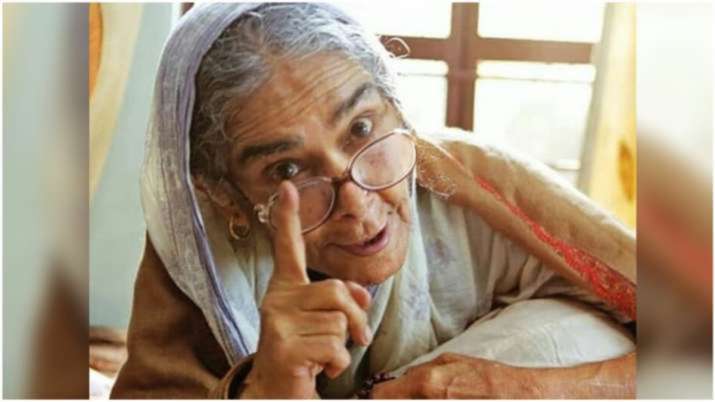
As tributes pour in on Surekha Sikri’s demise listen to her Swan Songs

Veteran actor Surekha Sikri passed away this morning, Friday the 16th July 2021, following a cardiac arrest, her agent, Vivek Sidhwani informed. In a statement shared with the media, the agent said the actor had been suffering from complications arising from a second brain stroke. She was with her family and her caregivers who requested privacy at this time.

Surekha Sikri (19 April 1945 – 16 July 2021) was an Indian theatre, film and television actress. A veteran of Hindi theatre, she made her debut in the 1978 political drama film Kissa Kursi Ka and went on to play supporting roles in numerous Hindi and Malayalam films, as well as in Indian soap operas. Sikri has received several awards, including three National Film Awards and a Filmfare Award.

Sikri won the National Film Award for Best Supporting Actress thrice, for her roles in Tamas (1988), Mammo (1995) and Badhaai Ho (2018). She was awarded the Indian Telly Award for Best Actress in a Negative Role in 2008 for her work in the primetime soap opera Balika Vadhu and won the Indian Telly Award for Best Actress in a Supporting Role for the same show in 2011. In addition, she won the Sangeet Natak Akademi Award in 1989 for her contributions towards Hindi theater. Her last release Badhaai Ho (2018) got her immense recognition and appreciation from viewers and critics. She won three awards: the National Film Award for Best Supporting Actress, Filmfare Award for Best Supporting Actress and the Screen Award for Best Supporting Actress for her performance in the film.

As a fitting tribute to the great performer she was we will listen to her mellifluous recitations of Hindi and Urdu Poetry. But before that, here are some of the tributes which poured in on social media and otherwise from her millions of admirers, and eminent people whom she knew, including actors and directors from film, television and theatre.

Ashish Abrol, Income Tax Commisioner, laments: “Surekha Sikri or Surekha di as we called her passed away today morning. I cannot get myself to accept that she is no more. I came to know her in 1985 when she was a faculty member in NSD and came completely under her thrall as she became a mentor, teacher, older sister and a maternal figure for me. Her panache, idiosyncrasies, brilliance as an actor and her erudition… often when her silences taught you more than lectures of so many others. Her love for chaat and the occasional joint… later of course she could not eat much courtesy the intestine problems. She was perhaps the greatest theatre actor ever in modern India; some one who could emote and yet be aware of her own performance as if standing out of her body observing herself perform. More than that she was always overflowing with warmth that traveled to you through her twinkling often mischievous eyes. She was so thrilled when her son Rahul had an exhibition in The Habitat Centre …I was not in touch with her for some time more since her paralysis and with her inability to speak. A triple national award winner; Surekha ji was known to the country at large courtesy her TV and film roles…in Tamas, as Dadisa, in Mammoo but it is her oeuvre in theatre that is stunning; she owned the stage, set it on fire and then doused the flames with her voice and gentleness. RIP Surekha di my mother in another life you live on in your performances and our memories”

“She was one of my personal favourites .. a lovely actress .. will never forget her Nsd work when I was in college in delhi .. god bless her” – Lillet Dubey

“There is a total immersion in life…have deeply admired her work, her persona from the Nsd days, so fully engaged in enjoying everything that came her way intensely” – Amba Sanyal

“Surekha my dear dear friend! We were in the same batch! A consummate actress,very strong woman , determined and brave! ! Never let go of her beliefs and strong options! I shall miss her dearly” – Amal Allana

“Very very sad news. We have lost another great actress. Surekha Sikri left for her heavenly abode. Heartfelt condolences to her family. May God rest her soul in peace” – Satish Anand

“Another great loss to theatre and films. She was a great actor and inspiration to all her juniors at NSD. Will never forget her superb performances. Rest in peace Surekhaji” – Anila Singh Khosla

“Deeply saddened – was always uplifted by her rendering of Faiz’s poem- may she rest in eternal peace” –Salima Hashmi

“Shocking news. She was one of the few who defined theatre for us in our youth. What a great loss for all of us” – Rajiv Bhargav

“Last of the greatest products of NSD..and loved and respected hugely for her talent and principles. Will be sorely missed” – Dolly Thakore

Tail Piece: Surekha Sikri was very fond of poetry. Listen to her reciting poetry by Faiz, Raghuvir Sahay & Sarveshvar