Sanskar Bharati’s Akhil Bharatiya Sadharan Sabha: A Grand Confluence of Art and Culture
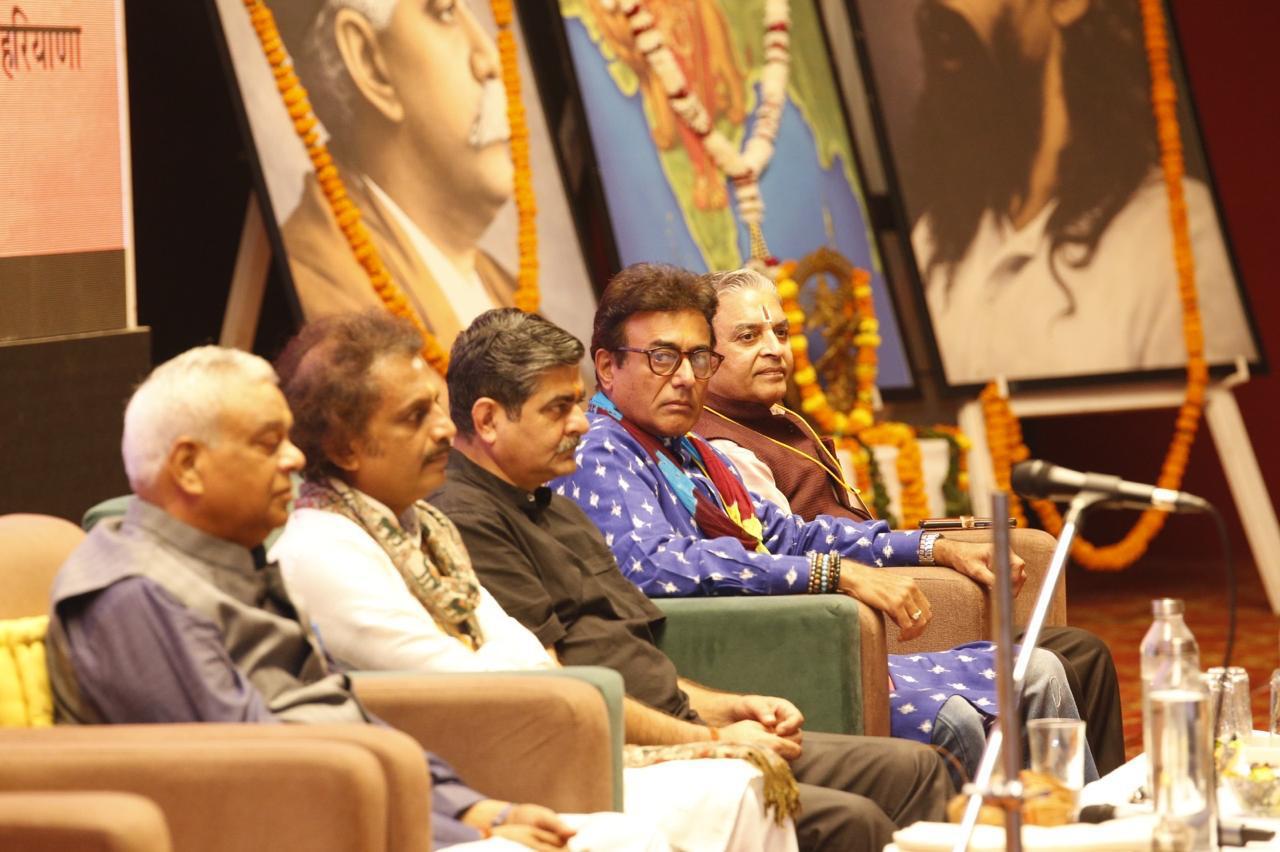
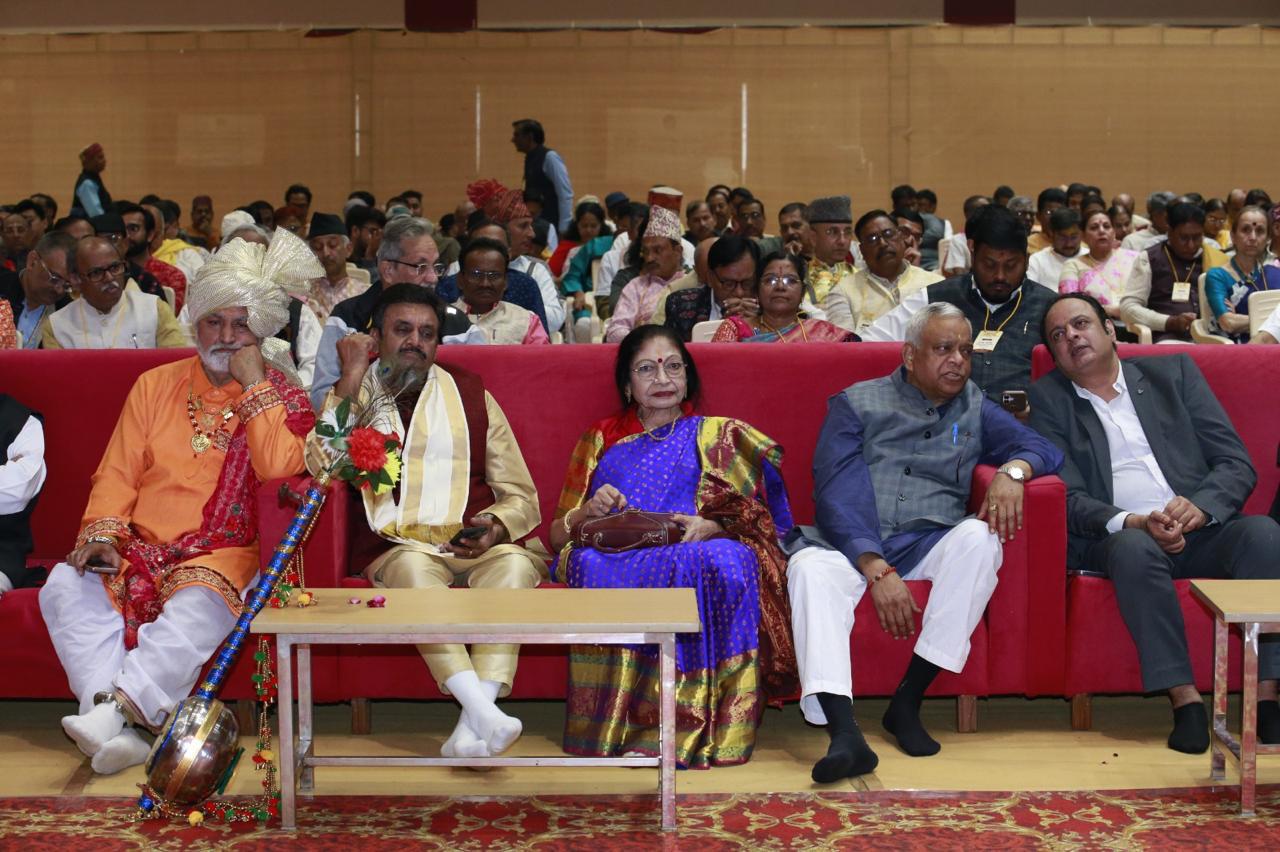
A magnificent celebration of Indian art, cultural heritage and national unity marked the inauguration of Sanskar Bharati’s Akhil Bharatiya Sadharan Sabha. The inaugural session witnessed the participation of distinguished artists, cultural practitioners, office-bearers and representatives of various art departments from different states and regions of the country. The impressive gathering reflected the organisation’s nationwide presence and its continued commitment to preserving, promoting and strengthening India’s rich artistic and cultural traditions.
The inaugural session was graced by Shri Amit Arya, Vice-Chancellor of Shri Lakshmi Chand State University of Performing and Visual Arts, as the Chief Guest. The distinguished dignitaries on the dais included Shri Pawan Jindal, Kshetra Sanghchalak; Shri Nitish Bharadwaj, renowned actor and National Vice-President of Sanskar Bharati; Dr. Mysore Manjunath, All India President of Sanskar Bharati; Shri Ashwin Dalvi, All India General Secretary; and Dr. Nem Chand Garg, President of Sanskar Bharati Haryana. The session was conducted by Shri Devendra Rawat, All India Convenor of the Performing Arts Department.
The inaugural ceremony began on an artistic and patriotic note with a captivating dance presentation of Sanskar Bharati’s Dhyeya Geet (Organisational Anthem). Through the harmonious blending of dance and music, the performers beautifully conveyed the organisation’s cultural vision, its dedication to Indian art traditions and its commitment to nurturing the nation’s cultural consciousness.
This was followed by a soulful presentation of Vande Mataram by children, which filled the atmosphere with patriotic fervour and reverence for the motherland. The two presentations created a meaningful confluence of art, culture and national sentiment, setting an inspiring tone for the proceedings.
One of the defining features of the Akhil Bharatiya Sadharan Sabha was the impressive participation of representatives from different states and artistic disciplines. Practitioners associated with music, dance, theatre, literature, painting, folk arts and performing arts came together on a common platform. Their presence reflected the extraordinary diversity of India’s cultural traditions, languages and regional artistic expressions. At the same time, the gathering highlighted the underlying unity that connects these diverse traditions as an integral part of India’s cultural identity.
The Sabha was not merely an occasion for organisational deliberations but also an important platform for cultural dialogue, interaction and the exchange of experiences among artists and cultural workers from across the country. It provided an opportunity to strengthen coordination among different art departments, understand regional cultural initiatives and collectively discuss the future direction of the organisation’s activities.
Addressing the gathering, Chief Guest Shri Amit Arya spoke about India’s rich artistic heritage and the importance of preserving and promoting its cultural traditions. He emphasised the role of art as an important expression of society’s creative spirit and cultural identity. His address encouraged artists and cultural practitioners to continue their artistic pursuits with dedication and contribute towards carrying India’s rich cultural legacy forward.
On the occasion, Dr. Mysore Manjunath, All India President of Sanskar Bharati, felicitated Chief Guest Shri Amit Arya and Kshetra Sanghchalak Shri Pawan Jindal as a mark of respect and appreciation.
A particularly significant highlight of the inaugural session was the felicitation of eminent artists and cultural practitioners from Haryana. Recognising their valuable contributions to the state’s artistic traditions, folk culture and cultural heritage, Sanskar Bharati honoured Smt. Sangeeta Murthy, Shri Manish Joshi, Shri Dharam Singh, Smt. Sumitra Guha, Shri Mahavir Guddu, Shri Mahesh Joshi, Smt. Sudesh and Shri Gautam. All the artists were felicitated by Dr. Mysore Manjunath.
The felicitation ceremony acknowledged not only the individual achievements of these practitioners but also their sustained dedication to keeping artistic traditions and cultural practices alive. It underscored the important role played by artists and folk practitioners in preserving the cultural identity of society and passing its creative heritage on to future generations.
Shri Nitish Bharadwaj, renowned actor and National Vice-President of Sanskar Bharati, also addressed the gathering. Sharing his thoughts on the significance of Indian art and culture, he highlighted the need to keep the country’s cultural heritage vibrant and relevant. He emphasised the role of artistic activities in spreading cultural awareness and strengthening society’s connection with its traditions. His experiences and insights generated considerable enthusiasm among the artists and delegates present.
The participation of representatives from different states and artistic disciplines further reflected Sanskar Bharati’s extensive cultural engagement and its efforts to bring practitioners of diverse art forms onto a common platform. The interaction among delegates offered valuable opportunities to understand one another’s work, exchange ideas and strengthen collective efforts towards the promotion of Indian art and culture.
The inaugural session concluded with a vote of thanks by Dr. Nem Chand Garg, President of Sanskar Bharati Haryana. He expressed gratitude to the Chief Guest, distinguished dignitaries on the dais, national office-bearers, representatives from various states, artists, cultural practitioners and all those who contributed to the successful organisation of the event.
The grand inauguration of Sanskar Bharati’s Akhil Bharatiya Sadharan Sabha thus emerged as a significant celebration of India’s cultural diversity, artistic excellence and collective commitment to its cultural heritage. Bringing together artists and cultural workers from across the country, the gathering reaffirmed the importance of preserving traditional art forms, encouraging creative pursuits and strengthening the bonds of national cultural unity.