Mask Players Art Group’s National Theatre Festival Brings Six States Together on One Stage
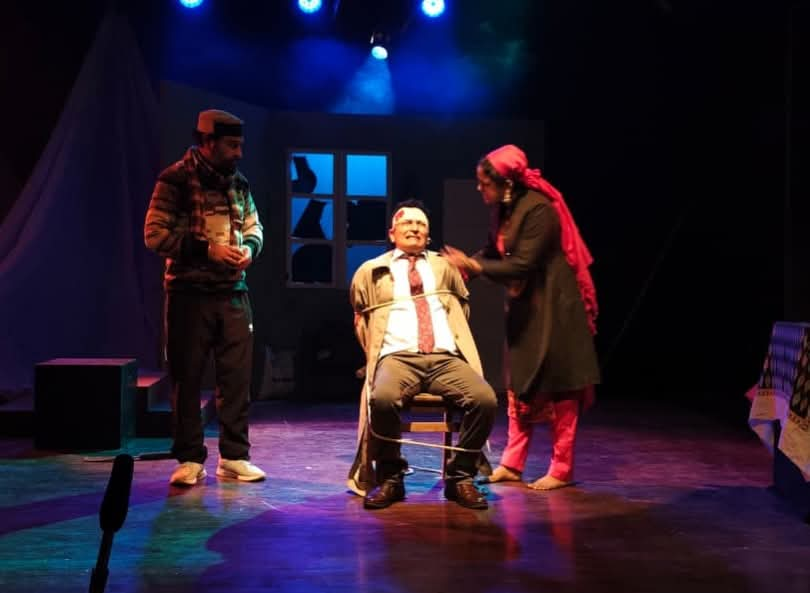
Mask Players Art Group brings together theatre companies from across India for a three-day festival exploring social realities, human relationships and contemporary concerns.
New Delhi | November 2026
Bringing together diverse voices, regional narratives and compelling theatrical expressions, the National Theatre Festival, organised by Mask Players Art Group, offered Delhi audiences a vibrant glimpse into India’s rich and varied theatre traditions. Held from November 13 to 15, 2026, at the Sammukh Auditorium of the National School of Drama (NSD), the three-day festival featured six theatre groups from Bihar, Assam, Kashmir, Telangana, Uttarakhand and Haryana.
Each production explored a distinct social or cultural theme, reflecting the concerns, experiences and creative sensibilities of different regions. Together, the six performances made the festival a celebration of India’s cultural diversity through theatre.
The festival opened with Bojh, presented by Bihar-based theatre group Achhinjal. Written and directed by Kashyap Kamal, the play explored questions surrounding women’s lives and the discourse on gender. Assam’s Wings Theatre followed with Helen, written and directed by Kismat Bano. The production brought attention to the lives and experiences of children with special needs, highlighting an important social concern through the medium of theatre.
Representing Kashmir, Kashmir Performers Collective (KPC) presented Arnimāl, a theatrical portrayal of the life of the celebrated Kashmiri poetess of the same name. Written and directed by Manzoor Ahmad Mir, the play brought the literary and cultural legacy of the poetess to the stage.
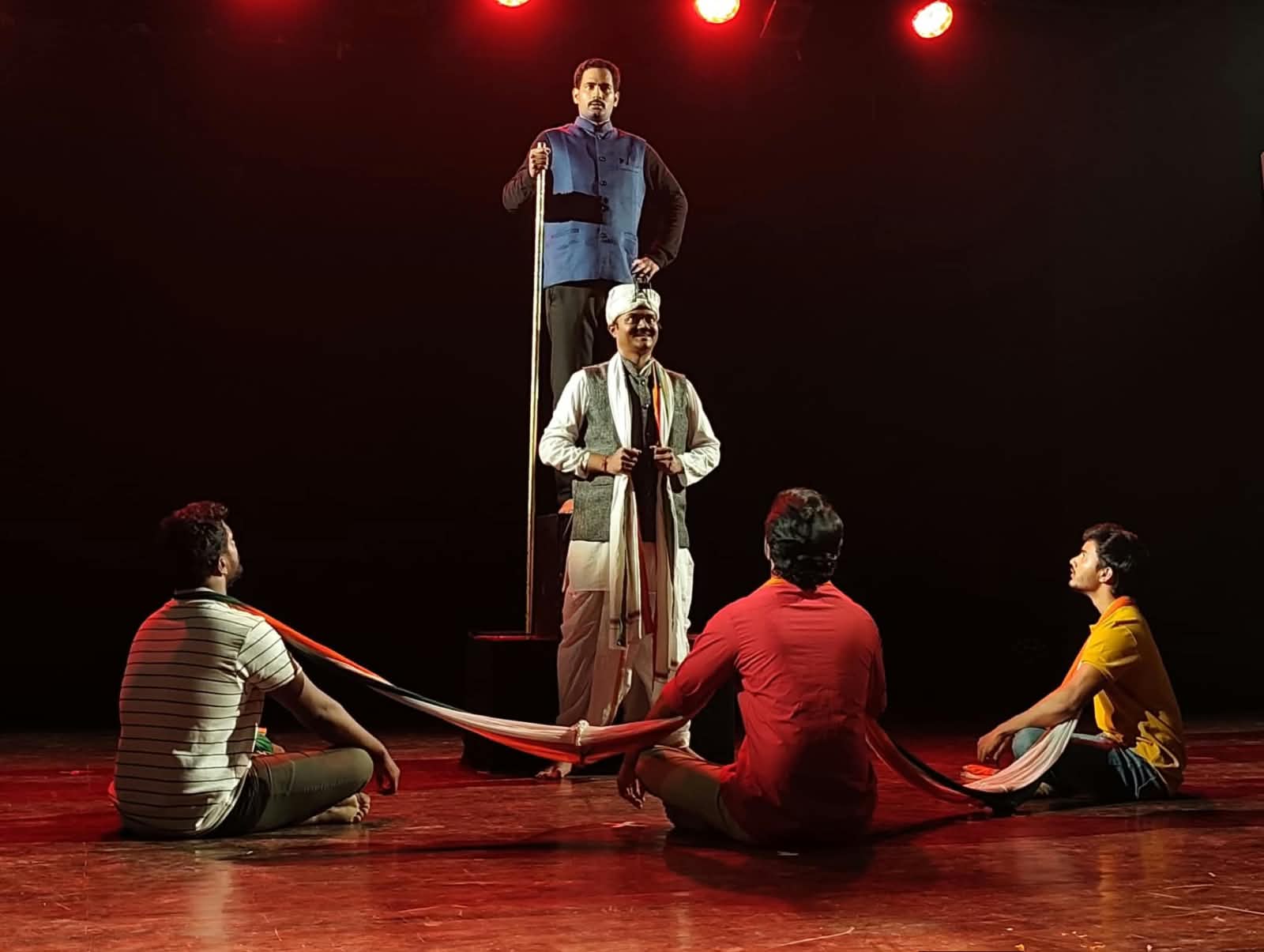
Theatre from Telangana found expression in Kohinoor, a political satire presented by The Centre for Arts, Media and Social Welfare (CAMS). Written by Shashimohan and directed by Summeta Venkataramana, the production offered a satirical perspective on political realities.
Uttarakhand’s Kala Darpan presented Barf, a play written by Saurabh Shukla, adapted for the stage by Badrish Chhabra and directed by Suvarn Rawat. Exploring migration from the hills, loneliness and the psychology of human faith, the production brought forth the emotional and social dimensions of life in the region.
The festival concluded with Hanuman Inside Me, presented by Haryana’s Abhinay Rangmanch. Written by Yashraj and directed by Manish Joshi, the play examined the pressures children face due to unwanted social expectations, drawing meaningful lessons from the Ramayana.
The festival’s six performances were anchored by RJ Mala, Himmat Singh Negi and Vijay Singh, whose engaging stage presentations kept the programme lively throughout the three days.
The event also witnessed enthusiastic participation from Delhi residents belonging to the participating states. For many, it was a special opportunity to experience theatre from their home regions in the capital. The audience response reflected the importance of creating platforms where regional theatre groups can share their work and connect with wider audiences.
Several distinguished personalities attended the festival, including Anil Sharma, MLA from R.K. Puram; Pravesh Wahi, Mayor of Delhi; Chittranjan Tripathi, Director of the National School of Drama; noted social worker Dr. Shobha Vijender; actor and television crime-show anchor Shrivardhan Trivedi; and Dr. Rubina Mittal, Professor at the University of Delhi. They appreciated the initiative and its contribution towards bringing different regional theatre traditions together.
Speaking about the festival, Chandrashekhar Sharma, President of Mask Players Art Group and Festival Director, emphasised the importance of connecting India’s rich cultural heritage through the performing arts. He expressed his intention to organise more such initiatives in the future.
Beyond the six performances, the festival highlighted the unifying power of theatre — an art form that transcends geographical boundaries and brings diverse voices, cultures and communities onto a common stage.