Tora’s Husband,’ the latest film by Rima Das, is simple in content and production. The film revolves around the transformation of the mindset of Jaan, an alcoholic young businessman and husband of Tora. Tora, a responsible village daughter-in-law with two children, loves her family, husband, and flowers, although she is not comfortable with her mother-in-law. In crafting the story of this couple, Rima Das has remarkably succeeded in portraying the lives, hopes, aspirations, frustrations, joys, imaginations, realities, problems, and other issues faced by the lead characters. The major characters are integral to society, and certain societal sequences also become part of the film. Rima Das seamlessly integrates the environment and people as a part of reality without imposing any constructed characters or locations, thereby enhancing the film’s authenticity.
The film’s narrative is thin and straightforward. Tora’s husband, Jaan, is a young enthusiast who engages in football, runs a successful business, drives a Bolero, and spends quality time with his children. However, his habit of drinking with friends late into the night, causing him to be absent at home, becomes a source of frustration for Tora. Set in a village close to an emerging business hub with an urban framework, the story unfolds just after the post-COVID period. As Jaan’s restaurant faces financial challenges, he grapples with the stress while also supporting the village football team financially. The film captures Jaan’s realization that his nightly drinking habits are taking a toll on his family, especially when Tora has to search for him at night. Tora’s hospitalization for COVID-19 infection becomes a pivotal moment, prompting Jaan to recognize Tora’s significance in his life.
The film progresses with two compelling assets: the vivid portrayal of village life and its inseparable connection with the characters, complemented by a balanced dose of normal humour. The narrative begins with Jaan taking his son to the cremation place of his deceased father, creating initial curiosity that, unfortunately, doesn’t contribute significantly to the main storyline. Instead, the film cleverly weaves in Tora’s purchase of flower seedlings from a small nursery, linking it symbolically to the climax and providing a meaningful reference to the earlier scene. The film skillfully uses the flower as a metaphor for the gap between Tora and Jaan, enhancing the emotional depth of the story.
While the film contains scenes that add instant appeal through natural acting and simple visualization, it lacks a well-structured screenplay. The scattered sequences, although interesting, often do not contribute to the central theme’s development. The film’s pacing issues raise questions about the necessity of a well-defined screenplay, as the story lacks a cohesive rhythm.
The film primarily explores the strained relationship between Tora and Jaan. However, crucial information, such as Jaan’s mother leaving due to Tora’s alleged misbehaviours, lacks convincing evidence, making it a less dominant aspect of their troubled relationship.
Towards the film’s conclusion, Tora’s return from the hospital is marked by a family walk on a narrow bridge in the rain, emphasizing the spiritual bonds, responsibilities, and reliance within the family. The film uses elements like rain, narrow bridges, and umbrellas as metaphors, elevating the scene’s aesthetic appeal and conveying deeper meanings.
The film’s visuals maintain simplicity to align with the narrative and production technique. The fixed camera frame offers opportunities for beautiful composition, yet cinematographer Rima Das doesn’t fully capitalize on this potential. The film’s visual simplicity contradicts its central message, as it fails to express the complex emotions inherent in the story through strong cinematic language. Despite the challenges of capturing busy outdoor scenes with a limited crew, Das maintains a balance in preserving the simplicity of the camera work.
The major characters, Jaan and Tora, are well-portrayed by the writers and director. Tarali Kalita Das delivers a convincing performance as Tora, while Abhijit Das effectively embodies the multifaceted character of Jaan. However, the characters of Jaan’s mother and sister, crucial to the story, are not proportionately presented. The two child characters are believable, adding depth to Jaan’s relationship with them. Though not closely connected to the main plot, other characters contribute to the film’s credibility.
While the film tells a compelling story, the necessary rigour and technical skills to seamlessly propel the narrative forward are somewhat lacking. Both the editor and director are responsible for ensuring a clean and cohesive film, but ‘Tora’s Husband’ falls short in this regard. The film’s timeline, set in the declining stage of the pandemic, handles COVID-related elements with sensitivity, focusing on the courage to embrace a new life. The protagonists embody the spirit of overcoming challenges, making the film a globally recognized work of art in the post-COVID era.
___Utpal Datta
Play ‘Couples Shuffle’ Conveys Message to Audience with Laughter
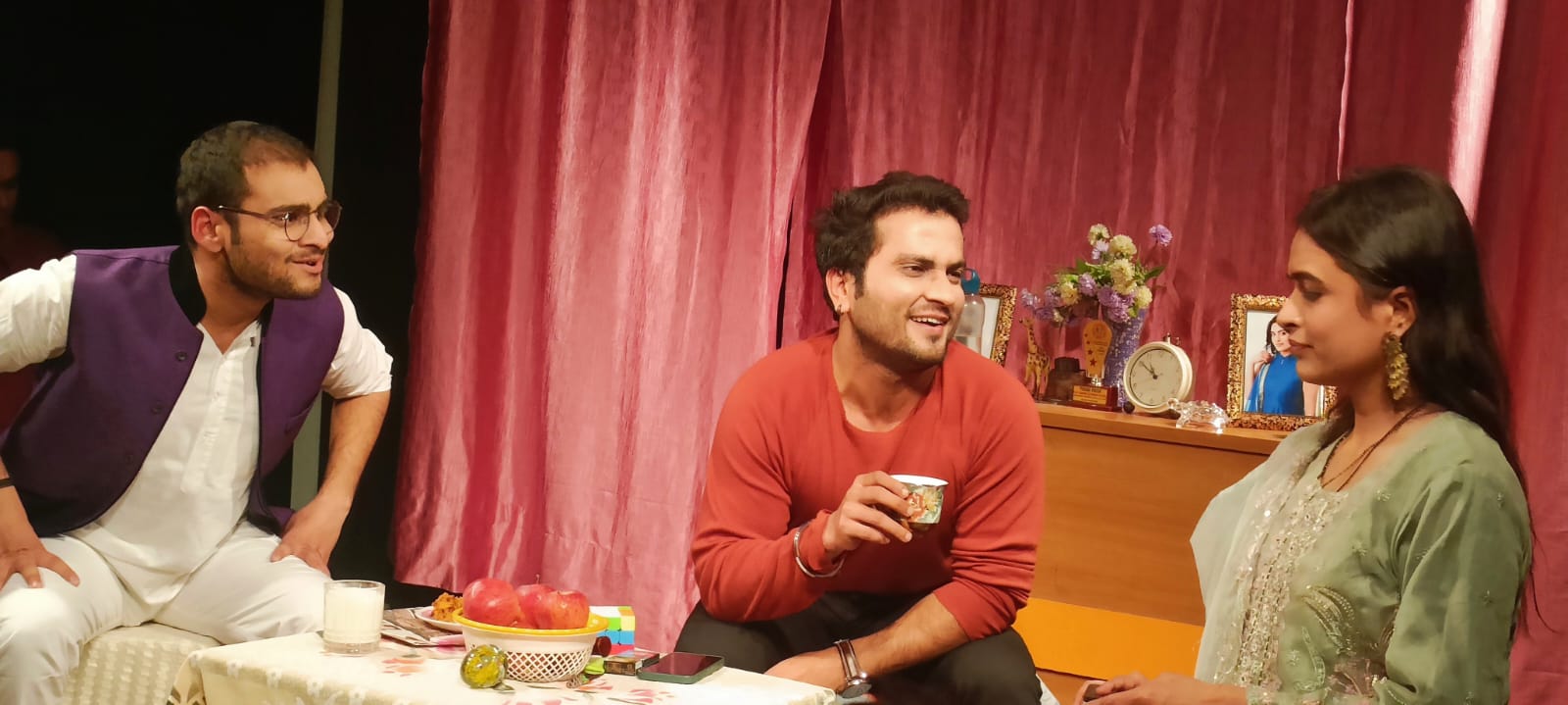
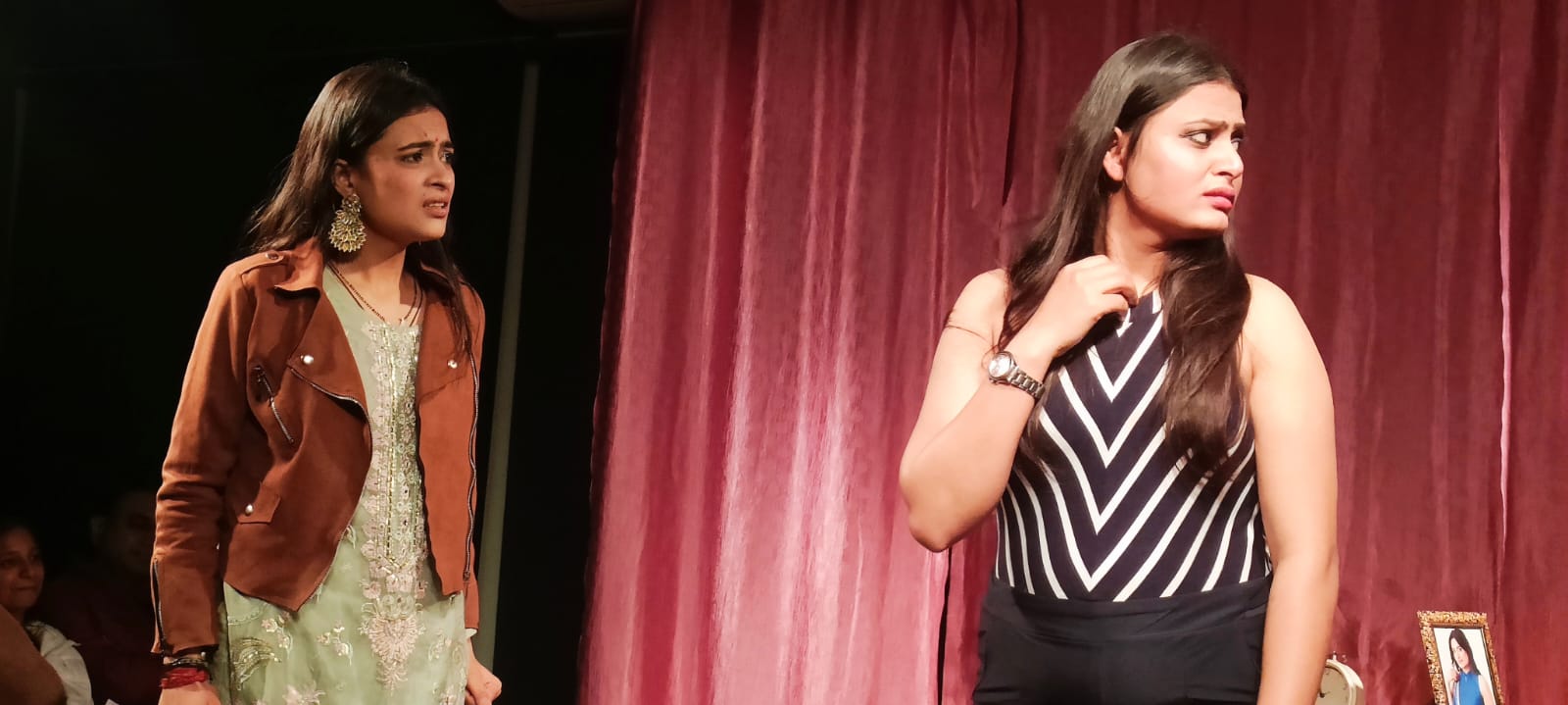
The husband-wife relationship is considered to be the most sacred in the world. Love and trust bind both, but many times husband and wife quarrel by finding shortcomings in each other and a third takes advantage of it. Something similar was seen in Anuragna Theatre Group’s presentation “Couples Shuffle“, written and directed by Ashraf Ali. The play was performed on December 24 at Black Canvas, L.T.G. Auditorium, Mandi House, New Delhi-01.
Sharma ji (Chirag) house where he lives with his wife (Shruti Aastha) Chawla. There is always a tussle between the two over small things. Meanwhile, their neighbor Dubey (Bilal Khan) enters, who tries to take advantage of the conflict between those husband and wife and put a string on Shruti. Meanwhile, Maya (Manisha Sharma) enters. Sharma ji is very impressed by seeing Maya and tries to increase friendship. This dilemma goes on for a long time and finally it is revealed that Dubey and Maya are husband and wife, and they came to Sharma ji’s house to investigate them in search of the Best Couple Award in which both of them failed.
Amidst laughter, this play also gives a message to the audience that ‘husband and wife should never leave each other in any situation and should maintain trust in each other’. Chirag played his character well in the role of Sharma, as well as his wife Shruti’s character had many shades, which she succeeded in keeping in front of the audience. In the role of Dubey, Bilal Khan kept the entire drama tied with his acting and put many laughs in it, as well as the performance of Manisha Sharma in the role of Maya was also praise worthy.
Behind the stage were Goldie in the music, lighting was done by Manik Sharma, Kamal Negi was in the costumes and Ankit was in the stage material as well as Shamsher Khan and Avinash Tiwari in the set.
“Malti”: Like a Flower, it spreads Fragrance
Film Criticism | Utpal Datta
In Hindi, ‘Malti’ is the name of a little flower, distinguished by its delicate fragrance.
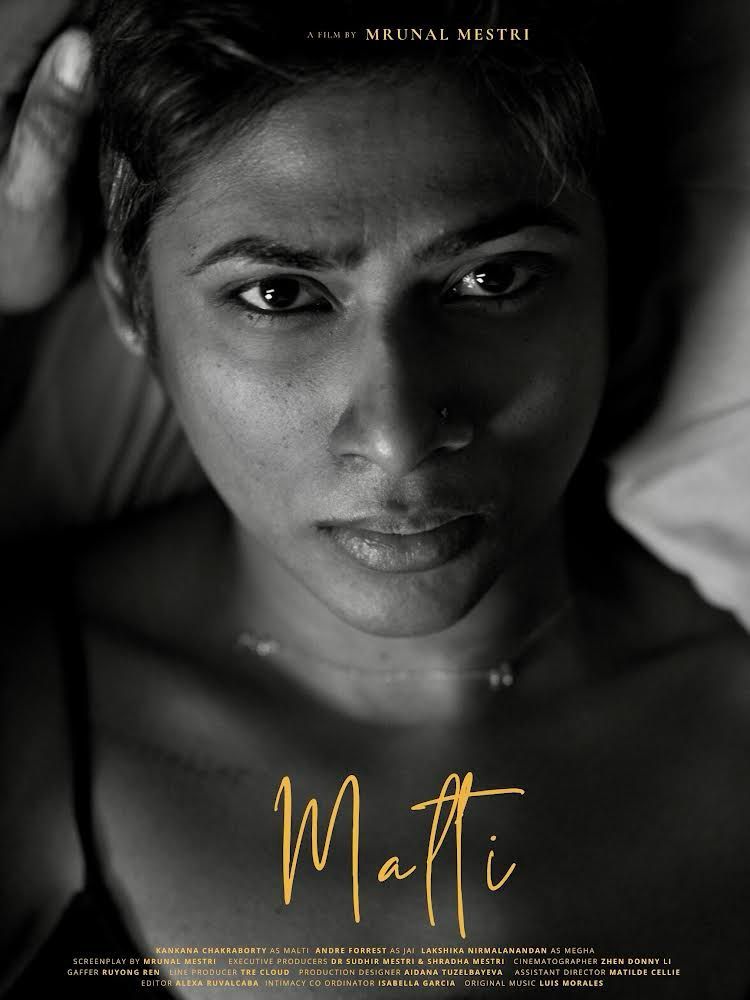
The film “Malti” opens with a woman in her thirties entering a house. Two framed photographs adorn the walls: one capturing a girl receiving a ring (a marriage proposal), the other depicting her embracing a man (indicative of marriage). Limited information about the woman is provided. She returns home, takes a bath, and searches for clothes in the closet. As she touches a man’s robe, her expression reveals a desire not for the fabric but for the man within. The emotion is palpable, deepened by a melodic accompaniment. It becomes apparent that the robe belongs to her beloved, and through it, she senses his presence. Selecting another robe, she detects a scent, halting her humming; the joyous closeness on her face dissipates, replaced by a pained question mark.
This sets the tone for the film. Mrunal Mestri, the writer-director of the sixteen-minute film ‘Malti,’ explores the emotions of a newly married woman discovering her husband’s proximity to another woman. While such narratives are not novel in cinema, the film’s real strength lies in the innovative approach taken by the writers and directors in visual storytelling.
The heroine sings at the film’s outset, offering no linguistic cues. Once the humming ceases, the film remains entirely devoid of audible sounds and dialogue—a dialogue-free cinematic experience. The director adeptly compensates for the absence of dialogue by strengthening the visuals to convey the narrative effectively. The primary crisis of the story is introduced within the first two minutes, a testament to the director’s skill. By isolating the woman inside the house, the director successfully immerses the audience in the protagonist’s emotional turmoil. The actress’s gestures convey her anticipation of her husband, evidenced by a smoky candle lit at night. While intimacy is shared in bed, her face betrays no interest, with only the presence of the other woman reflected in her eyes.
The film, presented in black and white, employs shadows and lights aesthetically to complicate scenes. Zhen ‘Donny’ Li’s camera work contributes to the film’s allure, with certain long shots effectively expressing the emptiness within the woman’s mind. Luis Morales’s background music enhances the film’s appeal, while Alexa Ruvalcaba’s editing skillfully balances the mood and pace of the story.
The director’s choice of a talented actress, Kankana Chakraborty, proves pivotal to the film’s success. Without any dialogue, Chakraborty eloquently communicates the subtle emotions of disbelief, surprise, distrust, and pain through facial and body expressions. Two standout moments include her poignant reaction while smelling the shirt and her solitary contemplation at the dining table. The actress seamlessly embodies the character, and a lion’s share of this credit is due to the director for this achievement.
The film tackles a complex theme, utilizing all elements of filmmaking proficiently to achieve its intended impact. Maintaining the delicate balance among numerous aspects is challenging, yet director Mrunal Mestri succeeds admirably. Although the name ‘Malti’ is presumed to refer to the film’s heroine, the film itself, devoid of dialogue, refrains from explicitly naming her. After viewing the film, one might ponder the choice of the name Malti. Perhaps, like the flower, the film ‘Malti’ is diminutive yet leaves an enduring appeal, akin to the fragrance of the flower.
Key words #utpal_datta #Kankana_chakrabarty, #Malti, #Mrunal, #short film
The story of an ice-cold relationship
Film review | Utpal Datta
It’s approaching evening, and a woman in her forties is seated in her house, engrossed in a video conference on her laptop. The phone rings, prompting her to step out of the conference to take the call. Her facial expressions and tone shift to a mundane and unwanted conversation. After the call concludes, she re-enters the conference, restoring a smile to her face. This marks the beginning of the film, subtly expressing that the woman inhabits two distinct worlds. An evocative entrance unfolds, inviting viewers into the film.
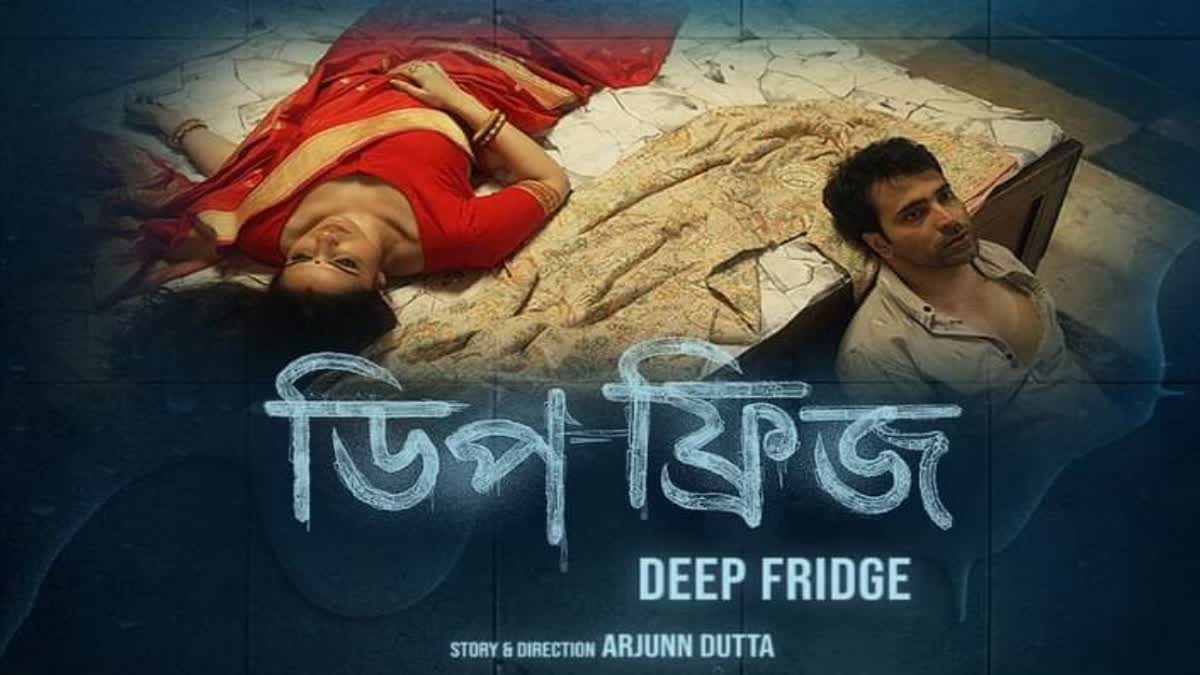
Titled ‘Deep-Fridge,’ this Bengali film hints at a section of the refrigerator where ice quickly forms. The name unmistakably suggests an urban theme. The narrative revolves around the relationship between two individuals – Mili, the woman introduced first in the film, and her husband Swarnava, both divorced. They share a child named Tatai, who resides with his mother. Tatai’s father has remarried and is anticipating another child. When the father visits, and Tatai reciprocates, his father’s second wife, Ronja, establishes a warm bond with him.
The initial scene’s conversation unveils Mili’s assumption of full responsibility for Tatai, with Swarnava equally invested. On that stormy evening, Swarnava visits to inquire about the child’s health. Reluctantly, both individuals engage in conversation, focusing on the child’s well-being. The child persuades his father to stay the night, and with no alternative, they hesitantly begin talking, gradually revealing the thoughts concealed in their hearts. The accumulated ice between them, preserved in the deep freeze for so long, begins to thaw.
Their marital happiness is disrupted when a third party enters, altering the course of their lives. While such narratives are commonplace in films, Arjun Dutta’s approach is distinctive. Swarnava marries a close acquaintance and is expecting children, while Mili falls in love with a younger man. Despite their intimate relationship being acknowledged by the boy’s family, Mili is hesitant to formalize it. She confides in her male friend, describing this intimacy as a form of escape. The film explores why Mili, who voluntarily embraces a free life, perceives this connection as an escape. As the daughter of a broken relationship, Mili harbours disdain for her mother, preventing her entry into her home. Despite Swarnava’s repeated apologies, Mili remains dissatisfied.
Lead Actors Abir Chatterjee and Tanushree Chakraborti
The film unravels the complexities on that rainy night, delving into various aspects such as questions, pride, conflict, sense of rights, responsibilities, and more, providing Mili with answers. It’s a portrayal of the ice in the mind, needing to melt and flow like water for life to progress.
While the film primarily addresses personal issues, the director’s adept storytelling elevates it to a profound exploration of the human psyche. Presented against the backdrop of a rainy night, the film captures the gloomy mood of the protagonist living in a confined space. Events unfold indoors, often in low light or even complete darkness, while flashback scenes bask in bright light, indoors and outdoors. Cinematographer Supratim Bhol skilfully utilises light and shadow to intensify the prevailing sense of claustrophobia. Capturing facial expressions in low-light situations is challenging, yet Supratim adeptly manages, maintaining the scene’s mood. The blue colour effect harmonises indoor scenes with the prevailing mood. The flashback scenes, featuring Mili in a bright red saree, visually symbolize her strength. In a morning scene following a troubled night, the sunlight delicately highlights the actor’s body and the room’s interior, showcasing the filmmaker’s sensitivity.
In this 100-minute film, Tanushree Chakraborty, portraying Mili, seizes the opportunity to express diverse emotions, perceptions, and reactions. Her nuanced performance, marked by restraint and avoidance of exaggeration, positions her as a potential contender for film awards. Abir Chatterjee, in the role of Swarnava, delivers a natural performance. The complexity of the principal character’s emotional journey is navigated with skill, given Abir’s experience. However, the kissing scene between Abir and Tanushree feels mechanical and hesitant, contrary to its narrative demand. Anuradha, playing Ronja, impresses with evident improvement as an actress.
The film alternates between the present and the past, with the present progressing chronologically and past scenes interjecting sporadically. Editor Sujay Dutta Roy adeptly manages this intricate pace transition. The Western music used as background music complements the film’s urban setting. Music director Soumya Rit seamlessly incorporates Indian Classical and Folk music as per scene and mood requirements. The sweet songs, especially the one composed with a blend of Mallar and Bhairavi ragas (Gagne Garaj Barse), stand out for their unique fusion and ability to enhance visuals. The singer Mekhla Dasgupta deserves special mention. However, the inclusion of Kaviguru Rabindra Nath Tagore’s name as a lyricist in the film’s credit title seems unjustified. Tagore did not write songs for Arjun Dutta’s films; Dutta used uncopyrighted songs for his work. Tagore’s name should be mentioned with proper dignity and respect, a practice observed in many Bengali films.
The screenplay (Arjunn Dutta and Ashirbad Maitra) could have benefited from greater attention to character development with visual details. While Swarnava’s profession is labelled as an economist, this alone falls short in establishing his credibility. Characters visiting Mili’s home needed more contextual references to firmly establish their identities. A brief verbal introduction proves insufficient for character identity establishment.
In his gentle and nuanced narrative, Arjunn Dutta gracefully unfolds the story of a divorced couple. As a suggestion for future endeavours, expanding creative horizons beyond the confines of upper-middle-class society could add a layer of richness to cinematic encounters.
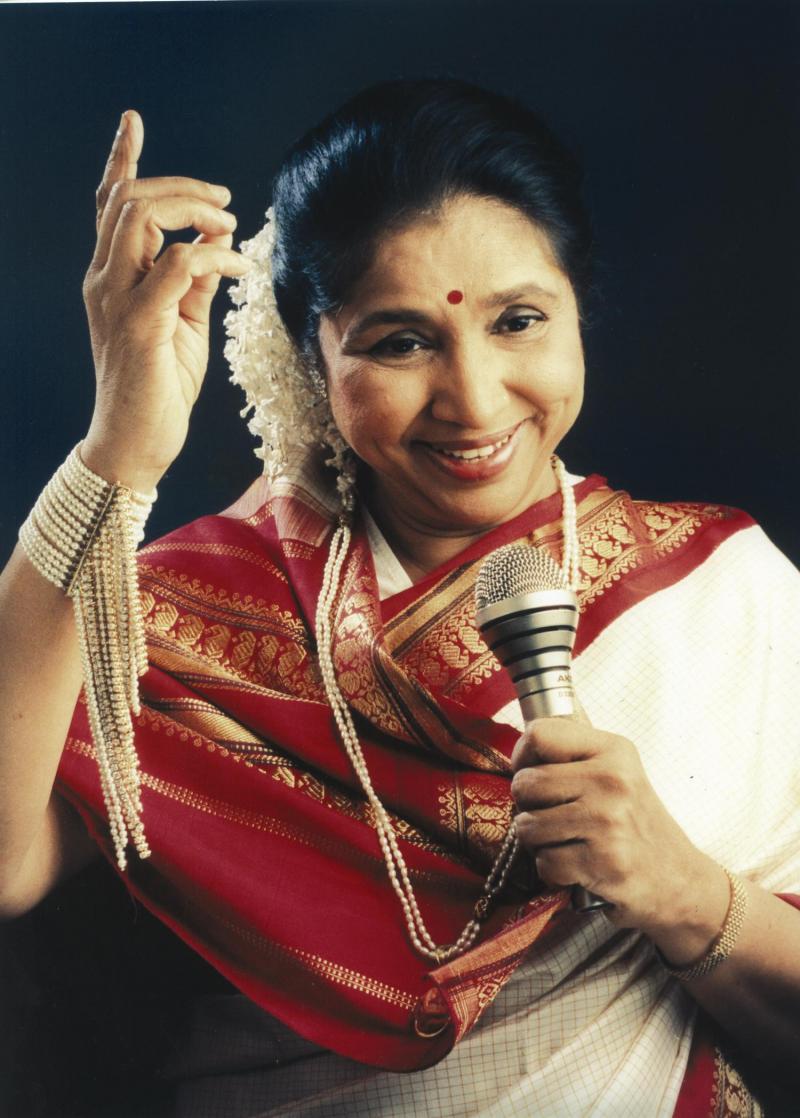
Asha Bhosle, the most charismatic female exponent of the Hindi film song (from the late 1940s to the early 1980s) when it became an independent art form, turned Ninety on 8th September, 2023. She has sung thousands of songs in good, bad an indifferent films, principally in Hindi, where her singing has been the leading attraction. This is indeed high compliment as she has always been compared to her elder sister Lata Mangeshkar, who, in her prime years between the late 1940s to, the early 1980s, was the most tuneful or ‘Sureela’ of all woman singers in Hindi films, or films from any other part of India. Asha, however won out because of her versatility and the ability to conjure up a wide range of feelings and experiences that belonged to this flesh and blood world.
Her singing at first was not so different from that of her elder sister, a style she adopted or was made to adopt by certain music directors in order to sound like her thin-voiced but extremely mellifluous elder sister Lata. Not until O.P. Nayyar (1926–2007) came along, was she able to find her musical self. He reportedly told Asha, “Tum apni awaaz main gao (sing in your own voice)”. Nayyar saw to it that she did her riyaz (practise) every morning in her natural voice which was distinctly darker than her sister Lata’s and intrinsically sensual. But before O.P. Nayyar came along she had sung two non-film songs that still linger in the memory: “Geet kitni gaa chuki hun is sukhi jag ke liye” and “Ambua ki dari bole….”, both composed by the brilliant, mercurial table maestro Nikhil Ghosh.
Strangely enough in 1953, when Lata her elder sister was already famous, Asha was offered three solo songs by a gifted, young composer, Mohammad Zahoor Khan ‘Khayyam’ for Footpath, a film directed by Zia Sarhadi and Starring two powerful young performers, Dilip Kumar and Meena Kumari. It was said that Lata wanted to sing those three solos but young Khayyam stood firm backed by his director. ‘Piya aaja re’, ‘Kaise jadoo dala re’ and ‘So jaa mere pyare’ sung by Asha Bhosle are still remembered along with Talat Mahmood’s immortal “Sham-e-gham ki qasam”.
Soon after the brilliant composer Madan Mohan, a Great Lata fan, got Asha to sing a ghazal written by Jalal Malihabadi, “Saba se ye keh do” for the film, Bank Manager. Asha’s rendering had both empathy and romance. As a singer she had arrived. But the contracts for solo songs were not that many. Earlier in Sangdil, 1952, a Dilip Kumar—Madhubala starrer, a composer of genuine originality, Sajjad Hussain, had got Asha to sing a duet with Geeta Dutt, an unusual talent. “Dharti se dur gore badalon ke paar aaja”. It was a haunting duet with Asha showing both vocal range and a timbre that could be called tactile. It was a voice destined to stay in the memory of the listener.
It took Asha a fairly long time to establish her identity as a truly fine soloist, despite earning respectable sums of money. Lata held sway over the film music world as a soloist, with her obviously formidable musicality and by sounding like a ‘virgin’. A musical approach that seemed to fit the image of all the leading ladies who were there to shore up the moral quotient of Hindi films and were thus curtailed emotionally, leaving the male leads to indulge in their peccadillos!
It was Nayyar, whose career was in the ascendant who worked hard to project Asha as a solid, reliable soloist. In Shakti Samanta’s Howrah Bridge (1957) he promoted her as the voice of Madhubala, the reigning Queen of Hindi films and its only comedian. in “Aaye meherban”, Asha’s sensual singing picturised on Madhubala in a Cabaret sequence, made her sparkle. Then was the snappy, melodious solo, “Ye kya ker dala tuney” that made the most recalcitrant of cynics respond to the romance in the words and the music. In the same year Nayyar repeated his success with Asha in Nazir Hussain’s Tumsa Nahi Dekha. Her two duets with Mohammad Rafi were instant hits, namely, “Aye hain dur se….”, “Dekho kasam se kasam se”. Around that time, Sachin Dev Burman, created a moving solo for Asha in Bimal Roy’s Sujata, “Kali ghata chaye mora jiya ghabrae” mirroring the longings of an Untouchable orphan girl played by Nutan.
S.D. Burman had a falling out with Lata Mangeshkar, but ego forbade him to give in. Kala Bazar produced by Navketan and directed by Vijay Anand, had Asha singing “Sach hue sapne mere”. No female singer had sung with such abandon in Hindi films before, perhaps because the Heroines, with the notable exception of Madhubala, and Geeta Bali, who died well before their time, the only two who got roles to also express the sunny side of their personalities.
S.D. Burman got Asha to sing four solos in Narendra Suri’s, Lajwanti “Kuchh Din pehle…”, “Chanda re chup rehna”, “Gaa mere mun tu gaa” and “Koi aaya dhadkan kehti hai”, are all sung with depth and feeling and picturised on Nargis, an exceptional actress. They continue to be played on the Radio and on YouTube, surprising those young listeners are who responsive to the beauty of Indian melodies that enunciate and augment the lyrics that are set to them.
Two other solos recorded almost a decade apart come to mind : ‘’Main jab bhi akeli hoti hun’’ from Dharamputra (1962) composed with elegance and poise by N Dutta, and, ‘’Mein shayad tumhare liye ajnabi hun’’, a haunting melody composed by O P Nayyar for Ye Raat Phir Na Ayegi.
Contemporary composers, to be sure, had been aware of Asha’s potential and the expressive quality of her voice. However, they were not going to challenge the preference of film producers and financiers who were completely taken in by the virginal sweetness of Lata Mangeshkar’s voice and her unassailable technique. Asha would have to prove herself in duets (and did she!) She sang with Kishore Kumar in the Dev Anand—Nutan starrer, Paying Guest. “O deewana Mastana” and “Chod do aanchal zamana kya kahega” spring to mind after all these years with all their freshness and zing.
O.P. Nayyar had an unusual sense of melody, part Punjabi folk and part raga-based in its inspiration: this coupled with his pulsating rhythm section of tabla, dholak and occasionally, western drums, gave to many of his compositions a distinctive personality. Even when he cogged melodies from the West, eg., “Hun abhi mein jawan” sung by Geeta Dutt from Aar Paar that got its mukhda or introduction from “Put the blame on me” from Gilda, a Rita Hayworth hit from Hollywood directed by Charles Vidor. The Antara clearly had Nayyar’s distinctive touch.
Asha Bhosle, and before her Geeta Dutt, had voices most suitable to his work. Much as he had admired Lata Mangeshkar’s artistry, he found her voice to be too thin for his kind of music. Asha’s voice was very flexible, had a dark, sensual colour and was responsive to lyrics to express many moods and experiences. Nayyar understood perceptively both Asha Bhosle the woman, as well as the singer who brought his compositions to life. Until they parted in amidst much acrimony, they had literally been a perfect pair of lovers for twelve years.
Asha Bhosle, a mother of three, had been unhappily married to a man of uncertain profession, Ganpatrao Bhosle, from 1949 to ’60. He died in 1966, supposedly in a taxi. O.P. Nayyar, had married Saroj Mohini when he was seventeen and she, fifteen. They had four children together. He shot to fame with “Preetam aan milo” that he composed as a teenager and was first recorded by C.H. Atma as a non-film song. On discovering Asha Bhosle, he found his muse, and the perfect female voice for his songs. Their problematic marital status as separate individuals did not prevent them from living together in a beautifully furnished flat on Worli sea-face in Bombay.
When they parted in 1972, they had recorded for the film Pran Jaye Per Vachan Na Jaye, “Chaen se humko kabhi aap ne jeene na diya”. It was a masterly composition rendered by Asha with unfettered emotion, which, in effect, also summed up the cause of their parting. O.P. Nayyar could not find another female voice to replace her and his career faded away rapidly. He observed ruefully later, “I put all my eggs in one basket.” He regretted having side-lined a singular talent like Geeta Dutt. Asha went from success to success over the next three decades and married Rahul Dev Burman, the gifted composer son of S.D. Burman.
This digression was necessary while discussing the life of Asha Bhosle, an unusually gifted singer and a feisty woman who has navigated with unusual grit and skill through all the ups and downs in her turbulent life. For the record her depressive daughter Varsha committed suicide in 2012 and son Hemant, a composer, died of Cancer in 2015 in Scotland. Asha continues to fight on with every fibre of her being.
As late as 2001, when she sang, “Radha kaise na jaley” for A.R. Rehman in Amir Khan’s, Lagaan, Asha had retained the spring, and melody in her voice, which by then had become ever so slightly girlish. She could render fast taans (there are a couple of instances in this song) with ease and accuracy. No mean achievement for a singer in her late sixties.
She is believed to have sung Ten thousand songs in eight hundred films. One can only talk of one’s favourites and there are very many. There are the three from the Ashok Kumar starrer, Kalpana, (composer O.P. Nayyar), namely, “Phir bhi dil heye beqaraar”, “O ji sawan mein bhi… ”, “Beqasi hudh se jab guzar jaye”. Completely different from each other, revealing the amazing malleability of her voice, its unique melody and the sure grasp of evanescent emotion. There is the other haunting song, from Raagini, also composed by O.P. Nayyar, “Chota saa baalma” in Raga Tilang. There are a host of other Nayyar compositions as well.
“Jaaiye aap kahan jaayengi” (Film: Mera Sanam), “Meri nazrein haseen” (Ek Musafir Ek Haseena); ‘’Aaj meiney jana mera dil heye diwani’’ (Farishta), “Aaj koi pyaar se” (Sawan ki Ghata); “Yehi wo jaga heye” (Ye Raat Phir Na Ayegi); “Puchho na hamein hum unke liye”, (Mitti Main Sona), ‘’Aao huzoor tumko sitaron mein le chalun’’ (Kismat), and a song picturised on the ‘bad girl’ in a given film, “Ye heye reshmi zulfon ka andhera na ghabraeye ….” (Mere Sanam).
The duets that she sang for S.D. Burman with Kishore Kumar in Nau Do Gyaara, “Aankhon mein kya jee”, her own solo, “Dhalki jae chunariya…” and the two duets with Mohammad Rafi, “aaja panchi akela heye” and “Kali ke roop mein chali ho dhoop main…” certainly are memorable as are the three from Ek Musafir Ek Haseena: “Main pyaar ka rahi hoon”; “aap yun hi agar humse milte rahe”; “Jawani yaar man turki”, and two others from Kashmir ki Kali—“Isharon isharon mein” and “Deewana hua badal”, both composed by O.P. Nayyar and yet another duet with the marvellous Mohhamad Rafi ,’’Phir milogi kabhi…’’ from Ye Raat Phir Na Ayegi,and, much earlier a mesmerising duet from Phagun, ‘’Main soya akhiya meechey’’.
Khayyam is the other composer who brought the best in Asha’s multifarious musical personality. Two duets from Ramesh Sehgal’s Phir Subah Hogi: “Who subah kabhi to aayegi”, and “Yun na keeje meri gustakh nighahi ka gila”, both with Mukesh, have attained immortality. Her solos in Muzzafar Ali’s Umrao Jaan bring out her astonishing vocal range, the flexibility and soz (poignance) in her voice. Her songs for the tawaif (singing courtesan) Umrao in this period piece set in mid-19th century Lucknow, stay in the memory. “Dil cheez kya heye aap meri jaan lijiye”; “justu jiski thi”, “Ye kya jagah heye doston” are amongst the finest songs composed in the annals of the Golden Age of Hindi film music. Asha’s singing fitted Rekha’s vulnerable screen-personality perfectly, just as her elder sister Lata’s did on Meena Kumari playing Sahib Jaan in Kamal Amrohi’s, Pakeeza.
If this article is a shade too subjective, well… it is. While having enormous respect for Lata Mangeshkar’s peerless tonal quality at her peak that lasted for thirty or so years, one could never understand her well-nigh ‘abstract’ handling of emotion in her songs, as if any hint of sensuality in them would disqualify her from being a great artiste. Asha Bhosle’s singing was uninhibited, earthy, intrinsically musical and very much to be felt with one’s entire being. That is why one remains enamoured of Asha Bhosle’s singing.
Somehow, she continues to be in the limelight not just for her delectable music. At the recently concluded World Cup Final played at the Narendra Modi Stadium in Ahmedabad, India was pitted against Australia in the 50-over Cricket tournament. India lost, after giving great hope to an enormous, completely partisan home crowd. Asha Bhosle, a die-hard cricket fan, like her late sister, Lata, was seated between BCCI President Jay Shah and Sharukh Khan, the superstar of Hindi cinema. An ND TV video, shows Sharukh take Ashaji’s empty coffee cup, despite her reluctance, and hand it over to one of the cleaning staff. A viewer remarked,’’It was the only heart-warming gesture in the whole match.’’ Asha Bhosle’s charisma cuts through generations and inspires them to acts of gallantry.
Sam Bahadur – A lackluster effort which disappoints
A review by Sanjiva Sahai
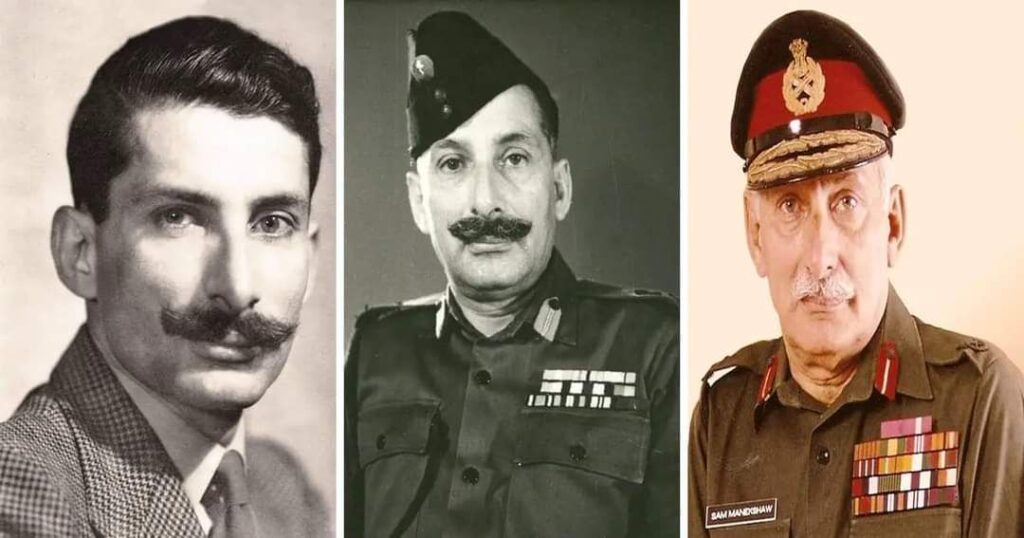
Sam Bahadur, the biopic by Meghna Gulzar, attempts to bring Field Marshal Sam Manekshaw to life, but it’s a lacklustre effort that falls flat. Watching his interviews or listening to audio recordings would have been a more engaging tribute.
Yes, the movie falls flatter than a pancake, lacking the cinematic excellence needed to do justice to this real-life hero’s valour and contributions. The screenplay and execution, akin to a deflated balloon at a celebration, fail to capture the essence of his remarkable journey. It’s almost as if the scriptwriters were aiming for a snooze fest rather than a compelling tribute to the national icon.
Furthermore, the core of the narrative hinges on the war sequences. Whether lifted from dusty archives in mere snippets or presented without leaving a discernible impact, these scenes fail to contribute meaningfully to the overall theme.
The movie adopts a docudrama-like tempo, punctuated by sporadic witty moments that aim to reflect the essence of Sam’s character. Unfortunately, this approach falls short of creating a consistently engaging experience, leaving viewers yearning for a more dynamic and compelling storytelling rhythm.
Vicky Kaushal nails the postures but overdoses on drama in dialogue delivery, occasionally channeling Dev Anand – a peculiar choice. His characterization is more external that misses out on the depth. The actor who moved everyone of us with Sardar Udham, stays put on the periphery. Fatima Sana Sheikh’s portrayal of Indira Gandhi lacks authenticity, bordering on the amateurish. Most of the actors in the movie come and go unnoticed. In the midst of the forgettable portrayals on reel, one can’t help but salute the vibrant spirit of the real Manekshaw.
Talking about my generation- having grown up inspired by the valour and vibrancy of Manekshaw, listening to his words on the radio and later on TV, the movie proves to be a disheartening disappointment. _____ Sanjiva Sahai
INDIAN CRICKET LEGACY – KAPIL DEV HANDING OVER BATON TO HARDIK PANDYA
By Sunil Sarpal
Hardik Pandya Kapil Dev
When cricket is discussed on any forum, it is impossible to overlook the name of Kapil Dev, such is his indelible aura and standing in Indian cricket. He was the original captain cool to have lifted one-dayer trophy in 1983 at Lords, England. On way to winning the trophy, a number of players contributed significantly but Kapil’s 175 against Zimbabwe was the stand out performance.
Kapil Dev in his hey days was supremely fit and athletically built all-rounder. He was known for his banana out-swing for right hand batsman. It foxed the batsman by the curve it generated. Kapil could also generate height from the wicket to unsettle the batsman. He was India’s wrecker-in-chief and the lone hope in fast bowling. Apart from bowling, he was a reliable batsman too. He was in the mold of a genuine all-rounder for India. Being supremely fit, he never missed a match due to injury in his entire career. In his illustrious career, he played some of the memorable innings with bat to bail out India from the difficult and ignominous situations.
On the other hand, Hardik Pandya is a present day all-rounder in the making. Will he fit into the bill of Kapil Dev is a million dollar question ? India’s hopes do not rest on Pandya’s shoulders, as was the case with Kapil.
Pandya is an attacking batsman with the ability to hit sixes at will. Pandya is a modern-day batsman, unlike Kapil whose aggression was restraint in nature. Pandya’s medium pace bowling is not as lethal as was the case with Kapil. India could rely upon Kapil as a front line bowler whereas Pandya always comes in the slot as fifth bowler in one-dayers variety. In case of Pandya, he carries the reputation of being tagged as injury prone. First, he had back injury which kept him away from active cricket and now he twisted his ankle in ICC trophy.
If an assessment is made between Kapil and Pandya in terms of physicality, Kapil was streets ahead in comparison with Pandya. At times, some kind of fatigue was visible on his face when bowling long spells or in humid conditions.
Both Kapil and Pandya played the game of cricket in different eras. Pandya is the all-rounder in the making in modern cricket. His slam bang batting is more suited to T-20 format.
Pandya should not show much athletic skills on the field which results in his succumbing to injury frequently.. He needs to preserve his energy so that whenever is called upon to bowl, he is able to deliver the goods.
In batting too, Pandya relies heavily on airy-fairy shots. He need not indulge in high-risk shots. He needs to curb his instincts to hit every ball over the ropes. Pandya should evolve his batting in such a manner so that more often he plays cricketing ground shots and lift the ball when it falls in his zone. Pandya’s intent is to slog and not to bat in restrained manner.
Pandya is still to establish himself as a reliable and genuine all-rounder. A long way forward but he should guard against his fragile frame much more seriously.
In a recent development, Hardik Pandya has been bestowed with the responsibility to lead Mumbai Indians IPL franchise. He will replace Rohit Sharma under whose leadership the Mumbai Indians have won the IPL five times. Rohit’s form with the bat has gone down a few notches, hence, this change in leadership. Hardik led the newly formed Gujarat Titans in the last IPL and won a trophy for them. Hardik’s rise in stature will open new avenues for him to become India captain in the future.
Animal – Blood and Gore!
by Neelam Mansingh
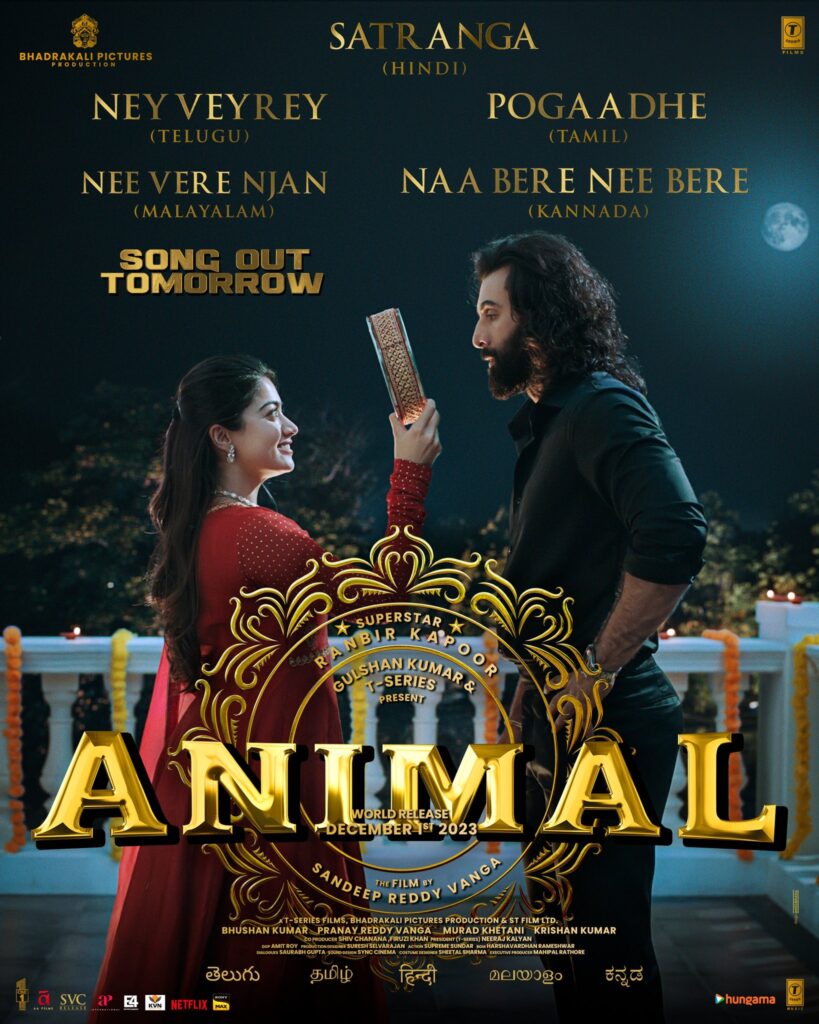
Saw Animal last night . The film stars Ranbir Kapoor, alongside Anil Kapoor, Bobby Deol, Rashmika Mandanna and Tripti Dimri. It’s a Blood and Gore assault! Daddy is emotionally negligible so son goes berserk . A psychopath who desperately needs help but also seems beyond help . I was wondering when the law and order machinery will enter the cinematic screen . An alternate world where violence and savagery without consequences exists and proliferates . The women are spirited but their agency gets demolished as the Protagonist calls the shots ( pun intended ) the father not loveing his son syndrome becomes demonic , and the father, Anil Kapur, wimps his way looking bewildered , a linear performance without nuance ! . Ranbir , Ranvijaya’s misogyny despite its repulsion manages to make it watchable . The crowd clapping at cringe moments made me wonder at the new narratives in cinema . Did I like the film ? I am not sure if I can use terms liked or disliked . Am ambivalent about its intent and purpose ? Hell no ! The director is not Tarantino! Violence reached its precipice and the Neanderthal Alpha pitch is many decibels too high ! Ranbir triumphs in terms of acting chops and manages empathy, moments that make us feel his angst . Its box office bonanza augers a danger sign for society at large . Pulp fiction is a genre that can be considered exciting but this bloodied and bludgeon me .
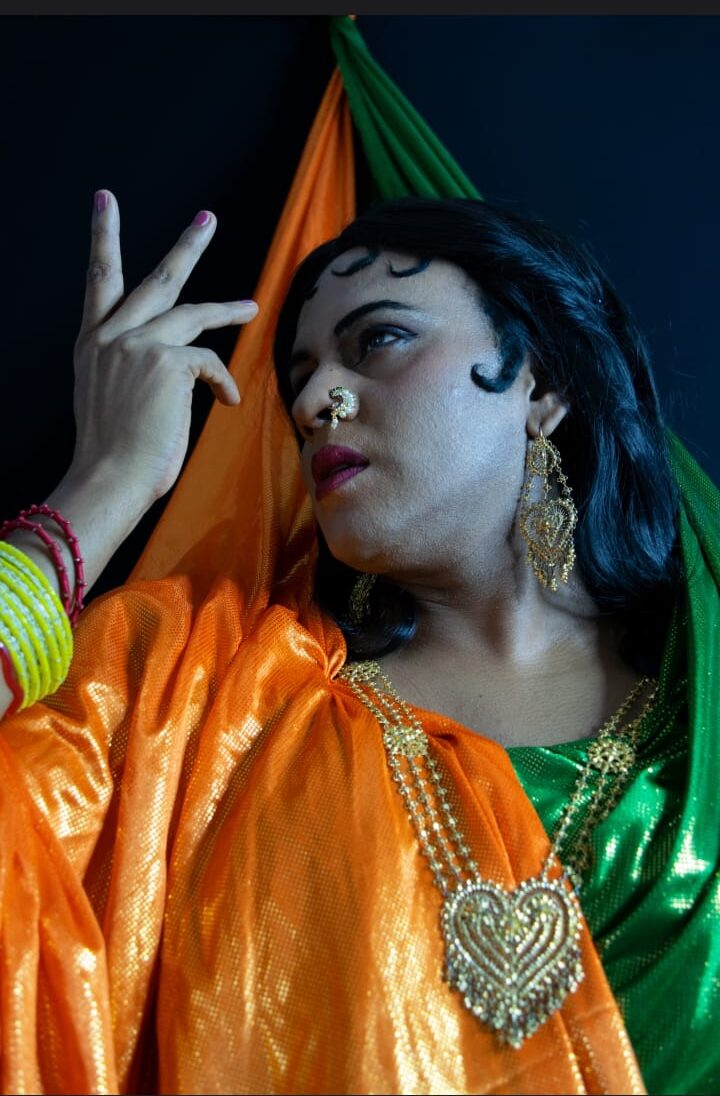
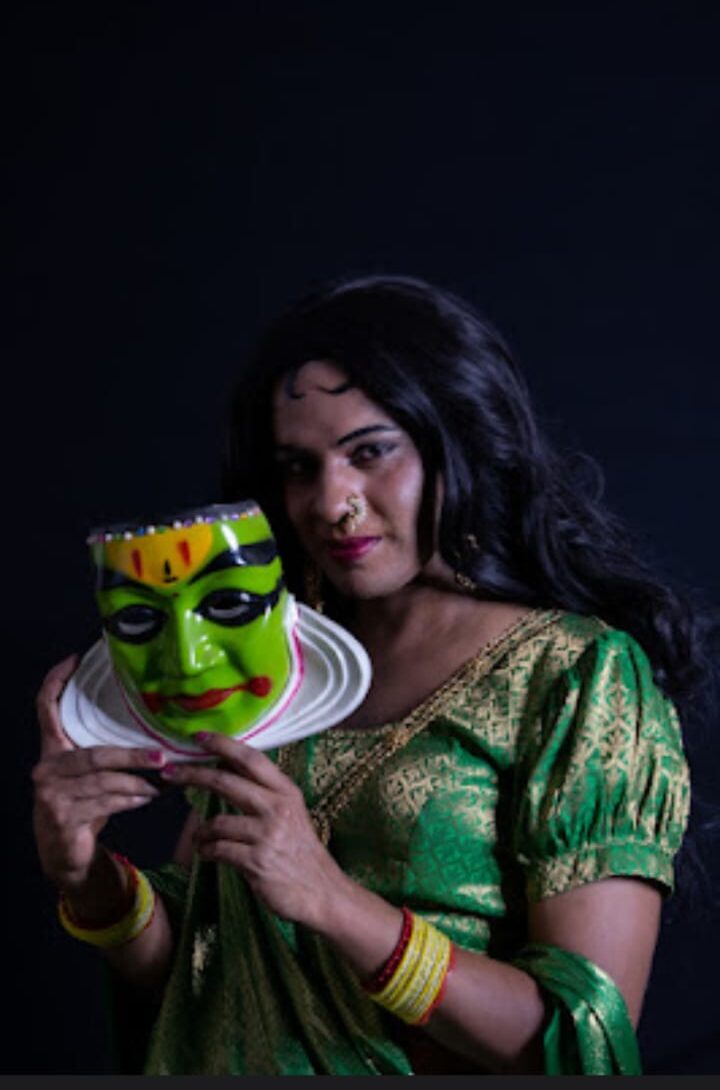
Voicing Gender Fluidity
Maharashtra Sanskritik Sandhya at IIC
A review by Manohar Khushalani First Published in IIC Diary
Maharashtra Sanskritik Sandhya, is an annual feature at IIC. This year, they presented dramatized readings, Beyond Gender, on LGBTQ communities, from two plays: Satish Alekar’s ‘Begum Barve’ & Mahesh Dattani’s ‘Seven Steps Around the Fire’. It was brilliantly and imaginatively directed by Sohaila Kapur, who has a knack for choosing very powerful and relevant themes . Six actors read the two plays. The event began with a mesmerising dance by Kaustav Ghosh, doing the role of Begum Barve, the female impersonator. The performance was also interspersed with carefully curated soulful marathi music played in the background.
Begum Barve, the Marathi musical, features a quartet of characters: Begum Barve, an exploitative employer, Shyamrao, and two clerks, Jawdekar and Bawdekar, who, trapped in a life of penury and prejudice, use their caprices as an escape from it. In the selected excerpt for performance, Begum Barve and Jawdekar celebrate a fictitious pregnancy during a baby shower, helping Barve to fantasize that (s)he could conceive. The scene ends in his humiliation, Shyamrao strips Barve off his fantasy and robes and scorning his manhood. The script explores the intertwining of fantasies and reality through the creation of a female fantasy character, Nalawadebai, bridging the impersonator’s male identity and the clerk’s desire for a traditional family life. This complex narrative challenge’s conventional storytelling, weaving a tapestry of gendered social meanings and re-evaluating contemporary perceptions of womanhood.
Seven Steps Around the Fire, depicts the miserable plight of eunuchs who make a living performing at marriages and child births. A eunuch is murdered at her wedding. Her friend, Anarkali, is arrested without proof by the SP, Suresh Rao. His wife Uma, a journalist, who is also the daughter of the DCP, decides to catch the culprit through investigative reporting. The performance was just an excerpt where Uma is interviewing the imprisoned Anarkali.
Although the murderer is known, the police traps Anarkali to protect the actual criminal who is a powerful person. The subaltern hijaras are too scared to speak. Anarkali says, “They will kill me even if I tell the truth. If I don’t tell the truth, I will die in jail.” The dramatist shows how the murder of Kamla has terrified other hijaras that they cannot reveal the truth and cannot get justice for the dead soul. Anarkali says, “One hijra less in this world does not matter to your husband.”. In self-defense, Anarkali reminds Uma, that she treated the deceased Kamla as her sister. Uma realises the bond of love among the hijaras is even greater, because they are isolated from society.
The event was introduced by Suhas Borkar, Trustee IIC. It was concluded rather dramatically by Kaushal Kumar, a fine arts university professor with an intriguing body painting improvisation involving audience participation.
Gavaskar’s picks of all time great cricketers
By Sunil Sarpal
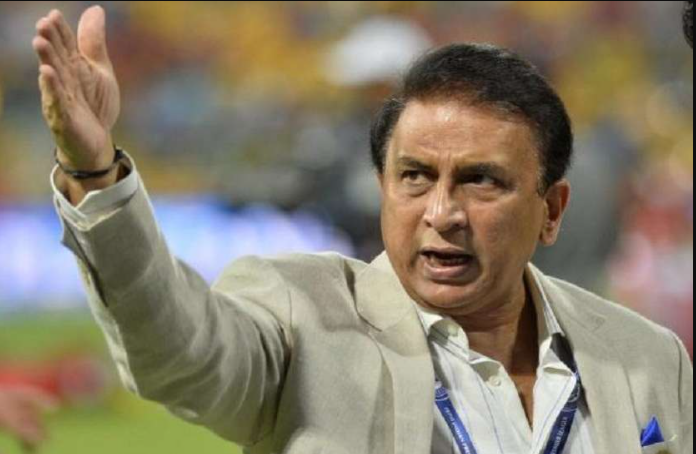
Sunil Manohar Gavaskar the last word in cricket
India is a cricket crazy country and cricket is considered a religion here. The cricket stars are idolized and worshipped in India. Stadia chant the names of Sachin, Mahi and Virat whenever they appear on the ground. People just go crazy to witness the exploits of their stars. The followers derive some kind of energy to live their lives watching their idols.
Recently, in an interview, Sunil Gavaskar was asked to name three players who impressed him the most in life. Gavaskar named the following players :-
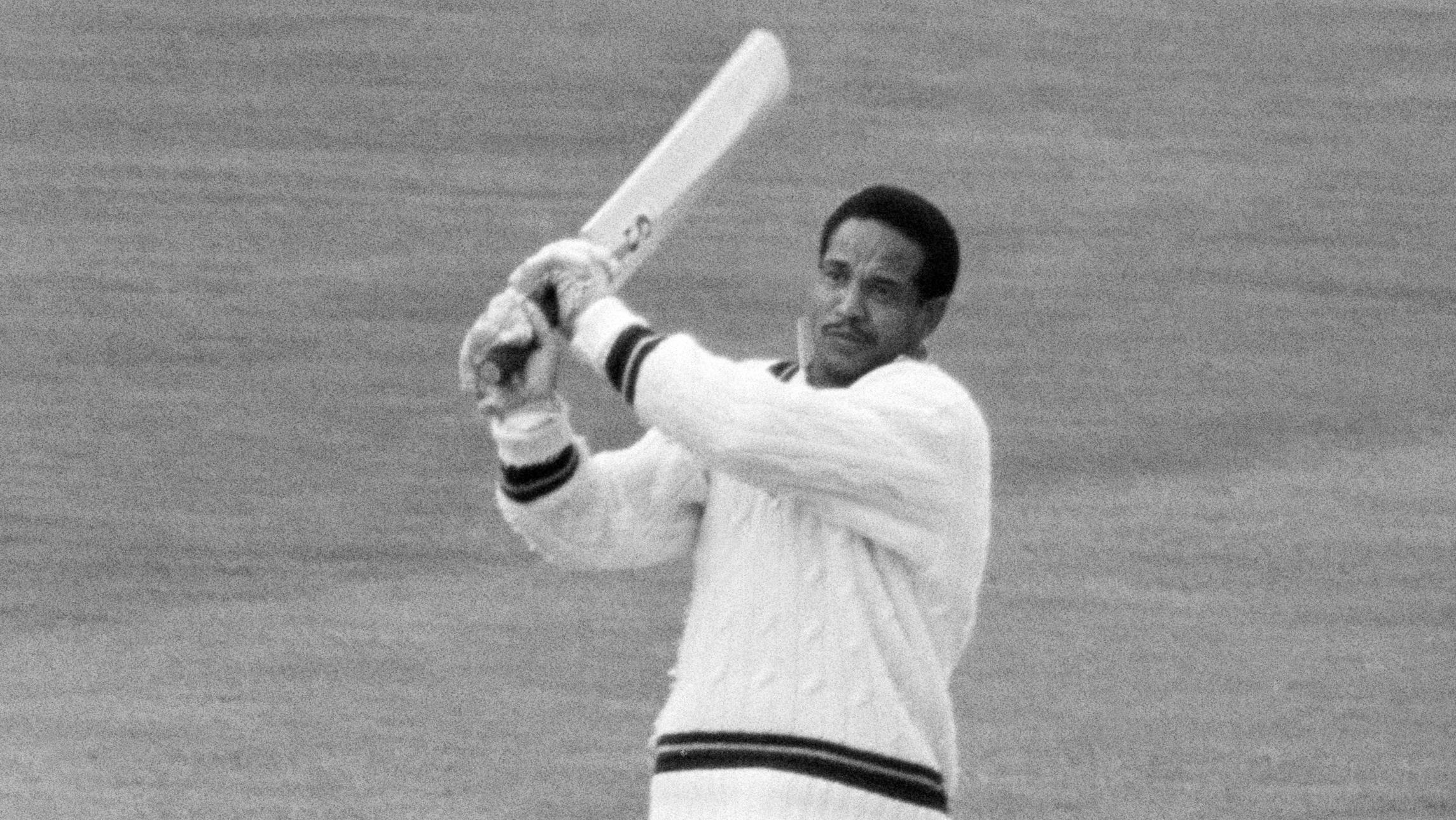
Sir Garfield Sobers
1) According to Gavaskar, first comes Sir Garfield Sobers. A SouthPaw, he could bowl spin and pace in equal measure. He could don the gloves behind the stumps too. Sobers was exceptionally athletic hence a smart fielder. He was a treat to watch with the bat.
2) Gavaskar rated GR Vishwanath as second in ranking. Vishu during his playing days scored centuries on difficult wickets. Gavaskar rates Vishu a much better batsman than him.
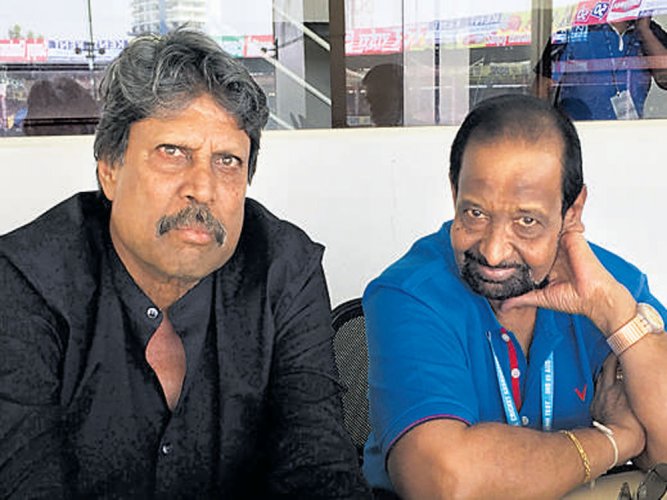
Kapil Dev and GR Vishwanath
3) Third in the ranking is Kapil Dev. Gavaskar opines that Kapil was a genuine swing bowler and could win matches of his own single handedly. He was a talented batsman too in attacking mode. He could win matches as a batsman too. Kapil was an extraordinary athlete and his fielding was of a very high class. In his illustrious career, he never missed a match due to injury. He was the India captain in 1983 when India lifted the One- day-cup.
Sunil Manohar Gavaskar has been a street smart cricketer, commentator and expert. His views are unbiased and should not be taken in a lighter vein. His cricketing assessment and class is unparalleled. He is an astute student of the game of cricket and a cricketing school unto himself.
This interview suggests that these three past cricketers need be given more responsibility either to run the cricket academies or impart their valuable knowledge to budding cricketers thru lectures etc.
One can take a cue from the Dennis Lillee run MRF Pace Academy. This academy trains fast bowlers under the watchful eye of Aussie legend Dennis Lillee. MRF has produced a record number of International bowlers.
Recently, Afghanistan has performed exceptionally well in the just concluded ICC Trophy. Afghanistan has been able to do so because India’s ex cricketer Ajay Jadeja is their coach.
The above three players were Gavaskar’s picks. What are yours? Post your picks in the comment box below.